HOME - Deflamenco.com   search
17th May 2012
map shopping cart help


Compañía de Mami y Hiro

'Del sol naciente al compás de Jerez'

Sunday, Novemeber 6th, 2005. 9:00pm.Teatro Villamarta, Jerez de la Frontera (Cádiz)

 
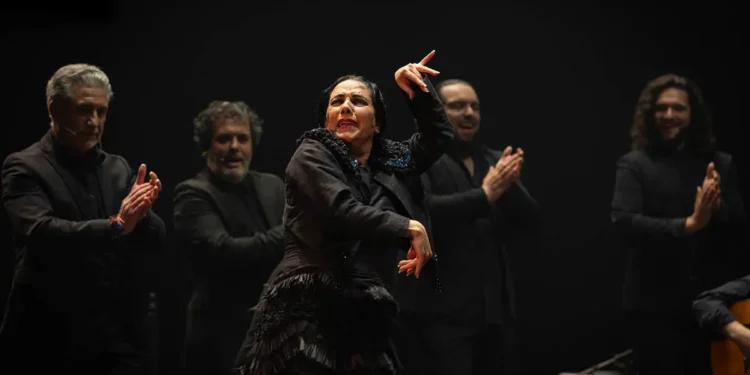
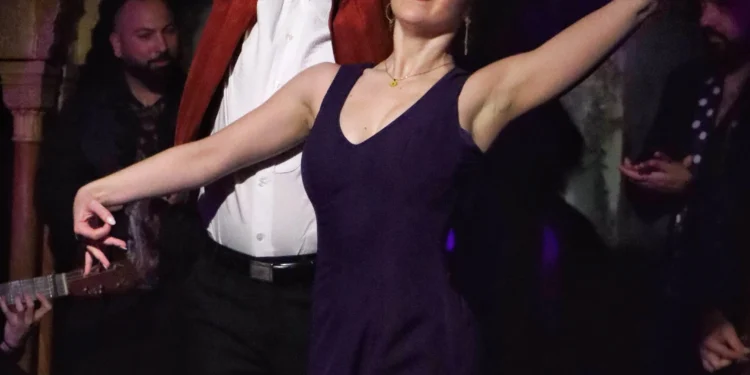
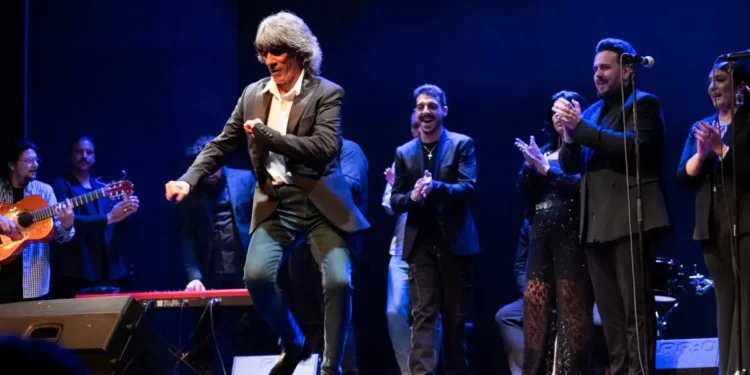
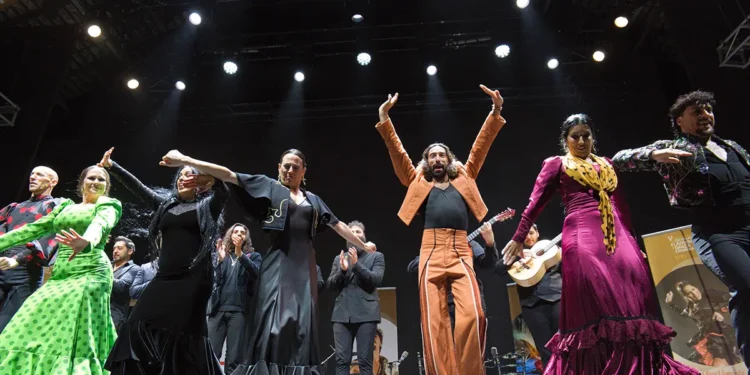
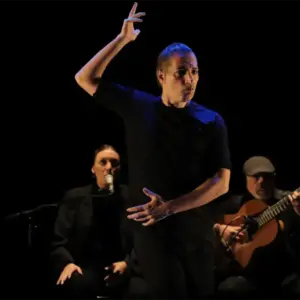
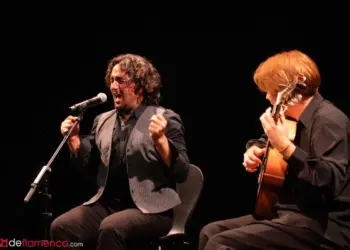
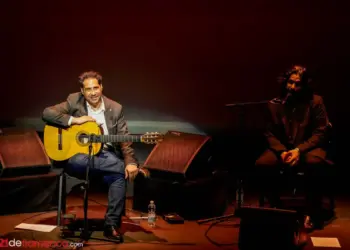
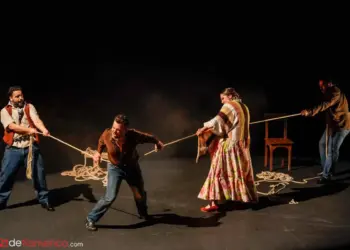
Dance: Mayumi Kagita “Mami”, Hiroki Sato “Hiro”, Yoshio Yano, Mamiko Kashiwa, Yumi Gon, Yoko Azuma, Tomoko Kudo, Miwake Tada, Eiko Takagi, Sanshiro Sueki, Nobuyushi Nakane. Cante: Antonio Malena, Mateo Soleá, Manuel Malena. Guitar: Santiago Moreno, Malena Hijo, Curro de Jerez. Palmas: Luis de la Tota, Violín: Alexis Lefevre. Choreographers and directors: Hiroki Sato “Hiro” and Mayumi Kagita “Mami”. Artistic director: Antonio Malena.

Text: Estela Zatania
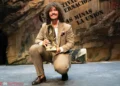
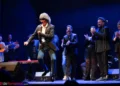
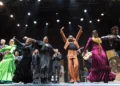
Photos: Compañía de Mami y Hiro

“It’s admirable”. That dreaded phrase we all tend to apply in specific situations. Like when a Japanese company devotes an overwhelming amount of time, energy, resources and the best intentions in the world to a mission as worthy as it is impossible.

From the start it was inevitable that a Japanese flamenco dance company would inspire more curiosity than authentic interest among the somewhat jaded flamenco fans of Jerez, but between it being Sunday evening and soccer on TV as well, far more than half the seats at the Villamarta theater were empty, the biggest loser being the Association of Relatives of Alzheimer’s Victims “La Merced” in whose benefit the performance was given.

Free-wheeling inspiration holds the attention, the rehearsed product quickly becomes tiresome

The show titled “Del Sol Naciente al Compás de Jerez” premiered in Japan in 2004 obtaining first prize in the category of dance at the Festival Artístico organized by the Japanese Cultural Ministry. It is a dignified, carefully-constructed show aside from the flaws any Spanish company might have, and which this presentation has. This sort of work might be classified as “global flamenco”, not because of any fusion contained therein, because the content is strictly traditional, but rather because it presents a style born of dance schools and rehearsal studios. You don’t need to be a foreigner to lack real-life experience, and in that sense it makes no difference whether you were formed in Madrid or Tokyo.

The opening number is siguiriyas danced by Mayumi, “Mami”, with castanets and bata de cola, two accessories of theatrical flamenco in danger of extinction. Antonio Malena, singer and artistic director, keeps things in order and adds authenticity with his cante. The dancer has an astonishingly flexible spinal column which allows her to carry out surprising contortions that are out of place. Silences are lacking. Anzonini del Puerto got it right when he said that the most difficult thing in flamenco dance is standing still.

The soleá por bulería of Hiroki, the lead male dancer, is far more convincing. He clearly admires Farruquito and his compás tastes real. He has enough self-confidence to smile at the audience – few male dancers can do so without appearing ridiculous – and there’s a certain Andalusian projection.

Next up, a respectable cante solo of taranto in the voice of Mateo Soleá, and from this point on it’s the cante and compás of those who carry it that give form to some run-of-the-mill dances and rather shoddy choreography. The male dancers come off quite a bit better than the women, but in actual fact, we’ve seen Spanish groups do worse.

Anzonini del Puerto got it right when he said that the most difficult thing in flamenco dance is standing still

There’s a sort of fiesta finale halfway through, and an excessively long ‘serranas’ danced by Hiro, less impressive than his opening dance. Free-wheeling inspiration holds the attention, the rehearsed product quickly becomes tiresome. Speed-ups and sudden stops and lots of histrionics mar a dance that ends in the traditional manner with the cante of María Borrico.

Tonás and siguiriyas, and the Andalusian cadence begs for a respite that never arrives. Fandango por soleá, that variation on fandangos which became so popular towards the end of the “cante bonito” era and was so unfairly sidelined thereafter, is effectively danced by Mami despite some gymnastics. The lady offers a Japanese take on flamenco that needn’t cause any conflict if wisely administered.

After two hours we arrive at the closing number which is a half-hearted representation of a wedding with the bride and groom dressed in black and lots of ‘alborea’, the traditional wedding song.

A very “admirable” show.


Store in Madrid
c/ Moratín, 6
28014 Madrid
+34 912987045
Contact - Advertising - Subscribe
deflamenco en tu email
pago seguro. Tienda on-line flamenco
 
© 2003 Tintes Flamencos S. L. Todos los derechos reservados - CIF - B83546655.
Included in the Official Registry of mail-order businesses (NEVA) 2003/0337/13/28/4/V