Flamenco on Fire 2026 Flamenco on Fire 2026
domingo, 14 junio 2026
  • [Soporte, publicidad]
  • [Sobre deflamenco]
  • [Faq]
  • [Tienda/Shop]
Revista DeFlamenco.com
Tablao Flamenco 1911 - Madrid
  • REVISTA
    • Noticias de Flamenco
    • Reseñas
    • Entrevistas
    • Especiales
    • Festival de Jerez
    • Opinión
    • De tablao en tablao
    • Moda flamenca
    • Más flamenco
  • AGENDA
    • Flamenco en Madrid
    • Flamenco en Barcelona
    • Flamenco en Andalucía
      • Flamenco en Sevilla
      • Flamenco en Jerez & Cádiz
      • Flamenco en Málaga
      • Flamenco en Córdoba
      • Flamenco en Jaén
      • Flamenco en Huelva
      • Flamenco en Almería
      • Flamenco en Granada
    • Flamenco en España (resto)
      • Flamenco en Aragón
      • Flamenco en Asturias
      • Flamenco en Baleares
      • Flamenco en Canarias
      • Flamenco en Cantabria
      • Flamenco en Castilla la Mancha
      • Flamenco en Castilla-León
      • Flamenco en Ceuta / Melilla
      • Flamenco en Extremadura
      • Flamenco en Galicia
      • Flamenco en La Rioja (Logroño)
      • Flamenco en Murcia
      • Flamenco en Pamplona
      • Flamenco en el País Vasco
      • Flamenco en Valencia
    • Flamenco en Europa
      • Flamenco en Francia
      • Flamenco en Alemania
      • Flamenco en Países Bajos & Bélgica
      • Flamenco en Italia
      • Flamenco en Reino Unido
      • Flamenco en Portugal
      • Flamenco en Suiza
      • Flamenco en Resto de Europa
    • Flamenco en América
      • Flamenco en Canadá
      • Flamenco en Estados Unidos
      • Flamencos en México / Centro América
      • Flamenco en América del Sur
    • Flamenco en el Mundo
      • Flamenco en África
      • Flamenco en Australia
      • Flamenco en Japón & Asia
    • Flamencos EN GIRANew
  • CURSOS
    • Cursos Flamenco online
    • Calendario Cursos de Flamenco (general)
    • Cursos Flamenco en Sevilla
    • Cursos de Flamenco en Jerez & Cádiz
    • Cursos Flamenco en Madrid
    • Cursos flamenco en Barcelona
    • Cursos Flamenco en Málaga
  • ARTISTAS
    • Cantaores & cantaoras
    • Guitarristas
    • Bailaores & bailaoras
    • Otros/Grupos
    • Compañias
    • Espectáculos
    • Management
  • MEDIA
    • Twitch – Flamenco live
    • Fotografías
    • Videos
  • GUÍA DE FLAMENCO
    • Escuelas y estudios de Flamenco
    • Tablaos flamencos
    • Teatros, Salas de Concierto
    • Peñas de Flamenco
    • Bares Flamencos, restaurantes
    • Moda Flamenca, complementos
    • Tiendas de Flamenco
    • Guitarrerias, luthiers
  • CATÁLOGO
    • Cds de flamenco
    • Libros de flamenco
    • Dvds de flamenco
    • Vinilos de Flamenco
  • Tablaos
    • Noticias
    • Madrid
      • Donde ver buen flamenco
      • Cardamomo
      • Tablao Flamenco 1911
      • Tablao flamenco La Carmela
      • Tablao Las Carboneras
      • Tablao de la Villa
      • Las Tablas Flamenco Madrid
      • Centro Cultural Flamenco de Madrid
      • Café Ziryab
      • Corral de la Moreria
    • Barcelona
      • Tablao Flamenco Cordobes
      • El Duende by Tablao Cordobes
    • Granada
    • Sevilla
  • [ENGLISH]
    • News
    • Show Reviews
    • Interviews
    • Special Reports
    • Flamenco Shows in MadridNew
      • Cardamomo Flamenco Madrid
      • Tablao 1911
      • Las Tablas Flamenco Madrid
      • Centro Cultural Flamenco de Madrid
      • Corral de la Moreria
      • Café Ziryab
    • Flamenco Shows in Barcelona
      • Tablao Flamenco Cordobes
      • El Duende by Tablao Cordobes
    • Special Festival de JerezNew
    • Flamenco fashion
    • More flamenco
    • Opinion
    • My Flamenco Year
  • Publicidad
  • –
No Result
View All Result
  • REVISTA
    • Noticias de Flamenco
    • Reseñas
    • Entrevistas
    • Especiales
    • Festival de Jerez
    • Opinión
    • De tablao en tablao
    • Moda flamenca
    • Más flamenco
  • AGENDA
    • Flamenco en Madrid
    • Flamenco en Barcelona
    • Flamenco en Andalucía
      • Flamenco en Sevilla
      • Flamenco en Jerez & Cádiz
      • Flamenco en Málaga
      • Flamenco en Córdoba
      • Flamenco en Jaén
      • Flamenco en Huelva
      • Flamenco en Almería
      • Flamenco en Granada
    • Flamenco en España (resto)
      • Flamenco en Aragón
      • Flamenco en Asturias
      • Flamenco en Baleares
      • Flamenco en Canarias
      • Flamenco en Cantabria
      • Flamenco en Castilla la Mancha
      • Flamenco en Castilla-León
      • Flamenco en Ceuta / Melilla
      • Flamenco en Extremadura
      • Flamenco en Galicia
      • Flamenco en La Rioja (Logroño)
      • Flamenco en Murcia
      • Flamenco en Pamplona
      • Flamenco en el País Vasco
      • Flamenco en Valencia
    • Flamenco en Europa
      • Flamenco en Francia
      • Flamenco en Alemania
      • Flamenco en Países Bajos & Bélgica
      • Flamenco en Italia
      • Flamenco en Reino Unido
      • Flamenco en Portugal
      • Flamenco en Suiza
      • Flamenco en Resto de Europa
    • Flamenco en América
      • Flamenco en Canadá
      • Flamenco en Estados Unidos
      • Flamencos en México / Centro América
      • Flamenco en América del Sur
    • Flamenco en el Mundo
      • Flamenco en África
      • Flamenco en Australia
      • Flamenco en Japón & Asia
    • Flamencos EN GIRANew
  • CURSOS
    • Cursos Flamenco online
    • Calendario Cursos de Flamenco (general)
    • Cursos Flamenco en Sevilla
    • Cursos de Flamenco en Jerez & Cádiz
    • Cursos Flamenco en Madrid
    • Cursos flamenco en Barcelona
    • Cursos Flamenco en Málaga
  • ARTISTAS
    • Cantaores & cantaoras
    • Guitarristas
    • Bailaores & bailaoras
    • Otros/Grupos
    • Compañias
    • Espectáculos
    • Management
  • MEDIA
    • Twitch – Flamenco live
    • Fotografías
    • Videos
  • GUÍA DE FLAMENCO
    • Escuelas y estudios de Flamenco
    • Tablaos flamencos
    • Teatros, Salas de Concierto
    • Peñas de Flamenco
    • Bares Flamencos, restaurantes
    • Moda Flamenca, complementos
    • Tiendas de Flamenco
    • Guitarrerias, luthiers
  • CATÁLOGO
    • Cds de flamenco
    • Libros de flamenco
    • Dvds de flamenco
    • Vinilos de Flamenco
  • Tablaos
    • Noticias
    • Madrid
      • Donde ver buen flamenco
      • Cardamomo
      • Tablao Flamenco 1911
      • Tablao flamenco La Carmela
      • Tablao Las Carboneras
      • Tablao de la Villa
      • Las Tablas Flamenco Madrid
      • Centro Cultural Flamenco de Madrid
      • Café Ziryab
      • Corral de la Moreria
    • Barcelona
      • Tablao Flamenco Cordobes
      • El Duende by Tablao Cordobes
    • Granada
    • Sevilla
  • [ENGLISH]
    • News
    • Show Reviews
    • Interviews
    • Special Reports
    • Flamenco Shows in MadridNew
      • Cardamomo Flamenco Madrid
      • Tablao 1911
      • Las Tablas Flamenco Madrid
      • Centro Cultural Flamenco de Madrid
      • Corral de la Moreria
      • Café Ziryab
    • Flamenco Shows in Barcelona
      • Tablao Flamenco Cordobes
      • El Duende by Tablao Cordobes
    • Special Festival de JerezNew
    • Flamenco fashion
    • More flamenco
    • Opinion
    • My Flamenco Year
  • Publicidad
  • –
No Result
View All Result
Revista DeFlamenco.com
No Result
View All Result
Home Revista Reseñas

Thirty-fifth Reunión de Cante Jondo de La Puebla de Cazalla

by DeFlamenco
14 07 2003
in Reseñas, show-reviews
Comparte en FacebookCanal TelegramComparte en Twitter


Thirty-fifth Reunión
de Cante Jondo de La Puebla de Cazalla

Saturday, July 12th,
2003, 11:00 p.m., La Puebla de Cazalla (Seville)
Other
comments

Cante: Rubito Hijo, Encarnita Anillo,
Felipe Scapachini, Juan Antonio Zarzuela, José Menese,
Diego Clavel, Juana la del Pipa, Manuel Tañé.
Dance: Antonio el Pipa and his group.
Guitar: Antonio Carrión, Pascual de Lorca, Fernando
Rodríguez, José Ignacio Franco, Juan Moneo.

Of the many summer flamenco festivals, the one held in
La Puebla de Cazalla stands apart from all the rest. Ever
since the first edition in 1967, the organizers have remained
faithful to the rigorous standards established by local poet
and painter, Francisco Moreno Galván, and on Saturday,
July 12th, 2003, each one of the participating singers expressed
respect for the prestigious event.

Rubito Hijo
Felipe Scapachini

The setting for the festival, as always, ideal and impeccable.
Just two minutes from the town center, you find yourself in
the wide open Seville countryside, and to pass through the
massive ancient entrance to the Fuenlonguilla hacienda, is
to enter another time frame. The poetic touch of fresh rosemary
branches scattered about the ground is a declaration of intent
as well as an invitation to partake, with respect and dignity,
of this unique event.

The poetic touch
of fresh rosemary branches scattered about the ground is a
declaration of intent as well as an invitation to partake
of this unique event.

Diego Clavel with Antonio Carrión

Nevertheless, the artistic level of other years was not achieved,
and the bill of artists appeared to have been put together
with an eye to quantity rather than quality. Aside from local
veteran singers José Menese and Diego Clavel who jointly
represent the small but rich flamenco nucleus of La Puebla,
there were no big names.

The evening began, as is customary at this festival which
prefers to be called a «reunión», at eleven
p.m. sharp with a guitar solo, on this occasion by Antonio
Carrión, with bulerías. With the backup of two
palmeros, the guitarist of choice for veteran singers played
a well-constructed assortment of traditional and original
falsetas with verve and conviction. Departing from the scheduled
program at the request of José Menese who wanted to
sing something so that his grandchildren could see him without
having to wait until four in the morning, the cantaor offered
some discreet guajiras, mixing short verses and 'décimas',
followed by the singer Rubito Hijo. With Fernando Rodríguez
accompanying, the 22-year-old sang tientos tangos, marianas,
siguiriyas and alegrías with a depth of knowledge one
would normally expect from someone older, the occasional bow
to Camarón, and enthusiastic audience response.

The guitarist of choice for
veteran singers played a
well-constructed assortment of falsetas with verve and conviction.

The
singer Encarnita Anillo from Cádiz was the first disappointment
of the night. In 2001 the young woman offered her splendid
festive cantes within the context of a group from Cádiz,
and that small triumph should have been left at that. With
the clipped dry Jerez sound of guitarist José Ignacio
Franco, the cantaora made an admirable effort with alegrías
and malagueñas, dedicating the latter to an individual
in the first row: «a friend of mine who sings very very
well, called Miguel Poveda», but her beauty was more
appealing than her singing. Following that she opted for cantes
more in line with her specific talents: tientos tasting strongly
of Cádiz led into some modern tangos, and then standing
at the mike, a set of popular songs por bulería that
she didn't quite transform into flamenco.


Antonio El Pipa

Diego Clavel closed the first part accompanied by Antonio
Carrión. This maestro of the carefully contained primal
scream sang the polo (the cantaores of La Puebla have a particular
fondness for forgotten or ignored cantes), followed by tientos,
a form Clavel has always known how to coddle and exploit to
the fullest, ending in the traditional fashion with just a
short tango closing. Soleá por bulería and petenera
and the master of ceremonies announces a ten-minute intermission.

The cantaores of La Puebla
have a particular fondness for forgotten or ignored cantes.

The second part opens with a guitar solo, this time by José
Ignacio Franco, a regular in Paco Cepero's sextet. Bulerías
with all the flavor of his hometown with irresistible compás
that delights the audience and makes an apt prologue for the
dancing to follow. «Ooooh, now that's really a sight
for sore eyes!» exclaims a plump lady sitting just behind
when Antonio el Pipa rushes on stage wearing white and a broad
smile, his long arms fully extended. «I don't believe
it…Picasso's white dove just came in for a landing»…this
time it was a man's voice. And in fact, his appearance made
quite an impact. Antonio el Pipa's artistic personality has
been honed on large stages, and he projected far beyond the
confines of the discreet patio. Soleá and alegrías.
Despite a tinny sound from her clip-on mike, Juana la del
Pipa delights the audience with her gravel voice and good-natured
humor, and the extraordinary chemistry at work between her
and her nephew is a joy to contemplate. The closing fiesta
number is a strong jolt of Jerez, and El Pipa drags out Miguel
Poveda who defends himself well with bulerías. It's
strange how little-known this young Catalonian cantaor is
in these parts considering his three solo records and a decade
of intense professional activity.


José Menese with Antonio Carrión

Juana la del Pipa delights
the audience with
her gravel voice and good-natured humor

Next up, Antonio Carrión returns to accompany the
Cádiz singer Felipe Scapachini with his cante tasting
of Aurelio, Manolo Vargas, Pericón and especially Caracol.
Alegrías played in C position, 'the way it's supposed
to be' (just ask them down in Cádiz), bulerías
with his hand glued to his chest Caracol-style with «La
Salvaora» set to festive compás. So far so good,
but then a zambra «in memory of Manolo Caracol and my
good friend Beni de Cádiz», long and ambling,
doesn't quite come together and seems a little out of place.
A lot out of place.

The disappointment became greater with young Juan Antonio
Zarzuela (José Ignacio Franco accompanying), a protegè
of Menese's, who had more wardrobe, hairdo and personality
than singing ability. In an unfortunate inversion of the Spanish
saying «If it's brief as well as good, than doubly good»,
the young man sang a very long set…alegrías, malagueña,
soleá, fandangos and bulerías, asking for requests
between cantes like a cocktail lounge singer. Fortunately
we still had to hear from José Menese. It's been a
long time since those heady years when the singer was the
youthful prodigy of cante flamenco – now he is quite the patriarch
and sings and behaves accordingly. In last year's edition
of the festival he had just come out of rehabilitation and
his touching performance stood on pure nostalgia and his town's
great affection. On this night however, he sings like in the
good ol' days: caracoles, peteneras, soleá and siguiriya,
closing out the latter with the magnificent interpretation
of a dramatic Nitri style with its major-key flirtation. Impressive.

Chill country air has invaded
the patio, but few move
from their seats because the round of 'tonás' is yet
to come.

Another fiesta ending, with the extra added attraction of
guitarist Antonio Carrión's singing. Chill country
air has invaded the patio, but few move from their seats because
the round of 'tonás' is yet to come. The five male
singers nobly rise to the occasion, but Diego Clavel who sings
last wins the friendly face-off with beautiful, seldom-heard
styles. After all is said and done we return home with a good
feeling and better memories of this «reunión de
cante jondo».


Miguel Poveda


Text & Photos: Estela
Zatania


Tablao Flamenco 1911 Tablao Flamenco 1911


Thirty-fifth Reunión
de Cante Jondo de La Puebla de Cazalla

Saturday, July 12th,
2003, 11:00 p.m., La Puebla de Cazalla (Seville)
Other
comments

Cante: Rubito Hijo, Encarnita Anillo,
Felipe Scapachini, Juan Antonio Zarzuela, José Menese,
Diego Clavel, Juana la del Pipa, Manuel Tañé.
Dance: Antonio el Pipa and his group.
Guitar: Antonio Carrión, Pascual de Lorca, Fernando
Rodríguez, José Ignacio Franco, Juan Moneo.

Of the many summer flamenco festivals, the one held in
La Puebla de Cazalla stands apart from all the rest. Ever
since the first edition in 1967, the organizers have remained
faithful to the rigorous standards established by local poet
and painter, Francisco Moreno Galván, and on Saturday,
July 12th, 2003, each one of the participating singers expressed
respect for the prestigious event.

Rubito Hijo
Felipe Scapachini

The setting for the festival, as always, ideal and impeccable.
Just two minutes from the town center, you find yourself in
the wide open Seville countryside, and to pass through the
massive ancient entrance to the Fuenlonguilla hacienda, is
to enter another time frame. The poetic touch of fresh rosemary
branches scattered about the ground is a declaration of intent
as well as an invitation to partake, with respect and dignity,
of this unique event.

The poetic touch
of fresh rosemary branches scattered about the ground is a
declaration of intent as well as an invitation to partake
of this unique event.

Diego Clavel with Antonio Carrión

Nevertheless, the artistic level of other years was not achieved,
and the bill of artists appeared to have been put together
with an eye to quantity rather than quality. Aside from local
veteran singers José Menese and Diego Clavel who jointly
represent the small but rich flamenco nucleus of La Puebla,
there were no big names.

The evening began, as is customary at this festival which
prefers to be called a «reunión», at eleven
p.m. sharp with a guitar solo, on this occasion by Antonio
Carrión, with bulerías. With the backup of two
palmeros, the guitarist of choice for veteran singers played
a well-constructed assortment of traditional and original
falsetas with verve and conviction. Departing from the scheduled
program at the request of José Menese who wanted to
sing something so that his grandchildren could see him without
having to wait until four in the morning, the cantaor offered
some discreet guajiras, mixing short verses and 'décimas',
followed by the singer Rubito Hijo. With Fernando Rodríguez
accompanying, the 22-year-old sang tientos tangos, marianas,
siguiriyas and alegrías with a depth of knowledge one
would normally expect from someone older, the occasional bow
to Camarón, and enthusiastic audience response.

The guitarist of choice for
veteran singers played a
well-constructed assortment of falsetas with verve and conviction.

The
singer Encarnita Anillo from Cádiz was the first disappointment
of the night. In 2001 the young woman offered her splendid
festive cantes within the context of a group from Cádiz,
and that small triumph should have been left at that. With
the clipped dry Jerez sound of guitarist José Ignacio
Franco, the cantaora made an admirable effort with alegrías
and malagueñas, dedicating the latter to an individual
in the first row: «a friend of mine who sings very very
well, called Miguel Poveda», but her beauty was more
appealing than her singing. Following that she opted for cantes
more in line with her specific talents: tientos tasting strongly
of Cádiz led into some modern tangos, and then standing
at the mike, a set of popular songs por bulería that
she didn't quite transform into flamenco.


Antonio El Pipa

Diego Clavel closed the first part accompanied by Antonio
Carrión. This maestro of the carefully contained primal
scream sang the polo (the cantaores of La Puebla have a particular
fondness for forgotten or ignored cantes), followed by tientos,
a form Clavel has always known how to coddle and exploit to
the fullest, ending in the traditional fashion with just a
short tango closing. Soleá por bulería and petenera
and the master of ceremonies announces a ten-minute intermission.

The cantaores of La Puebla
have a particular fondness for forgotten or ignored cantes.

The second part opens with a guitar solo, this time by José
Ignacio Franco, a regular in Paco Cepero's sextet. Bulerías
with all the flavor of his hometown with irresistible compás
that delights the audience and makes an apt prologue for the
dancing to follow. «Ooooh, now that's really a sight
for sore eyes!» exclaims a plump lady sitting just behind
when Antonio el Pipa rushes on stage wearing white and a broad
smile, his long arms fully extended. «I don't believe
it…Picasso's white dove just came in for a landing»…this
time it was a man's voice. And in fact, his appearance made
quite an impact. Antonio el Pipa's artistic personality has
been honed on large stages, and he projected far beyond the
confines of the discreet patio. Soleá and alegrías.
Despite a tinny sound from her clip-on mike, Juana la del
Pipa delights the audience with her gravel voice and good-natured
humor, and the extraordinary chemistry at work between her
and her nephew is a joy to contemplate. The closing fiesta
number is a strong jolt of Jerez, and El Pipa drags out Miguel
Poveda who defends himself well with bulerías. It's
strange how little-known this young Catalonian cantaor is
in these parts considering his three solo records and a decade
of intense professional activity.


José Menese with Antonio Carrión

Juana la del Pipa delights
the audience with
her gravel voice and good-natured humor

Next up, Antonio Carrión returns to accompany the
Cádiz singer Felipe Scapachini with his cante tasting
of Aurelio, Manolo Vargas, Pericón and especially Caracol.
Alegrías played in C position, 'the way it's supposed
to be' (just ask them down in Cádiz), bulerías
with his hand glued to his chest Caracol-style with «La
Salvaora» set to festive compás. So far so good,
but then a zambra «in memory of Manolo Caracol and my
good friend Beni de Cádiz», long and ambling,
doesn't quite come together and seems a little out of place.
A lot out of place.

The disappointment became greater with young Juan Antonio
Zarzuela (José Ignacio Franco accompanying), a protegè
of Menese's, who had more wardrobe, hairdo and personality
than singing ability. In an unfortunate inversion of the Spanish
saying «If it's brief as well as good, than doubly good»,
the young man sang a very long set…alegrías, malagueña,
soleá, fandangos and bulerías, asking for requests
between cantes like a cocktail lounge singer. Fortunately
we still had to hear from José Menese. It's been a
long time since those heady years when the singer was the
youthful prodigy of cante flamenco – now he is quite the patriarch
and sings and behaves accordingly. In last year's edition
of the festival he had just come out of rehabilitation and
his touching performance stood on pure nostalgia and his town's
great affection. On this night however, he sings like in the
good ol' days: caracoles, peteneras, soleá and siguiriya,
closing out the latter with the magnificent interpretation
of a dramatic Nitri style with its major-key flirtation. Impressive.

Chill country air has invaded
the patio, but few move
from their seats because the round of 'tonás' is yet
to come.

Another fiesta ending, with the extra added attraction of
guitarist Antonio Carrión's singing. Chill country
air has invaded the patio, but few move from their seats because
the round of 'tonás' is yet to come. The five male
singers nobly rise to the occasion, but Diego Clavel who sings
last wins the friendly face-off with beautiful, seldom-heard
styles. After all is said and done we return home with a good
feeling and better memories of this «reunión de
cante jondo».


Miguel Poveda


Text & Photos: Estela
Zatania


Descubre más desde Revista DeFlamenco.com

Suscríbete y recibe las últimas entradas en tu correo electrónico.

Previous Post

XXXV Reunión de Cante Jondo de La Puebla de Cazalla

Next Post

Enrique Morente, presentación 'El pequeño reloj' Conde Duque (Madrid)

Related Posts

Israel Galván, prisionero de su propio molde en ‘Sevillanas solteras’
Novedades

Israel Galván, prisionero de su propio molde en ‘Sevillanas solteras’

Reunión de Cante Jondo La Puebla de Cazalla
Noticias

Mayte Martín, Ezequiel Benítez, Paqui Ríos, Rubito Hijo y Fuensanta La Moneta encabezan la LVII Reunión de Cante Jondo de La Puebla de Cazalla

Ha muerto Miguel Salado
Noticias

Fallece en El Puerto de Santa María el guitarrista jerezano Miguel Salado a los 44 años

Next Post

Enrique Morente, 'El pequeño reloj' Conde Duque (Madrid)

Please login to join discussion
Alba Heredia & Ricardo Fernández del Moral - Flamenco Real
Villanos del Flamenco
Noche Blanca del Flamenco de Córdoba
Festival Guitarra Córdoba
Bierzo al toque 2026
AIEnRuta Flamencos 2026
Tablao Flamenco 1911 - Madrid
Cardamomo - Tablao Flamenco Madrid
Tablao flamenco La Carmela - Madrid
Tablao las Carboneras - Madrid
Tablao de la Villa - Madrid
Centro Cultural Flamenco de Madrid
Tablao Flamenco Cordobes - Barcelona
El Duende, tablao flamenco Barcelona by Cordobes
Las Tablas Flamenco Madrid

Más vistos

  • Ha muerto Miguel Salado

    Fallece en El Puerto de Santa María el guitarrista jerezano Miguel Salado a los 44 años

    611 shares
    Share 244 Tweet 153
  • Israel Galván, prisionero de su propio molde en ‘Sevillanas solteras’

    451 shares
    Share 180 Tweet 113
  • Camarón y su huella: músicos de flamenco y pop se unen para celebrar los 75 años del cantaor de San Fernando

    507 shares
    Share 203 Tweet 127
  • Madrid estrena “Villanos del Flamenco”, un nuevo ciclo que mira al futuro del género desde la raíz

    599 shares
    Share 240 Tweet 150
cds de flamenco

Alicia Morales recupera el legado de El Mochuelo en su tercer álbum de cante jondo

Hay trabajos discográficos que no aspiran a la novedad sino a la recuperación: traer al presente lo que el tiempo ...

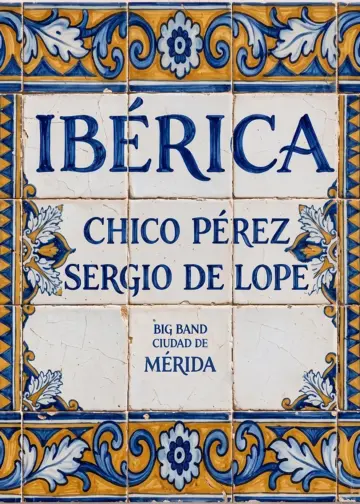
Ibérica - Chico Pérez & Sergio de Lope
cds de flamenco

«Ibérica» – Chico Pérez & Sergio de Lope

Ibérica es el nuevo disco del pianista Chico Pérez y del flautista y saxofonista Sergio de Lope, dos artistas que ...

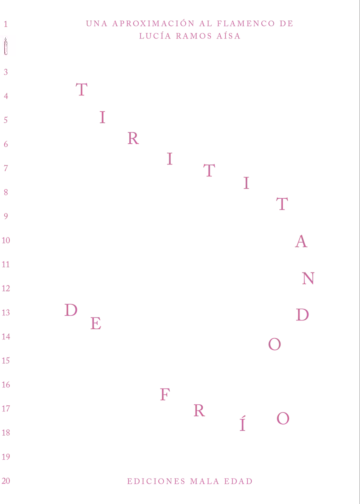
Tirititando de frío de Lucía Ramos Aísa
libros de flamenco

«Tirititando de frío» Lucía Ramós Aísa (libro)

Una aproximación al flamenco de Lucía Ramos Aísa La periodista Lucía Ramos Aísa narra sus vivencias en el flamenco a ...

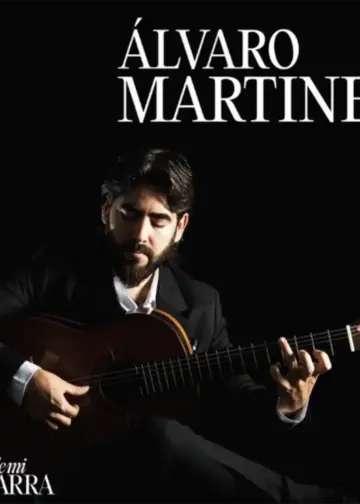
Álvaro Martinente - Sonidos de mi guitarra
cds de flamenco

Álvaro Martinete – Sonido de mi guitarra CD

Álvaro Martinete nace a la música en una tierra que por sí sola es música. Una música que envuelve a ...

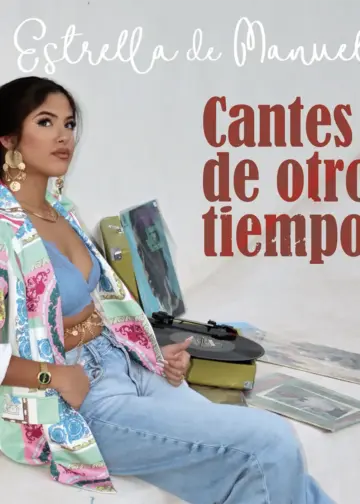
Estrella de Manuela - Cantes de otros tiempos CD
cds de flamenco

Estrella de Manuela «Cantes de otros tiempos» – CD

Juventud, divino tesoro. Con apenas diecinueve años y tres discos en el mercado, la aventura de Estrella de Manuela no ...

Nuestro Twitter - Síguenos

Recomendamos

Villanos del Flamenco
Sáb, 20 Jun 2026 - Dom, 12 Jul 2026

Villanos del Flamenco

Arcángel - Villanos del Flamenco
Sáb, 20 Jun 2026

Arcángel «Hereje» – Villanos del Flamenco

Alba Heredia - Ricardo Fernández del Moral
Mié - Vie, 24 - 26 Jun 2026

Alba Heredia y Ricardo Fernández del Moral «De raíz» – Flamenco Real

Vie, 26 Jun 2026

ALFONSO LOSA CON PAULA COMITRE – ALTER EGO – Villanos del flamenco

¡No hay eventos!
Facebook Twitter Pinterest Instagram Youtube Twitch Telegram

Aviso Legal / Política de Privacidad / Uso de Cookies
Condiciones de Uso y Normas de Publicación de Anuncios Clasificados

¡Atención! SUSCRIPCIÓN COMPLETA a través de Wordpress.com
Introduce tu correo electrónico y recibirás un email por cada entrada que publiquemos.


Newsletter (envío boletín mensual con Mailchimp)


¿Quiénes somos?
Soporte, publicidad y patrocinio

Mi Cuenta

© 2024 Deflamenco.com - ADN Flamenco Web Services S.L.

Welcome Back!

Login to your account below

Forgotten Password?

Retrieve your password

Please enter your username or email address to reset your password.

Log In
No Result
View All Result
  • REVISTA
    • Noticias de Flamenco
    • Reseñas
    • Entrevistas
    • Especiales
    • Festival de Jerez
    • Opinión
    • De tablao en tablao
    • Moda flamenca
    • Más flamenco
  • AGENDA
    • Flamenco en Madrid
    • Flamenco en Barcelona
    • Flamenco en Andalucía
      • Flamenco en Sevilla
      • Flamenco en Jerez & Cádiz
      • Flamenco en Málaga
      • Flamenco en Córdoba
      • Flamenco en Jaén
      • Flamenco en Huelva
      • Flamenco en Almería
      • Flamenco en Granada
    • Flamenco en España (resto)
      • Flamenco en Aragón
      • Flamenco en Asturias
      • Flamenco en Baleares
      • Flamenco en Canarias
      • Flamenco en Cantabria
      • Flamenco en Castilla la Mancha
      • Flamenco en Castilla-León
      • Flamenco en Ceuta / Melilla
      • Flamenco en Extremadura
      • Flamenco en Galicia
      • Flamenco en La Rioja (Logroño)
      • Flamenco en Murcia
      • Flamenco en Pamplona
      • Flamenco en el País Vasco
      • Flamenco en Valencia
    • Flamenco en Europa
      • Flamenco en Francia
      • Flamenco en Alemania
      • Flamenco en Países Bajos & Bélgica
      • Flamenco en Italia
      • Flamenco en Reino Unido
      • Flamenco en Portugal
      • Flamenco en Suiza
      • Flamenco en Resto de Europa
    • Flamenco en América
      • Flamenco en Canadá
      • Flamenco en Estados Unidos
      • Flamencos en México / Centro América
      • Flamenco en América del Sur
    • Flamenco en el Mundo
      • Flamenco en África
      • Flamenco en Australia
      • Flamenco en Japón & Asia
    • Flamencos EN GIRA
  • CURSOS
    • Cursos Flamenco online
    • Calendario Cursos de Flamenco (general)
    • Cursos Flamenco en Sevilla
    • Cursos de Flamenco en Jerez & Cádiz
    • Cursos Flamenco en Madrid
    • Cursos flamenco en Barcelona
    • Cursos Flamenco en Málaga
  • ARTISTAS
    • Cantaores & cantaoras
    • Guitarristas
    • Bailaores & bailaoras
    • Otros/Grupos
    • Compañias
    • Espectáculos
    • Management
  • MEDIA
    • Twitch – Flamenco live
    • Fotografías
    • Videos
  • GUÍA DE FLAMENCO
    • Escuelas y estudios de Flamenco
    • Tablaos flamencos
    • Teatros, Salas de Concierto
    • Peñas de Flamenco
    • Bares Flamencos, restaurantes
    • Moda Flamenca, complementos
    • Tiendas de Flamenco
    • Guitarrerias, luthiers
  • CATÁLOGO
    • Cds de flamenco
    • Libros de flamenco
    • Dvds de flamenco
    • Vinilos de Flamenco
  • Tablaos
    • Noticias
    • Madrid
      • Donde ver buen flamenco
      • Cardamomo
      • Tablao Flamenco 1911
      • Tablao flamenco La Carmela
      • Tablao Las Carboneras
      • Tablao de la Villa
      • Las Tablas Flamenco Madrid
      • Centro Cultural Flamenco de Madrid
      • Café Ziryab
      • Corral de la Moreria
    • Barcelona
      • Tablao Flamenco Cordobes
      • El Duende by Tablao Cordobes
    • Granada
    • Sevilla
  • [ENGLISH]
    • News
    • Show Reviews
    • Interviews
    • Special Reports
    • Flamenco Shows in Madrid
      • Cardamomo Flamenco Madrid
      • Tablao 1911
      • Las Tablas Flamenco Madrid
      • Centro Cultural Flamenco de Madrid
      • Corral de la Moreria
      • Café Ziryab
    • Flamenco Shows in Barcelona
      • Tablao Flamenco Cordobes
      • El Duende by Tablao Cordobes
    • Special Festival de Jerez
    • Flamenco fashion
    • More flamenco
    • Opinion
    • My Flamenco Year
  • Publicidad
  • –

© 2024 Deflamenco.com - ADN Flamenco Web Services S.L.

Utilizamos cookies para asegurar que damos la mejor experiencia al usuario y obtener estadísticas en nuestro sitio web. Si continúa utilizando este sitio asumiremos que está de acuerdo. Más info: