Flamenco on Fire 2026 Flamenco on Fire 2026
lunes, 29 junio 2026
  • [Soporte, publicidad]
  • [Sobre deflamenco]
  • [Faq]
  • [Tienda/Shop]
Revista DeFlamenco.com
Tablao Flamenco 1911 - Madrid
  • REVISTA
    • Noticias de Flamenco
    • Reseñas
    • Entrevistas
    • Especiales
    • Festival de Jerez
    • Opinión
    • De tablao en tablao
    • Moda flamenca
    • Más flamenco
  • AGENDA
    • Flamenco en Madrid
    • Flamenco en Barcelona
    • Flamenco en Andalucía
      • Flamenco en Sevilla
      • Flamenco en Jerez & Cádiz
      • Flamenco en Málaga
      • Flamenco en Córdoba
      • Flamenco en Jaén
      • Flamenco en Huelva
      • Flamenco en Almería
      • Flamenco en Granada
    • Flamenco en España (resto)
      • Flamenco en Aragón
      • Flamenco en Asturias
      • Flamenco en Baleares
      • Flamenco en Canarias
      • Flamenco en Cantabria
      • Flamenco en Castilla la Mancha
      • Flamenco en Castilla-León
      • Flamenco en Ceuta / Melilla
      • Flamenco en Extremadura
      • Flamenco en Galicia
      • Flamenco en La Rioja (Logroño)
      • Flamenco en Murcia
      • Flamenco en Pamplona
      • Flamenco en el País Vasco
      • Flamenco en Valencia
    • Flamenco en Europa
      • Flamenco en Francia
      • Flamenco en Alemania
      • Flamenco en Países Bajos & Bélgica
      • Flamenco en Italia
      • Flamenco en Reino Unido
      • Flamenco en Portugal
      • Flamenco en Suiza
      • Flamenco en Resto de Europa
    • Flamenco en América
      • Flamenco en Canadá
      • Flamenco en Estados Unidos
      • Flamencos en México / Centro América
      • Flamenco en América del Sur
    • Flamenco en el Mundo
      • Flamenco en África
      • Flamenco en Australia
      • Flamenco en Japón & Asia
    • Flamencos EN GIRANew
  • CURSOS
    • Cursos Flamenco online
    • Calendario Cursos de Flamenco (general)
    • Cursos Flamenco en Sevilla
    • Cursos de Flamenco en Jerez & Cádiz
    • Cursos Flamenco en Madrid
    • Cursos flamenco en Barcelona
    • Cursos Flamenco en Málaga
  • ARTISTAS
    • Cantaores & cantaoras
    • Guitarristas
    • Bailaores & bailaoras
    • Otros/Grupos
    • Compañias
    • Espectáculos
    • Management
  • MEDIA
    • Twitch – Flamenco live
    • Fotografías
    • Videos
  • GUÍA DE FLAMENCO
    • Escuelas y estudios de Flamenco
    • Tablaos flamencos
    • Teatros, Salas de Concierto
    • Peñas de Flamenco
    • Bares Flamencos, restaurantes
    • Moda Flamenca, complementos
    • Tiendas de Flamenco
    • Guitarrerias, luthiers
  • CATÁLOGO
    • Cds de flamenco
    • Libros de flamenco
    • Dvds de flamenco
    • Vinilos de Flamenco
  • Tablaos
    • Noticias
    • Madrid
      • Donde ver buen flamenco
      • Cardamomo
      • Tablao Flamenco 1911
      • Tablao flamenco La Carmela
      • Tablao Las Carboneras
      • Tablao de la Villa
      • Las Tablas Flamenco Madrid
      • Centro Cultural Flamenco de Madrid
      • Café Ziryab
      • Corral de la Moreria
    • Barcelona
      • Tablao Flamenco Cordobes
      • El Duende by Tablao Cordobes
    • Granada
    • Sevilla
  • [ENGLISH]
    • News
    • Show Reviews
    • Interviews
    • Special Reports
    • Flamenco Shows in MadridNew
      • Cardamomo Flamenco Madrid
      • Tablao 1911
      • Las Tablas Flamenco Madrid
      • Centro Cultural Flamenco de Madrid
      • Corral de la Moreria
      • Café Ziryab
    • Flamenco Shows in Barcelona
      • Tablao Flamenco Cordobes
      • El Duende by Tablao Cordobes
    • Special Festival de JerezNew
    • Flamenco fashion
    • More flamenco
    • Opinion
    • My Flamenco Year
  • Publicidad
  • –
No Result
View All Result
  • REVISTA
    • Noticias de Flamenco
    • Reseñas
    • Entrevistas
    • Especiales
    • Festival de Jerez
    • Opinión
    • De tablao en tablao
    • Moda flamenca
    • Más flamenco
  • AGENDA
    • Flamenco en Madrid
    • Flamenco en Barcelona
    • Flamenco en Andalucía
      • Flamenco en Sevilla
      • Flamenco en Jerez & Cádiz
      • Flamenco en Málaga
      • Flamenco en Córdoba
      • Flamenco en Jaén
      • Flamenco en Huelva
      • Flamenco en Almería
      • Flamenco en Granada
    • Flamenco en España (resto)
      • Flamenco en Aragón
      • Flamenco en Asturias
      • Flamenco en Baleares
      • Flamenco en Canarias
      • Flamenco en Cantabria
      • Flamenco en Castilla la Mancha
      • Flamenco en Castilla-León
      • Flamenco en Ceuta / Melilla
      • Flamenco en Extremadura
      • Flamenco en Galicia
      • Flamenco en La Rioja (Logroño)
      • Flamenco en Murcia
      • Flamenco en Pamplona
      • Flamenco en el País Vasco
      • Flamenco en Valencia
    • Flamenco en Europa
      • Flamenco en Francia
      • Flamenco en Alemania
      • Flamenco en Países Bajos & Bélgica
      • Flamenco en Italia
      • Flamenco en Reino Unido
      • Flamenco en Portugal
      • Flamenco en Suiza
      • Flamenco en Resto de Europa
    • Flamenco en América
      • Flamenco en Canadá
      • Flamenco en Estados Unidos
      • Flamencos en México / Centro América
      • Flamenco en América del Sur
    • Flamenco en el Mundo
      • Flamenco en África
      • Flamenco en Australia
      • Flamenco en Japón & Asia
    • Flamencos EN GIRANew
  • CURSOS
    • Cursos Flamenco online
    • Calendario Cursos de Flamenco (general)
    • Cursos Flamenco en Sevilla
    • Cursos de Flamenco en Jerez & Cádiz
    • Cursos Flamenco en Madrid
    • Cursos flamenco en Barcelona
    • Cursos Flamenco en Málaga
  • ARTISTAS
    • Cantaores & cantaoras
    • Guitarristas
    • Bailaores & bailaoras
    • Otros/Grupos
    • Compañias
    • Espectáculos
    • Management
  • MEDIA
    • Twitch – Flamenco live
    • Fotografías
    • Videos
  • GUÍA DE FLAMENCO
    • Escuelas y estudios de Flamenco
    • Tablaos flamencos
    • Teatros, Salas de Concierto
    • Peñas de Flamenco
    • Bares Flamencos, restaurantes
    • Moda Flamenca, complementos
    • Tiendas de Flamenco
    • Guitarrerias, luthiers
  • CATÁLOGO
    • Cds de flamenco
    • Libros de flamenco
    • Dvds de flamenco
    • Vinilos de Flamenco
  • Tablaos
    • Noticias
    • Madrid
      • Donde ver buen flamenco
      • Cardamomo
      • Tablao Flamenco 1911
      • Tablao flamenco La Carmela
      • Tablao Las Carboneras
      • Tablao de la Villa
      • Las Tablas Flamenco Madrid
      • Centro Cultural Flamenco de Madrid
      • Café Ziryab
      • Corral de la Moreria
    • Barcelona
      • Tablao Flamenco Cordobes
      • El Duende by Tablao Cordobes
    • Granada
    • Sevilla
  • [ENGLISH]
    • News
    • Show Reviews
    • Interviews
    • Special Reports
    • Flamenco Shows in MadridNew
      • Cardamomo Flamenco Madrid
      • Tablao 1911
      • Las Tablas Flamenco Madrid
      • Centro Cultural Flamenco de Madrid
      • Corral de la Moreria
      • Café Ziryab
    • Flamenco Shows in Barcelona
      • Tablao Flamenco Cordobes
      • El Duende by Tablao Cordobes
    • Special Festival de JerezNew
    • Flamenco fashion
    • More flamenco
    • Opinion
    • My Flamenco Year
  • Publicidad
  • –
No Result
View All Result
Revista DeFlamenco.com
No Result
View All Result
Home Revista Reseñas

IX Festival Internacional de Jerez 2005. Manolo Sanlúcar. 'tres momentos para un concierto'. Juan de Juan. Javier Barón 'notas al pie'

by DeFlamenco
1 03 2005
in Reseñas, show-reviews
Comparte en FacebookCanal TelegramComparte en Twitter


IX
FESTIVAL DE JEREZ 2005.

Manolo
Sanlúcar

Javier
Barón

Manolo
Sanlúcar “Tres momentos para un concierto”
Compañía Javier Barón “Notas al
pie”

Sunday, February 27, 2005. 9:30pm Teatro Villamarta, Jerez.

“Tres momentos para un concierto”. Guitar
and music director: Manolo Sanlúcar. Second guitar:
Santiago Lara. Cante: Carmen Grilo. Percussion: Francisco
González “Paquito”, Jorque Aguilar. Music:
Manolo Sanlúcar.

“Notas al pie”. Dance: Javier Barón,
Isabel Bayón. Cante: Juan José Amador, Pepe
de Pura. Guitar: Javier Patino, Juan Diego Mateos. Percussion:
Juan Ruiz. Violin: Alexis Lefevre.

All the information IX
Festival de Jerez

Text: Estela Zatania

Juan de Juan: more mature and
self-confident

The
offering on this third day of the Festival de Jerez was interesting
and varied. At the Sala la Compañía, and within
the series “Los Novísimos” devoted to young
dancers, there was a packed house for Juan de Juan, the young
man who was Antonio Canales’ star dancer for years and
recently struck out on his own causing his already considerable
fame to grow. Morón de la Frontera, the dancer’s
birthplace, is a guitar town, but there it also tends to turn
out fine dancers – Juana Amaya for example, who was
one of Juan’s teachers.

With the guitar of Jesús del Rosario and the voice,
not announced on the program but very welcome, of Guadiana,
Juan de Juan was more mature and self-confident than we remember
seeing him, although he still needs to tone down somewhat
and administer his abundant energy – where others want
to arrive but fall short, this dancer arrives handily and
just keeps going. The strong influence of Canales is clear,
but also the artistic admiration for Farruquito, and the combination
of the latter’s compás and gypsy dynamic with
the former’s interpretative ability and touch of madness
makes Juan de Juan unique in the current flamenco dance scene.

Sanlúcar: a sense of artistic
curiosity and discovery

Manolo Sanlúcar earned his place of honor long ago.
And he no longer has to worry about maintaining it, because
his status as musical genius and virtuoso of the guitar has
acquired permanence. Along with Paco de Lucía he is
a fundamental element of the evolutionary movement in flamenco
guitar that kicked into high gear in the early seventies thanks
to these two maestros.

In this recital, shared with dancer Javier Barón,
the man from Sanlúcar offered a retrospective of the
most representative work of his lengthy career, including
compositions up to 1989, Tauromagia and Locura de Brisa y
Trino.

Manuel Ríos Ruiz talks about the “effortless
fusion” Sanlúcar contributed to flamenco, and
in the Villamarta recital we savored the sense of artistic
curiosity and discovery always present in this guitarist’s
work. The maestro spoke at length between pieces, remembering
anecdotes or commenting on the compositions. He tells us that
“Pastora Pavón ‘La Niña de los Peines’
was my artistic mentor” and cites Manuel de Falla: “Music
is not to be understood, but to be felt”, a clear reference
to those who have expressed doubts about the experimental
tendencies in flamenco.

After a classic arrangement of alegrías – despite
the contemporary nature of Sanlúcar’s music,
the guitarist tends to avoid the alternative tunings that
have become so fashionable, and no matter how many unusual
chords he uses, flamenco and its compás are always
the glue that holds everything together – singer Carmen
Grilo takes her place on stage to interpret “Locura
de brisa y trino”.

The recital ends with a piece not announced on the program,
“La danza de los pavos”, a song to the compás
of alegrías which takes its name from a painting by
the Andalusian artist Baldomero Romero Ressendi which was
the inspiration for Sanlúcar’s upcoming recording.

Javier Barón: masculine
with no unnecessary expenditure of testosterone

After
intermission the lights dimmed and Javier Barón’s
musicians appeared on stage one by one, in almost haphazard
fashion, as if arriving at a rehearsal. It’s a beginning
the Seville dancer has used on other occasions and which expresses
his desire to avoid all pretense and superficiality. Barón
appears front and center and stands stock still for several
minutes beneath an overhead spot…the same “choreography”
employed by Eva Yerbabuena to close her most recent work “A
cuatro voces”. One of the pitfalls of rejecting superficiality
is falling into existential excess. But we want to forgive
everything this man does with such respect, integrity and
natural grace.

The group consists of two guitarists, two singers, percussionist
and violin, in addition to the noteworthy collaboration of
dancer Isabel Bayón whose dry, geometric style acquires
a certain warmth with Barón, without altering her unusual
perspective. Normally flamenco dance, as well as singing and
guitar-playing, is diminished in reverse ratio according to
the number of people interpreting a given activity, because
flamenco is constructed as a uni-personal endeavor, but Javier
and Isabel have a convincing symbiosis, aside from the fact
that they also dance solo numbers.


Isabel dances the malagueña of Mellizo to introduce
a jaleo extremeño. The first time I saw a free-rhythm
cante danced was in 1964 when Manuela Vargas mounted a choreography
to Pastora Pavón’s petenera which has no fixed
rhythm, and in the years since, many dancers have introduced
standard rhythmic petenera in this way. Dance without fixed
rhythm tends to quickly go out of character or degenerate
into silent film gestures, so it’s unlikely this will
be a lasting fad, or so we hope.

A beautiful violin introduction leads us into Javier’s
soleá por bulería. His is a sober, straightforward
style, masculine without any unnecessary expenditure of testosterone
that so many lesser beings rely on for easy applause. This
dancer begins each performance from square one and sets out
to win over the audience by sheer creative force. The first
numbers typically bring only polite, reserved applause, but
Barón gets under your skin and soon people are jumping
out of their sets. And so it was Sunday evening at the Villamarta
theater.

Pele:
a good, solid cante recital

More flamenco, this time with Pele and Manuel Silveria, down
at the Apóstoles wine cellar that quickly filled up
despite the incessant rain. We’re accustomed to seeing
contemporary offerings at the bodega, but the two men from
Córdoba offered a good, solid cante recital that included
soleá, siguiriya, a Caracol zambra, alegrías,
bulerías and tonás. The singer was in excellent
form and seemed at ease. After the last cante, the rain, stronger
now, didn’t stop those who continued on to the Peña
Pescaera for the last sherry of the night and the show of
La Rubia’s group.

Manolo Sanlúcar con Carmen Linares
'Locura de brisa y trino'

Manolo Sanlúcar
'Tauromagia'

El Pele & Vicente Amigo
'Canto'


Tablao Flamenco 1911 Tablao Flamenco 1911


IX
FESTIVAL DE JEREZ 2005.

Manolo
Sanlúcar

Javier
Barón

Manolo
Sanlúcar “Tres momentos para un concierto”
Compañía Javier Barón “Notas al
pie”

Sunday, February 27, 2005. 9:30pm Teatro Villamarta, Jerez.

“Tres momentos para un concierto”. Guitar
and music director: Manolo Sanlúcar. Second guitar:
Santiago Lara. Cante: Carmen Grilo. Percussion: Francisco
González “Paquito”, Jorque Aguilar. Music:
Manolo Sanlúcar.

“Notas al pie”. Dance: Javier Barón,
Isabel Bayón. Cante: Juan José Amador, Pepe
de Pura. Guitar: Javier Patino, Juan Diego Mateos. Percussion:
Juan Ruiz. Violin: Alexis Lefevre.

All the information IX
Festival de Jerez

Text: Estela Zatania

Juan de Juan: more mature and
self-confident

The
offering on this third day of the Festival de Jerez was interesting
and varied. At the Sala la Compañía, and within
the series “Los Novísimos” devoted to young
dancers, there was a packed house for Juan de Juan, the young
man who was Antonio Canales’ star dancer for years and
recently struck out on his own causing his already considerable
fame to grow. Morón de la Frontera, the dancer’s
birthplace, is a guitar town, but there it also tends to turn
out fine dancers – Juana Amaya for example, who was
one of Juan’s teachers.

With the guitar of Jesús del Rosario and the voice,
not announced on the program but very welcome, of Guadiana,
Juan de Juan was more mature and self-confident than we remember
seeing him, although he still needs to tone down somewhat
and administer his abundant energy – where others want
to arrive but fall short, this dancer arrives handily and
just keeps going. The strong influence of Canales is clear,
but also the artistic admiration for Farruquito, and the combination
of the latter’s compás and gypsy dynamic with
the former’s interpretative ability and touch of madness
makes Juan de Juan unique in the current flamenco dance scene.

Sanlúcar: a sense of artistic
curiosity and discovery

Manolo Sanlúcar earned his place of honor long ago.
And he no longer has to worry about maintaining it, because
his status as musical genius and virtuoso of the guitar has
acquired permanence. Along with Paco de Lucía he is
a fundamental element of the evolutionary movement in flamenco
guitar that kicked into high gear in the early seventies thanks
to these two maestros.

In this recital, shared with dancer Javier Barón,
the man from Sanlúcar offered a retrospective of the
most representative work of his lengthy career, including
compositions up to 1989, Tauromagia and Locura de Brisa y
Trino.

Manuel Ríos Ruiz talks about the “effortless
fusion” Sanlúcar contributed to flamenco, and
in the Villamarta recital we savored the sense of artistic
curiosity and discovery always present in this guitarist’s
work. The maestro spoke at length between pieces, remembering
anecdotes or commenting on the compositions. He tells us that
“Pastora Pavón ‘La Niña de los Peines’
was my artistic mentor” and cites Manuel de Falla: “Music
is not to be understood, but to be felt”, a clear reference
to those who have expressed doubts about the experimental
tendencies in flamenco.

After a classic arrangement of alegrías – despite
the contemporary nature of Sanlúcar’s music,
the guitarist tends to avoid the alternative tunings that
have become so fashionable, and no matter how many unusual
chords he uses, flamenco and its compás are always
the glue that holds everything together – singer Carmen
Grilo takes her place on stage to interpret “Locura
de brisa y trino”.

The recital ends with a piece not announced on the program,
“La danza de los pavos”, a song to the compás
of alegrías which takes its name from a painting by
the Andalusian artist Baldomero Romero Ressendi which was
the inspiration for Sanlúcar’s upcoming recording.

Javier Barón: masculine
with no unnecessary expenditure of testosterone

After
intermission the lights dimmed and Javier Barón’s
musicians appeared on stage one by one, in almost haphazard
fashion, as if arriving at a rehearsal. It’s a beginning
the Seville dancer has used on other occasions and which expresses
his desire to avoid all pretense and superficiality. Barón
appears front and center and stands stock still for several
minutes beneath an overhead spot…the same “choreography”
employed by Eva Yerbabuena to close her most recent work “A
cuatro voces”. One of the pitfalls of rejecting superficiality
is falling into existential excess. But we want to forgive
everything this man does with such respect, integrity and
natural grace.

The group consists of two guitarists, two singers, percussionist
and violin, in addition to the noteworthy collaboration of
dancer Isabel Bayón whose dry, geometric style acquires
a certain warmth with Barón, without altering her unusual
perspective. Normally flamenco dance, as well as singing and
guitar-playing, is diminished in reverse ratio according to
the number of people interpreting a given activity, because
flamenco is constructed as a uni-personal endeavor, but Javier
and Isabel have a convincing symbiosis, aside from the fact
that they also dance solo numbers.


Isabel dances the malagueña of Mellizo to introduce
a jaleo extremeño. The first time I saw a free-rhythm
cante danced was in 1964 when Manuela Vargas mounted a choreography
to Pastora Pavón’s petenera which has no fixed
rhythm, and in the years since, many dancers have introduced
standard rhythmic petenera in this way. Dance without fixed
rhythm tends to quickly go out of character or degenerate
into silent film gestures, so it’s unlikely this will
be a lasting fad, or so we hope.

A beautiful violin introduction leads us into Javier’s
soleá por bulería. His is a sober, straightforward
style, masculine without any unnecessary expenditure of testosterone
that so many lesser beings rely on for easy applause. This
dancer begins each performance from square one and sets out
to win over the audience by sheer creative force. The first
numbers typically bring only polite, reserved applause, but
Barón gets under your skin and soon people are jumping
out of their sets. And so it was Sunday evening at the Villamarta
theater.

Pele:
a good, solid cante recital

More flamenco, this time with Pele and Manuel Silveria, down
at the Apóstoles wine cellar that quickly filled up
despite the incessant rain. We’re accustomed to seeing
contemporary offerings at the bodega, but the two men from
Córdoba offered a good, solid cante recital that included
soleá, siguiriya, a Caracol zambra, alegrías,
bulerías and tonás. The singer was in excellent
form and seemed at ease. After the last cante, the rain, stronger
now, didn’t stop those who continued on to the Peña
Pescaera for the last sherry of the night and the show of
La Rubia’s group.

Manolo Sanlúcar con Carmen Linares
'Locura de brisa y trino'

Manolo Sanlúcar
'Tauromagia'

El Pele & Vicente Amigo
'Canto'


Descubre más desde Revista DeFlamenco.com

Suscríbete y recibe las últimas entradas en tu correo electrónico.

Previous Post

Especial IX Festival Internacional de Jerez 2005. María Pagés. 'Canciones para antes de una guerra'

Next Post

Ricardo Molina, Antonio Mairena – Mundo y formas del cante flamenco. reedición.

Related Posts

Novedades

El fútbol, el infierno y Tomatito

Novedades

‘Alter Ego’ o el milagro del diálogo

Nascencia - BECM
Noticias

El Ballet Español de la Comunidad de Madrid estrena ‘Nascencia’ en el Festival Clásicos en Alcalá

Next Post

Especial IX Festival Internacional de Jerez 2005. Antonio Canales & Rocio Molina

Please login to join discussion
Festival Guitarra Córdoba
Desvarío Flamenco 2026
Villanos del Flamenco
Bierzo al toque 2026
AIEnRuta Flamencos 2026
Tablao Flamenco 1911 - Madrid
Cardamomo - Tablao Flamenco Madrid
Tablao flamenco La Carmela - Madrid
Tablao las Carboneras - Madrid
Tablao de la Villa - Madrid
Centro Cultural Flamenco de Madrid
Tablao Flamenco Cordobes - Barcelona
El Duende, tablao flamenco Barcelona by Cordobes
Las Tablas Flamenco Madrid

Más vistos

  • El fútbol, el infierno y Tomatito

    473 shares
    Share 189 Tweet 118
  • Madrid estrena “Villanos del Flamenco”, un nuevo ciclo que mira al futuro del género desde la raíz

    679 shares
    Share 272 Tweet 170
  • ‘Alter Ego’ o el milagro del diálogo

    435 shares
    Share 174 Tweet 109
  • El Cabildo Flamenco de Archidona celebra su novena edición con Kiko Veneno, Kiki Morente y Gualberto entre sus protagonistas

    482 shares
    Share 193 Tweet 121
  • Fallece en El Puerto de Santa María el guitarrista jerezano Miguel Salado a los 44 años

    712 shares
    Share 285 Tweet 178
cds de flamenco

Alicia Morales recupera el legado de El Mochuelo en su tercer álbum de cante jondo

Hay trabajos discográficos que no aspiran a la novedad sino a la recuperación: traer al presente lo que el tiempo ...

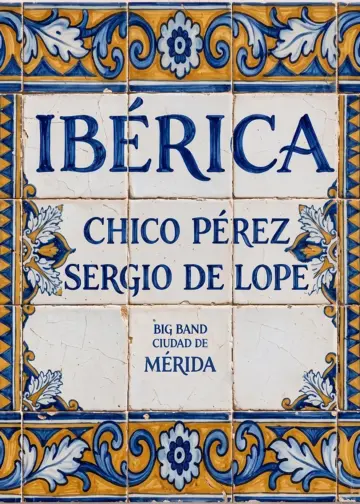
Ibérica - Chico Pérez & Sergio de Lope
cds de flamenco

«Ibérica» – Chico Pérez & Sergio de Lope

Ibérica es el nuevo disco del pianista Chico Pérez y del flautista y saxofonista Sergio de Lope, dos artistas que ...

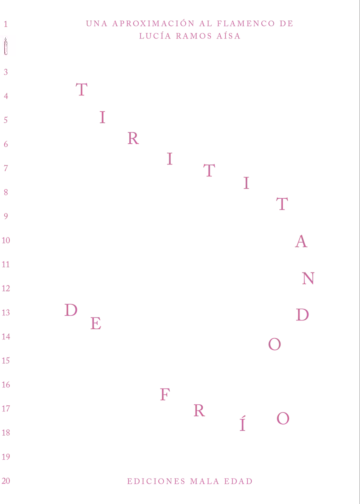
Tirititando de frío de Lucía Ramos Aísa
libros de flamenco

«Tirititando de frío» Lucía Ramós Aísa (libro)

Una aproximación al flamenco de Lucía Ramos Aísa La periodista Lucía Ramos Aísa narra sus vivencias en el flamenco a ...

Álvaro Martinente - Sonidos de mi guitarra
cds de flamenco

Álvaro Martinete – Sonido de mi guitarra CD

Álvaro Martinete nace a la música en una tierra que por sí sola es música. Una música que envuelve a ...

Estrella de Manuela - Cantes de otros tiempos CD
cds de flamenco

Estrella de Manuela «Cantes de otros tiempos» – CD

Juventud, divino tesoro. Con apenas diecinueve años y tres discos en el mercado, la aventura de Estrella de Manuela no ...

Nuestro Twitter - Síguenos

Recomendamos

Villanos del Flamenco
Sáb, 20 Jun 2026 - Dom, 12 Jul 2026

Villanos del Flamenco

Mont de Marsan - Festival de arte flamenco
Mar, 30 Jun 2026 - Sáb, 04 Jul 2026

Festival Arte Flamenco de Mont-de-Marsan

Jue, 02 Jul 2026

JESÚS CARMONA «BAILE DE BESTIAS» Villanos del Flamenco

Vie, 03 Jul 2026

CHANO DOMINGUEZ, ANTONIO SERRANO, EL NEGRON TRIO – Villanos del Flamenco

¡No hay eventos!
Facebook Twitter Pinterest Instagram Youtube Twitch Telegram

Aviso Legal / Política de Privacidad / Uso de Cookies
Condiciones de Uso y Normas de Publicación de Anuncios Clasificados

¡Atención! SUSCRIPCIÓN COMPLETA a través de Wordpress.com
Introduce tu correo electrónico y recibirás un email por cada entrada que publiquemos.


Newsletter (envío boletín mensual con Mailchimp)


¿Quiénes somos?
Soporte, publicidad y patrocinio

Mi Cuenta

© 2024 Deflamenco.com - ADN Flamenco Web Services S.L.

Welcome Back!

Login to your account below

Forgotten Password?

Retrieve your password

Please enter your username or email address to reset your password.

Log In
No Result
View All Result
  • REVISTA
    • Noticias de Flamenco
    • Reseñas
    • Entrevistas
    • Especiales
    • Festival de Jerez
    • Opinión
    • De tablao en tablao
    • Moda flamenca
    • Más flamenco
  • AGENDA
    • Flamenco en Madrid
    • Flamenco en Barcelona
    • Flamenco en Andalucía
      • Flamenco en Sevilla
      • Flamenco en Jerez & Cádiz
      • Flamenco en Málaga
      • Flamenco en Córdoba
      • Flamenco en Jaén
      • Flamenco en Huelva
      • Flamenco en Almería
      • Flamenco en Granada
    • Flamenco en España (resto)
      • Flamenco en Aragón
      • Flamenco en Asturias
      • Flamenco en Baleares
      • Flamenco en Canarias
      • Flamenco en Cantabria
      • Flamenco en Castilla la Mancha
      • Flamenco en Castilla-León
      • Flamenco en Ceuta / Melilla
      • Flamenco en Extremadura
      • Flamenco en Galicia
      • Flamenco en La Rioja (Logroño)
      • Flamenco en Murcia
      • Flamenco en Pamplona
      • Flamenco en el País Vasco
      • Flamenco en Valencia
    • Flamenco en Europa
      • Flamenco en Francia
      • Flamenco en Alemania
      • Flamenco en Países Bajos & Bélgica
      • Flamenco en Italia
      • Flamenco en Reino Unido
      • Flamenco en Portugal
      • Flamenco en Suiza
      • Flamenco en Resto de Europa
    • Flamenco en América
      • Flamenco en Canadá
      • Flamenco en Estados Unidos
      • Flamencos en México / Centro América
      • Flamenco en América del Sur
    • Flamenco en el Mundo
      • Flamenco en África
      • Flamenco en Australia
      • Flamenco en Japón & Asia
    • Flamencos EN GIRA
  • CURSOS
    • Cursos Flamenco online
    • Calendario Cursos de Flamenco (general)
    • Cursos Flamenco en Sevilla
    • Cursos de Flamenco en Jerez & Cádiz
    • Cursos Flamenco en Madrid
    • Cursos flamenco en Barcelona
    • Cursos Flamenco en Málaga
  • ARTISTAS
    • Cantaores & cantaoras
    • Guitarristas
    • Bailaores & bailaoras
    • Otros/Grupos
    • Compañias
    • Espectáculos
    • Management
  • MEDIA
    • Twitch – Flamenco live
    • Fotografías
    • Videos
  • GUÍA DE FLAMENCO
    • Escuelas y estudios de Flamenco
    • Tablaos flamencos
    • Teatros, Salas de Concierto
    • Peñas de Flamenco
    • Bares Flamencos, restaurantes
    • Moda Flamenca, complementos
    • Tiendas de Flamenco
    • Guitarrerias, luthiers
  • CATÁLOGO
    • Cds de flamenco
    • Libros de flamenco
    • Dvds de flamenco
    • Vinilos de Flamenco
  • Tablaos
    • Noticias
    • Madrid
      • Donde ver buen flamenco
      • Cardamomo
      • Tablao Flamenco 1911
      • Tablao flamenco La Carmela
      • Tablao Las Carboneras
      • Tablao de la Villa
      • Las Tablas Flamenco Madrid
      • Centro Cultural Flamenco de Madrid
      • Café Ziryab
      • Corral de la Moreria
    • Barcelona
      • Tablao Flamenco Cordobes
      • El Duende by Tablao Cordobes
    • Granada
    • Sevilla
  • [ENGLISH]
    • News
    • Show Reviews
    • Interviews
    • Special Reports
    • Flamenco Shows in Madrid
      • Cardamomo Flamenco Madrid
      • Tablao 1911
      • Las Tablas Flamenco Madrid
      • Centro Cultural Flamenco de Madrid
      • Corral de la Moreria
      • Café Ziryab
    • Flamenco Shows in Barcelona
      • Tablao Flamenco Cordobes
      • El Duende by Tablao Cordobes
    • Special Festival de Jerez
    • Flamenco fashion
    • More flamenco
    • Opinion
    • My Flamenco Year
  • Publicidad
  • –

© 2024 Deflamenco.com - ADN Flamenco Web Services S.L.

Utilizamos cookies para asegurar que damos la mejor experiencia al usuario y obtener estadísticas en nuestro sitio web. Si continúa utilizando este sitio asumiremos que está de acuerdo. Más info: