Flamenco on Fire 2026 Flamenco on Fire 2026
lunes, 29 junio 2026
  • [Soporte, publicidad]
  • [Sobre deflamenco]
  • [Faq]
  • [Tienda/Shop]
Revista DeFlamenco.com
Tablao Flamenco 1911 - Madrid
  • REVISTA
    • Noticias de Flamenco
    • Reseñas
    • Entrevistas
    • Especiales
    • Festival de Jerez
    • Opinión
    • De tablao en tablao
    • Moda flamenca
    • Más flamenco
  • AGENDA
    • Flamenco en Madrid
    • Flamenco en Barcelona
    • Flamenco en Andalucía
      • Flamenco en Sevilla
      • Flamenco en Jerez & Cádiz
      • Flamenco en Málaga
      • Flamenco en Córdoba
      • Flamenco en Jaén
      • Flamenco en Huelva
      • Flamenco en Almería
      • Flamenco en Granada
    • Flamenco en España (resto)
      • Flamenco en Aragón
      • Flamenco en Asturias
      • Flamenco en Baleares
      • Flamenco en Canarias
      • Flamenco en Cantabria
      • Flamenco en Castilla la Mancha
      • Flamenco en Castilla-León
      • Flamenco en Ceuta / Melilla
      • Flamenco en Extremadura
      • Flamenco en Galicia
      • Flamenco en La Rioja (Logroño)
      • Flamenco en Murcia
      • Flamenco en Pamplona
      • Flamenco en el País Vasco
      • Flamenco en Valencia
    • Flamenco en Europa
      • Flamenco en Francia
      • Flamenco en Alemania
      • Flamenco en Países Bajos & Bélgica
      • Flamenco en Italia
      • Flamenco en Reino Unido
      • Flamenco en Portugal
      • Flamenco en Suiza
      • Flamenco en Resto de Europa
    • Flamenco en América
      • Flamenco en Canadá
      • Flamenco en Estados Unidos
      • Flamencos en México / Centro América
      • Flamenco en América del Sur
    • Flamenco en el Mundo
      • Flamenco en África
      • Flamenco en Australia
      • Flamenco en Japón & Asia
    • Flamencos EN GIRANew
  • CURSOS
    • Cursos Flamenco online
    • Calendario Cursos de Flamenco (general)
    • Cursos Flamenco en Sevilla
    • Cursos de Flamenco en Jerez & Cádiz
    • Cursos Flamenco en Madrid
    • Cursos flamenco en Barcelona
    • Cursos Flamenco en Málaga
  • ARTISTAS
    • Cantaores & cantaoras
    • Guitarristas
    • Bailaores & bailaoras
    • Otros/Grupos
    • Compañias
    • Espectáculos
    • Management
  • MEDIA
    • Twitch – Flamenco live
    • Fotografías
    • Videos
  • GUÍA DE FLAMENCO
    • Escuelas y estudios de Flamenco
    • Tablaos flamencos
    • Teatros, Salas de Concierto
    • Peñas de Flamenco
    • Bares Flamencos, restaurantes
    • Moda Flamenca, complementos
    • Tiendas de Flamenco
    • Guitarrerias, luthiers
  • CATÁLOGO
    • Cds de flamenco
    • Libros de flamenco
    • Dvds de flamenco
    • Vinilos de Flamenco
  • Tablaos
    • Noticias
    • Madrid
      • Donde ver buen flamenco
      • Cardamomo
      • Tablao Flamenco 1911
      • Tablao flamenco La Carmela
      • Tablao Las Carboneras
      • Tablao de la Villa
      • Las Tablas Flamenco Madrid
      • Centro Cultural Flamenco de Madrid
      • Café Ziryab
      • Corral de la Moreria
    • Barcelona
      • Tablao Flamenco Cordobes
      • El Duende by Tablao Cordobes
    • Granada
    • Sevilla
  • [ENGLISH]
    • News
    • Show Reviews
    • Interviews
    • Special Reports
    • Flamenco Shows in MadridNew
      • Cardamomo Flamenco Madrid
      • Tablao 1911
      • Las Tablas Flamenco Madrid
      • Centro Cultural Flamenco de Madrid
      • Corral de la Moreria
      • Café Ziryab
    • Flamenco Shows in Barcelona
      • Tablao Flamenco Cordobes
      • El Duende by Tablao Cordobes
    • Special Festival de JerezNew
    • Flamenco fashion
    • More flamenco
    • Opinion
    • My Flamenco Year
  • Publicidad
  • –
No Result
View All Result
  • REVISTA
    • Noticias de Flamenco
    • Reseñas
    • Entrevistas
    • Especiales
    • Festival de Jerez
    • Opinión
    • De tablao en tablao
    • Moda flamenca
    • Más flamenco
  • AGENDA
    • Flamenco en Madrid
    • Flamenco en Barcelona
    • Flamenco en Andalucía
      • Flamenco en Sevilla
      • Flamenco en Jerez & Cádiz
      • Flamenco en Málaga
      • Flamenco en Córdoba
      • Flamenco en Jaén
      • Flamenco en Huelva
      • Flamenco en Almería
      • Flamenco en Granada
    • Flamenco en España (resto)
      • Flamenco en Aragón
      • Flamenco en Asturias
      • Flamenco en Baleares
      • Flamenco en Canarias
      • Flamenco en Cantabria
      • Flamenco en Castilla la Mancha
      • Flamenco en Castilla-León
      • Flamenco en Ceuta / Melilla
      • Flamenco en Extremadura
      • Flamenco en Galicia
      • Flamenco en La Rioja (Logroño)
      • Flamenco en Murcia
      • Flamenco en Pamplona
      • Flamenco en el País Vasco
      • Flamenco en Valencia
    • Flamenco en Europa
      • Flamenco en Francia
      • Flamenco en Alemania
      • Flamenco en Países Bajos & Bélgica
      • Flamenco en Italia
      • Flamenco en Reino Unido
      • Flamenco en Portugal
      • Flamenco en Suiza
      • Flamenco en Resto de Europa
    • Flamenco en América
      • Flamenco en Canadá
      • Flamenco en Estados Unidos
      • Flamencos en México / Centro América
      • Flamenco en América del Sur
    • Flamenco en el Mundo
      • Flamenco en África
      • Flamenco en Australia
      • Flamenco en Japón & Asia
    • Flamencos EN GIRANew
  • CURSOS
    • Cursos Flamenco online
    • Calendario Cursos de Flamenco (general)
    • Cursos Flamenco en Sevilla
    • Cursos de Flamenco en Jerez & Cádiz
    • Cursos Flamenco en Madrid
    • Cursos flamenco en Barcelona
    • Cursos Flamenco en Málaga
  • ARTISTAS
    • Cantaores & cantaoras
    • Guitarristas
    • Bailaores & bailaoras
    • Otros/Grupos
    • Compañias
    • Espectáculos
    • Management
  • MEDIA
    • Twitch – Flamenco live
    • Fotografías
    • Videos
  • GUÍA DE FLAMENCO
    • Escuelas y estudios de Flamenco
    • Tablaos flamencos
    • Teatros, Salas de Concierto
    • Peñas de Flamenco
    • Bares Flamencos, restaurantes
    • Moda Flamenca, complementos
    • Tiendas de Flamenco
    • Guitarrerias, luthiers
  • CATÁLOGO
    • Cds de flamenco
    • Libros de flamenco
    • Dvds de flamenco
    • Vinilos de Flamenco
  • Tablaos
    • Noticias
    • Madrid
      • Donde ver buen flamenco
      • Cardamomo
      • Tablao Flamenco 1911
      • Tablao flamenco La Carmela
      • Tablao Las Carboneras
      • Tablao de la Villa
      • Las Tablas Flamenco Madrid
      • Centro Cultural Flamenco de Madrid
      • Café Ziryab
      • Corral de la Moreria
    • Barcelona
      • Tablao Flamenco Cordobes
      • El Duende by Tablao Cordobes
    • Granada
    • Sevilla
  • [ENGLISH]
    • News
    • Show Reviews
    • Interviews
    • Special Reports
    • Flamenco Shows in MadridNew
      • Cardamomo Flamenco Madrid
      • Tablao 1911
      • Las Tablas Flamenco Madrid
      • Centro Cultural Flamenco de Madrid
      • Corral de la Moreria
      • Café Ziryab
    • Flamenco Shows in Barcelona
      • Tablao Flamenco Cordobes
      • El Duende by Tablao Cordobes
    • Special Festival de JerezNew
    • Flamenco fashion
    • More flamenco
    • Opinion
    • My Flamenco Year
  • Publicidad
  • –
No Result
View All Result
Revista DeFlamenco.com
No Result
View All Result
Home Revista Reseñas

Especial IX Festival Internacional de Jerez 2005. Lebrijano, Milagros Mengíbar, Paco Cepero

by DeFlamenco
10 03 2005
in Reseñas, show-reviews
Comparte en FacebookCanal TelegramComparte en Twitter


IX
FESTIVAL DE JEREZ 2005.

Juan Peña
“El Lebrijano”
Milagros Mengíbar
Paco Cepero


Wednesday, March
9th, 2005. 9:00pm. Teatro Villamarta, Jerez.

All
the information IX Festival de Jerez

Juan Peña “El Lebrijano”.
Guitar: Pedro María Peña. Percussion:
Tete Peña. Chorus: Juan Reina, Rosario Amador.
Milagros Mengíbar: Cante: Juan Reina,
Manolo Sevilla. Guitar: Rafael Rodríguez.
Paco Cepero: Second guitar: José Ignacio
Franco, Miguel Salado. Cante: Elu de Jerez. Dance: Irene Carrasco,
Juan Antonio Tejero. Percusión: Carlos Merino. Palmas:
Luis y Ali de la Tota.

Text & photos: Estela Zatania

Closing night of the Festival de Jerez 2005. At the
last minute Bernarda de Utrera calls in sick and has to be
substituted by Juan Peña “El Lebrijano”
on a program that includes veterans of cante, dance and guitar.

The formal elegance of the Seville
school

Milagros
Mengíbar opens the evening with petenera. The lady
from Triana who thirty years ago won the “Encarnación
López La Argentinita” dance prize at Córdoba’s
Concurso Nacional de Arte Flamenco, appears in a turquoise
blue bata de cola with an embroidered shawl, her hair in a
meticulous bun, discreet make-up and coral earrings. This
is the formal elegance that characterizes the Seville school
as defined for an entire generation by Matilde Coral. In addition
to physical appearance, it is a concept of women’s flamenco
dance that is discreet and restrained, depending almost exclusively
on precious hand and arm movements, and a minimum of footwork
and acceleration – the most eloquent visual expression
of the philosophy “less is more”, and the antithesis
of contemporary flamenco dance centered on footwork, velocity
and what some traditional dancers call “karate moves”.

The ‘bata de cola’ is a basic element for Mengíbar,
and she uses it with assurance and command. Her regular singer
Juan Reina was less worthy of praise with a profusion of inappropriate
half-notes than trivialized the melodies, and an excess of
choreographed caresses between the dancer and singer, something
that has little to do with the minimalism that normally characterizes
the Sevilla school, subtracted dignity from this elegant woman’s
dance.

King of the golden age of the
festivals of the seventies

With
his trademark “trueeeena” Juan Peña “El
Lebrijano” opened his performance accompanied on the
guitar by his nephew Pedro María Peña who is
becoming an outstanding cante accompanist, peppering his traditional
style with modern details in just the right measure. The audience
reception is warm, especially considering that most people
came expecting to find Bernarda de Utrera whose absence is
not mentioned. This singer is capable of offering high quality
flamenco singing but instead opted for his “derivative”
repertoire which left no one happy. His voice didn’t
come together either, and only in the final bulerías,
so different from Jerez style, employing modulations, pieces
of popular song and tongue-twisters, did we get a glimpse
of the singer who used to be the king of the golden age of
the festivals of the seventies.


Milagros Mengíbar returns with a white bata de cola
trimmed in red, and half a rosemary bush decorating her coiffure.
We hear the “tirititrán” of alegraís
and the dancer gives another ‘class’ in correct
handling of the bata de cola. Once again her restrained, quiet
stately and very Andalusian style dignifies a dance we’ve
seen so mistreated in some recent works.

The unmistakable Cepero sound

Francisco López Cepero, good ol’ Paco Cepero,
Medalla de las Bellas Artes in 2004 and lifetime guitar worker,
was in charge of the second part of the program and, in effect,
the closure of the festival. The maestro presented his regular
format of recent years with second guitars José Ignacio
Franco and Miguel Salado and the ‘decorative’
dancing of Irene Carrasco and Juan Antonio Tejero. The voice
of Elu de Jerez was also included for brief moments of cante
that seemed like lost orphans. The long recital, excessively
long for some, was based on bulerías, tanguillo, guajiras,
rumba, colombianas, siguiriyas and tangos among other themes,
with the unmistakable Cepero sound, his eloquent silences
and his most representative variations, stylized and minimalized.

Overall, there was a somewhat deficient sound system, and
lots of down-time between one number and the next made for
an impatient audience. More worrisome, just now when the most
avant-garde contingent is looking for anything to criticize
in classical flamenco and defends aggressive evolution, is
the fact that three respected veterans given the responsibility
of closing out this important festival, were unable to connect
convincingly with the audience despite having provided dignified
performances. Theirs was the task of demonstrating that experimentalism
does not compare favorably to traditional flamenco, but the
mission was not accomplished.


Lebrijano
«Me llamo Juan»

Lebrijano
«con Manolo Sanlúcar y Pedro Peña»

Paco Cepero
«Corazón y bordón»

Paco Cepero & Nano de Jerez DVD


Tablao Flamenco 1911 Tablao Flamenco 1911


IX
FESTIVAL DE JEREZ 2005.

Juan Peña
“El Lebrijano”
Milagros Mengíbar
Paco Cepero


Wednesday, March
9th, 2005. 9:00pm. Teatro Villamarta, Jerez.

All
the information IX Festival de Jerez

Juan Peña “El Lebrijano”.
Guitar: Pedro María Peña. Percussion:
Tete Peña. Chorus: Juan Reina, Rosario Amador.
Milagros Mengíbar: Cante: Juan Reina,
Manolo Sevilla. Guitar: Rafael Rodríguez.
Paco Cepero: Second guitar: José Ignacio
Franco, Miguel Salado. Cante: Elu de Jerez. Dance: Irene Carrasco,
Juan Antonio Tejero. Percusión: Carlos Merino. Palmas:
Luis y Ali de la Tota.

Text & photos: Estela Zatania

Closing night of the Festival de Jerez 2005. At the
last minute Bernarda de Utrera calls in sick and has to be
substituted by Juan Peña “El Lebrijano”
on a program that includes veterans of cante, dance and guitar.

The formal elegance of the Seville
school

Milagros
Mengíbar opens the evening with petenera. The lady
from Triana who thirty years ago won the “Encarnación
López La Argentinita” dance prize at Córdoba’s
Concurso Nacional de Arte Flamenco, appears in a turquoise
blue bata de cola with an embroidered shawl, her hair in a
meticulous bun, discreet make-up and coral earrings. This
is the formal elegance that characterizes the Seville school
as defined for an entire generation by Matilde Coral. In addition
to physical appearance, it is a concept of women’s flamenco
dance that is discreet and restrained, depending almost exclusively
on precious hand and arm movements, and a minimum of footwork
and acceleration – the most eloquent visual expression
of the philosophy “less is more”, and the antithesis
of contemporary flamenco dance centered on footwork, velocity
and what some traditional dancers call “karate moves”.

The ‘bata de cola’ is a basic element for Mengíbar,
and she uses it with assurance and command. Her regular singer
Juan Reina was less worthy of praise with a profusion of inappropriate
half-notes than trivialized the melodies, and an excess of
choreographed caresses between the dancer and singer, something
that has little to do with the minimalism that normally characterizes
the Sevilla school, subtracted dignity from this elegant woman’s
dance.

King of the golden age of the
festivals of the seventies

With
his trademark “trueeeena” Juan Peña “El
Lebrijano” opened his performance accompanied on the
guitar by his nephew Pedro María Peña who is
becoming an outstanding cante accompanist, peppering his traditional
style with modern details in just the right measure. The audience
reception is warm, especially considering that most people
came expecting to find Bernarda de Utrera whose absence is
not mentioned. This singer is capable of offering high quality
flamenco singing but instead opted for his “derivative”
repertoire which left no one happy. His voice didn’t
come together either, and only in the final bulerías,
so different from Jerez style, employing modulations, pieces
of popular song and tongue-twisters, did we get a glimpse
of the singer who used to be the king of the golden age of
the festivals of the seventies.


Milagros Mengíbar returns with a white bata de cola
trimmed in red, and half a rosemary bush decorating her coiffure.
We hear the “tirititrán” of alegraís
and the dancer gives another ‘class’ in correct
handling of the bata de cola. Once again her restrained, quiet
stately and very Andalusian style dignifies a dance we’ve
seen so mistreated in some recent works.

The unmistakable Cepero sound

Francisco López Cepero, good ol’ Paco Cepero,
Medalla de las Bellas Artes in 2004 and lifetime guitar worker,
was in charge of the second part of the program and, in effect,
the closure of the festival. The maestro presented his regular
format of recent years with second guitars José Ignacio
Franco and Miguel Salado and the ‘decorative’
dancing of Irene Carrasco and Juan Antonio Tejero. The voice
of Elu de Jerez was also included for brief moments of cante
that seemed like lost orphans. The long recital, excessively
long for some, was based on bulerías, tanguillo, guajiras,
rumba, colombianas, siguiriyas and tangos among other themes,
with the unmistakable Cepero sound, his eloquent silences
and his most representative variations, stylized and minimalized.

Overall, there was a somewhat deficient sound system, and
lots of down-time between one number and the next made for
an impatient audience. More worrisome, just now when the most
avant-garde contingent is looking for anything to criticize
in classical flamenco and defends aggressive evolution, is
the fact that three respected veterans given the responsibility
of closing out this important festival, were unable to connect
convincingly with the audience despite having provided dignified
performances. Theirs was the task of demonstrating that experimentalism
does not compare favorably to traditional flamenco, but the
mission was not accomplished.


Lebrijano
«Me llamo Juan»

Lebrijano
«con Manolo Sanlúcar y Pedro Peña»

Paco Cepero
«Corazón y bordón»

Paco Cepero & Nano de Jerez DVD


Descubre más desde Revista DeFlamenco.com

Suscríbete y recibe las últimas entradas en tu correo electrónico.

Previous Post

Especial IX Festival Internacional de Jerez 2005. Lebrijano, Milagros Mengíbar, Paco Cepero

Next Post

Niño Miguel, Manuel Agujetas, Diego de Morón. Fundación el Monte. Sevilla

Related Posts

Novedades

El fútbol, el infierno y Tomatito

Novedades

‘Alter Ego’ o el milagro del diálogo

Nascencia - BECM
Noticias

El Ballet Español de la Comunidad de Madrid estrena ‘Nascencia’ en el Festival Clásicos en Alcalá

Next Post

Niño Miguel, Manuel Agujetas, Diego de Morón. Fundación el Monte. Seville

Please login to join discussion
Festival Guitarra Córdoba
Desvarío Flamenco 2026
Villanos del Flamenco
Bierzo al toque 2026
AIEnRuta Flamencos 2026
Tablao Flamenco 1911 - Madrid
Cardamomo - Tablao Flamenco Madrid
Tablao flamenco La Carmela - Madrid
Tablao las Carboneras - Madrid
Tablao de la Villa - Madrid
Centro Cultural Flamenco de Madrid
Tablao Flamenco Cordobes - Barcelona
El Duende, tablao flamenco Barcelona by Cordobes
Las Tablas Flamenco Madrid

Más vistos

  • El fútbol, el infierno y Tomatito

    445 shares
    Share 178 Tweet 111
  • Madrid estrena “Villanos del Flamenco”, un nuevo ciclo que mira al futuro del género desde la raíz

    674 shares
    Share 270 Tweet 169
  • El Cabildo Flamenco de Archidona celebra su novena edición con Kiko Veneno, Kiki Morente y Gualberto entre sus protagonistas

    480 shares
    Share 192 Tweet 120
  • Fallece en El Puerto de Santa María el guitarrista jerezano Miguel Salado a los 44 años

    711 shares
    Share 284 Tweet 178
  • ‘Alter Ego’ o el milagro del diálogo

    430 shares
    Share 172 Tweet 108
cds de flamenco

Alicia Morales recupera el legado de El Mochuelo en su tercer álbum de cante jondo

Hay trabajos discográficos que no aspiran a la novedad sino a la recuperación: traer al presente lo que el tiempo ...

Ibérica - Chico Pérez & Sergio de Lope
cds de flamenco

«Ibérica» – Chico Pérez & Sergio de Lope

Ibérica es el nuevo disco del pianista Chico Pérez y del flautista y saxofonista Sergio de Lope, dos artistas que ...

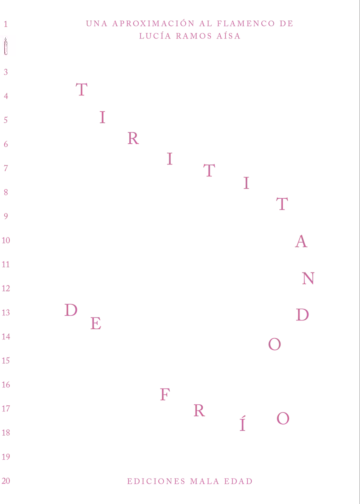
Tirititando de frío de Lucía Ramos Aísa
libros de flamenco

«Tirititando de frío» Lucía Ramós Aísa (libro)

Una aproximación al flamenco de Lucía Ramos Aísa La periodista Lucía Ramos Aísa narra sus vivencias en el flamenco a ...

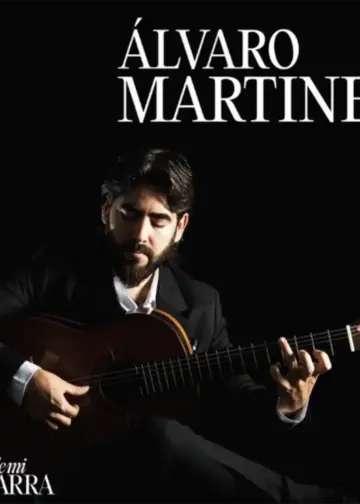
Álvaro Martinente - Sonidos de mi guitarra
cds de flamenco

Álvaro Martinete – Sonido de mi guitarra CD

Álvaro Martinete nace a la música en una tierra que por sí sola es música. Una música que envuelve a ...

Estrella de Manuela - Cantes de otros tiempos CD
cds de flamenco

Estrella de Manuela «Cantes de otros tiempos» – CD

Juventud, divino tesoro. Con apenas diecinueve años y tres discos en el mercado, la aventura de Estrella de Manuela no ...

Nuestro Twitter - Síguenos

Recomendamos

Villanos del Flamenco
Sáb, 20 Jun 2026 - Dom, 12 Jul 2026

Villanos del Flamenco

Mont de Marsan - Festival de arte flamenco
Mar, 30 Jun 2026 - Sáb, 04 Jul 2026

Festival Arte Flamenco de Mont-de-Marsan

Jue, 02 Jul 2026

JESÚS CARMONA «BAILE DE BESTIAS» Villanos del Flamenco

Vie, 03 Jul 2026

CHANO DOMINGUEZ, ANTONIO SERRANO, EL NEGRON TRIO – Villanos del Flamenco

¡No hay eventos!
Facebook Twitter Pinterest Instagram Youtube Twitch Telegram

Aviso Legal / Política de Privacidad / Uso de Cookies
Condiciones de Uso y Normas de Publicación de Anuncios Clasificados

¡Atención! SUSCRIPCIÓN COMPLETA a través de Wordpress.com
Introduce tu correo electrónico y recibirás un email por cada entrada que publiquemos.


Newsletter (envío boletín mensual con Mailchimp)


¿Quiénes somos?
Soporte, publicidad y patrocinio

Mi Cuenta

© 2024 Deflamenco.com - ADN Flamenco Web Services S.L.

Welcome Back!

Login to your account below

Forgotten Password?

Retrieve your password

Please enter your username or email address to reset your password.

Log In
No Result
View All Result
  • REVISTA
    • Noticias de Flamenco
    • Reseñas
    • Entrevistas
    • Especiales
    • Festival de Jerez
    • Opinión
    • De tablao en tablao
    • Moda flamenca
    • Más flamenco
  • AGENDA
    • Flamenco en Madrid
    • Flamenco en Barcelona
    • Flamenco en Andalucía
      • Flamenco en Sevilla
      • Flamenco en Jerez & Cádiz
      • Flamenco en Málaga
      • Flamenco en Córdoba
      • Flamenco en Jaén
      • Flamenco en Huelva
      • Flamenco en Almería
      • Flamenco en Granada
    • Flamenco en España (resto)
      • Flamenco en Aragón
      • Flamenco en Asturias
      • Flamenco en Baleares
      • Flamenco en Canarias
      • Flamenco en Cantabria
      • Flamenco en Castilla la Mancha
      • Flamenco en Castilla-León
      • Flamenco en Ceuta / Melilla
      • Flamenco en Extremadura
      • Flamenco en Galicia
      • Flamenco en La Rioja (Logroño)
      • Flamenco en Murcia
      • Flamenco en Pamplona
      • Flamenco en el País Vasco
      • Flamenco en Valencia
    • Flamenco en Europa
      • Flamenco en Francia
      • Flamenco en Alemania
      • Flamenco en Países Bajos & Bélgica
      • Flamenco en Italia
      • Flamenco en Reino Unido
      • Flamenco en Portugal
      • Flamenco en Suiza
      • Flamenco en Resto de Europa
    • Flamenco en América
      • Flamenco en Canadá
      • Flamenco en Estados Unidos
      • Flamencos en México / Centro América
      • Flamenco en América del Sur
    • Flamenco en el Mundo
      • Flamenco en África
      • Flamenco en Australia
      • Flamenco en Japón & Asia
    • Flamencos EN GIRA
  • CURSOS
    • Cursos Flamenco online
    • Calendario Cursos de Flamenco (general)
    • Cursos Flamenco en Sevilla
    • Cursos de Flamenco en Jerez & Cádiz
    • Cursos Flamenco en Madrid
    • Cursos flamenco en Barcelona
    • Cursos Flamenco en Málaga
  • ARTISTAS
    • Cantaores & cantaoras
    • Guitarristas
    • Bailaores & bailaoras
    • Otros/Grupos
    • Compañias
    • Espectáculos
    • Management
  • MEDIA
    • Twitch – Flamenco live
    • Fotografías
    • Videos
  • GUÍA DE FLAMENCO
    • Escuelas y estudios de Flamenco
    • Tablaos flamencos
    • Teatros, Salas de Concierto
    • Peñas de Flamenco
    • Bares Flamencos, restaurantes
    • Moda Flamenca, complementos
    • Tiendas de Flamenco
    • Guitarrerias, luthiers
  • CATÁLOGO
    • Cds de flamenco
    • Libros de flamenco
    • Dvds de flamenco
    • Vinilos de Flamenco
  • Tablaos
    • Noticias
    • Madrid
      • Donde ver buen flamenco
      • Cardamomo
      • Tablao Flamenco 1911
      • Tablao flamenco La Carmela
      • Tablao Las Carboneras
      • Tablao de la Villa
      • Las Tablas Flamenco Madrid
      • Centro Cultural Flamenco de Madrid
      • Café Ziryab
      • Corral de la Moreria
    • Barcelona
      • Tablao Flamenco Cordobes
      • El Duende by Tablao Cordobes
    • Granada
    • Sevilla
  • [ENGLISH]
    • News
    • Show Reviews
    • Interviews
    • Special Reports
    • Flamenco Shows in Madrid
      • Cardamomo Flamenco Madrid
      • Tablao 1911
      • Las Tablas Flamenco Madrid
      • Centro Cultural Flamenco de Madrid
      • Corral de la Moreria
      • Café Ziryab
    • Flamenco Shows in Barcelona
      • Tablao Flamenco Cordobes
      • El Duende by Tablao Cordobes
    • Special Festival de Jerez
    • Flamenco fashion
    • More flamenco
    • Opinion
    • My Flamenco Year
  • Publicidad
  • –

© 2024 Deflamenco.com - ADN Flamenco Web Services S.L.

Utilizamos cookies para asegurar que damos la mejor experiencia al usuario y obtener estadísticas en nuestro sitio web. Si continúa utilizando este sitio asumiremos que está de acuerdo. Más info: