Flamenco on Fire 2026 Flamenco on Fire 2026
miércoles, 26 agosto 2026
  • [Soporte, publicidad]
  • [Sobre deflamenco]
  • [Faq]
  • [Tienda/Shop]
Revista DeFlamenco.com
Tablao Flamenco 1911 - Madrid
  • REVISTA
    • Noticias de Flamenco
    • Reseñas
    • Entrevistas
    • Especiales
    • Festival de Jerez
    • Opinión
    • De tablao en tablao
    • Moda flamenca
    • Más flamenco
  • AGENDA
    • Flamenco en Madrid
    • Flamenco en Barcelona
    • Flamenco en Andalucía
      • Flamenco en Sevilla
      • Flamenco en Jerez & Cádiz
      • Flamenco en Málaga
      • Flamenco en Córdoba
      • Flamenco en Jaén
      • Flamenco en Huelva
      • Flamenco en Almería
      • Flamenco en Granada
    • Flamenco en España (resto)
      • Flamenco en Aragón
      • Flamenco en Asturias
      • Flamenco en Baleares
      • Flamenco en Canarias
      • Flamenco en Cantabria
      • Flamenco en Castilla la Mancha
      • Flamenco en Castilla-León
      • Flamenco en Ceuta / Melilla
      • Flamenco en Extremadura
      • Flamenco en Galicia
      • Flamenco en La Rioja (Logroño)
      • Flamenco en Murcia
      • Flamenco en Pamplona
      • Flamenco en el País Vasco
      • Flamenco en Valencia
    • Flamenco en Europa
      • Flamenco en Francia
      • Flamenco en Alemania
      • Flamenco en Países Bajos & Bélgica
      • Flamenco en Italia
      • Flamenco en Reino Unido
      • Flamenco en Portugal
      • Flamenco en Suiza
      • Flamenco en Resto de Europa
    • Flamenco en América
      • Flamenco en Canadá
      • Flamenco en Estados Unidos
      • Flamencos en México / Centro América
      • Flamenco en América del Sur
    • Flamenco en el Mundo
      • Flamenco en África
      • Flamenco en Australia
      • Flamenco en Japón & Asia
    • Flamencos EN GIRANew
  • CURSOS
    • Cursos Flamenco online
    • Calendario Cursos de Flamenco (general)
    • Cursos Flamenco en Sevilla
    • Cursos de Flamenco en Jerez & Cádiz
    • Cursos Flamenco en Madrid
    • Cursos flamenco en Barcelona
    • Cursos Flamenco en Málaga
  • ARTISTAS
    • Cantaores & cantaoras
    • Guitarristas
    • Bailaores & bailaoras
    • Otros/Grupos
    • Compañias
    • Espectáculos
    • Management
  • MEDIA
    • Twitch – Flamenco live
    • Fotografías
    • Videos
  • GUÍA DE FLAMENCO
    • Escuelas y estudios de Flamenco
    • Tablaos flamencos
    • Teatros, Salas de Concierto
    • Peñas de Flamenco
    • Bares Flamencos, restaurantes
    • Moda Flamenca, complementos
    • Tiendas de Flamenco
    • Guitarrerias, luthiers
  • CATÁLOGO
    • Cds de flamenco
    • Libros de flamenco
    • Dvds de flamenco
    • Vinilos de Flamenco
  • Tablaos
    • Noticias
    • Madrid
      • Donde ver buen flamenco
      • Cardamomo
      • Tablao Flamenco 1911
      • Tablao flamenco La Carmela
      • Tablao Las Carboneras
      • Tablao de la Villa
      • Las Tablas Flamenco Madrid
      • Centro Cultural Flamenco de Madrid
      • La Cueva de Lola
      • Taberna Flamenca El Cortijo
      • Café Ziryab
      • Corral de la Moreria
    • Barcelona
      • Tablao Flamenco Cordobes
      • El Duende by Tablao Cordobes
    • Granada
    • Sevilla
  • [ENGLISH]
    • News
    • Show Reviews
    • Interviews
    • Special Reports
    • Flamenco Shows in MadridNew
      • Cardamomo Flamenco Madrid
      • Tablao 1911
      • Las Tablas Flamenco Madrid
      • Centro Cultural Flamenco de Madrid
      • Corral de la Moreria
      • Café Ziryab
    • Flamenco Shows in Barcelona
      • Tablao Flamenco Cordobes
      • El Duende by Tablao Cordobes
    • Special Festival de JerezNew
    • Flamenco fashion
    • More flamenco
    • Opinion
    • My Flamenco Year
  • Publicidad
  • –
No Result
View All Result
  • REVISTA
    • Noticias de Flamenco
    • Reseñas
    • Entrevistas
    • Especiales
    • Festival de Jerez
    • Opinión
    • De tablao en tablao
    • Moda flamenca
    • Más flamenco
  • AGENDA
    • Flamenco en Madrid
    • Flamenco en Barcelona
    • Flamenco en Andalucía
      • Flamenco en Sevilla
      • Flamenco en Jerez & Cádiz
      • Flamenco en Málaga
      • Flamenco en Córdoba
      • Flamenco en Jaén
      • Flamenco en Huelva
      • Flamenco en Almería
      • Flamenco en Granada
    • Flamenco en España (resto)
      • Flamenco en Aragón
      • Flamenco en Asturias
      • Flamenco en Baleares
      • Flamenco en Canarias
      • Flamenco en Cantabria
      • Flamenco en Castilla la Mancha
      • Flamenco en Castilla-León
      • Flamenco en Ceuta / Melilla
      • Flamenco en Extremadura
      • Flamenco en Galicia
      • Flamenco en La Rioja (Logroño)
      • Flamenco en Murcia
      • Flamenco en Pamplona
      • Flamenco en el País Vasco
      • Flamenco en Valencia
    • Flamenco en Europa
      • Flamenco en Francia
      • Flamenco en Alemania
      • Flamenco en Países Bajos & Bélgica
      • Flamenco en Italia
      • Flamenco en Reino Unido
      • Flamenco en Portugal
      • Flamenco en Suiza
      • Flamenco en Resto de Europa
    • Flamenco en América
      • Flamenco en Canadá
      • Flamenco en Estados Unidos
      • Flamencos en México / Centro América
      • Flamenco en América del Sur
    • Flamenco en el Mundo
      • Flamenco en África
      • Flamenco en Australia
      • Flamenco en Japón & Asia
    • Flamencos EN GIRANew
  • CURSOS
    • Cursos Flamenco online
    • Calendario Cursos de Flamenco (general)
    • Cursos Flamenco en Sevilla
    • Cursos de Flamenco en Jerez & Cádiz
    • Cursos Flamenco en Madrid
    • Cursos flamenco en Barcelona
    • Cursos Flamenco en Málaga
  • ARTISTAS
    • Cantaores & cantaoras
    • Guitarristas
    • Bailaores & bailaoras
    • Otros/Grupos
    • Compañias
    • Espectáculos
    • Management
  • MEDIA
    • Twitch – Flamenco live
    • Fotografías
    • Videos
  • GUÍA DE FLAMENCO
    • Escuelas y estudios de Flamenco
    • Tablaos flamencos
    • Teatros, Salas de Concierto
    • Peñas de Flamenco
    • Bares Flamencos, restaurantes
    • Moda Flamenca, complementos
    • Tiendas de Flamenco
    • Guitarrerias, luthiers
  • CATÁLOGO
    • Cds de flamenco
    • Libros de flamenco
    • Dvds de flamenco
    • Vinilos de Flamenco
  • Tablaos
    • Noticias
    • Madrid
      • Donde ver buen flamenco
      • Cardamomo
      • Tablao Flamenco 1911
      • Tablao flamenco La Carmela
      • Tablao Las Carboneras
      • Tablao de la Villa
      • Las Tablas Flamenco Madrid
      • Centro Cultural Flamenco de Madrid
      • La Cueva de Lola
      • Taberna Flamenca El Cortijo
      • Café Ziryab
      • Corral de la Moreria
    • Barcelona
      • Tablao Flamenco Cordobes
      • El Duende by Tablao Cordobes
    • Granada
    • Sevilla
  • [ENGLISH]
    • News
    • Show Reviews
    • Interviews
    • Special Reports
    • Flamenco Shows in MadridNew
      • Cardamomo Flamenco Madrid
      • Tablao 1911
      • Las Tablas Flamenco Madrid
      • Centro Cultural Flamenco de Madrid
      • Corral de la Moreria
      • Café Ziryab
    • Flamenco Shows in Barcelona
      • Tablao Flamenco Cordobes
      • El Duende by Tablao Cordobes
    • Special Festival de JerezNew
    • Flamenco fashion
    • More flamenco
    • Opinion
    • My Flamenco Year
  • Publicidad
  • –
No Result
View All Result
Revista DeFlamenco.com
No Result
View All Result
Home Revista Reseñas

II Festival flamenco 'Al Gurugú'. El Arahal Sevilla

by DeFlamenco
24 06 2003
in Reseñas, show-reviews
Comparte en FacebookCanal TelegramComparte en Twitter

 
Other
comments

II Festival
flamenco
«Al Gurugú»

El Arahal (Seville)

Plaza del Santo Cristo,

El Arahal (Sevilla),
Friday, June 20th, 2003, 11:00 p.m.

An old hand and two youngsters for the
second «Al Gurugú» festival

Cante: Antonio Núñez «Chocolate», Guillermo Cano, Laura Vital Guitar:
Antonio Carrión, Eduardo Rebollar

It's not the most important cante festival
in Spain. Nor the oldest. In fact, the modest gathering celebrated
Friday, June 20th, 2003 in El Arahal, Seville is only into its second
edition. «Modest» in means, but not aspirations.

According to oral tradition, if not actual documentation, the
legendary flamenco singer Pastora Pacón Cruz, «La Niña
de los Peines» was born in El Arahal, and her biographer from
the same town, Manuel Bohórquez was in charge of presenting
the second Al Gurugú festival dedicated to the memory of
flamenco's lady of honor, a voice which many people in the know
consider the best of all time, male or female. We don't actually
know why Pastora sang those verses of tangos to the famous mount
which protects the destinies of Melilla and where so many Spaniards
fought for their country, but the tangos del Gurugú are forever
linked to la Niña, and from this the festival takes its name.
Bohórquez explained the organizers' aspirations and plans
for the festival to grow and eventually occupy a place of relevance
in the flamenco panorama. Parallel activities were held throughout
the week, from June 16th to 21st, and the event concluded with the
performance of Arturo Pavón and his show «Treinta años
sin Caracol» [thirty years without Manolo Caracol] with his
daughter Salomé Pavón singing, the guitar of Pepe
Habichuela and Jerez dancer Mercedes Ruiz.

Antonio Carrión's
wise and expressive accompaniment
would receive as much applause as the star singers themselves.


Guillermo Cano con Antonio Carrión

Seville province boasts the dubious honor of being the place on
earth with the highest ratio of bars to inhabitants, but sitting
in El Arahal's charming Plaza del Santo Cristo there was no way
to get a cold beer to combat the oppressive heat that was still
radiating from the thick walls of the old buildings on the shortest
night of the year at eleven p.m. when the festival began. First
up was a young man from Huelva, Guillermo Cano, introduced as a
perpetuator of the school of Niño Marchena, Manuel Vallejo,
Pastora Pavón and other historic figures, who started out
with tientos, or tientos tangos as they say nowadays, with Antonio
Carrión's wise and expressive accompaniment which over the
course of the night would receive as much applause as the star singers
themselves. Cano took care to include the tangos del Gurugú
and ended with styles from Triana. Immediately following, granaína,
a cante which is heard relatively little in festivals within the
geographical triangle where flamenco singing is said to have been
born, a set of classic siguiriyas with the flavor of voices past
and a total rejection of the Camarón school which has so
fascinated young singers for the last three decades. A further indication
of this young man's dedication to past times was seen when he avoided
the typical bulerías ending, opting instead for fandangos
which earned him a standing ovation.

Despite her best efforts,
we were left with
the impression that she would be better suited
to lyrical popular songs than flamenco singing.

The short roster of artists then brought Laura Vital, the girl
from Sanlúcar who won the contest for young interpreters
at Seville's Bienal in 2000. It would be hard to imagine a less
flamenco look, despite the polka dot skirt and red carnation in
her hair. And the contrived appearance was reflected in her singing,
very correct, but prepackaged and cerebral. Nevertheless her Pastora
style of singing went perfectly with the theme of the night in honor
of La Niña de los Peines. By contrast, her guitarist Eduardo
Rebollar didn't stick to traditional accompaniment and inserted
jazz-type chords that were somewhat out of place. Run-of-the-mill
cantiñas and peteneras. An excessively long series of fandangos
in the noble female tone of seven 'por medio' («A» position)
which has a special vitality that 'por arriba' («E-F»
position) does not afford. To end, bulerías complete with
a little dance that had all the looks of a dance school routine,
and you had the distinct feeling she was milking applause, all the
more so when the routine was repeated start to finish in a contrived
reprise. Despite the studious young woman's best efforts, we were
left with the impression that she would be better suited to lyrical
Spanish popular songs than flamenco singing.


Laura Vital con Eduardo Rebollar

We were transported to the Alameda de
Hércules with gooseflesh
raised, and the face of Tomás Pavón seemed to be hovering.

And then the stage was filled with the presence and art of Antonio
Núñez «El Chocolate» with his 70 years of
cante and snazzy electric blue tie. This fundamental component of
the modern history of cante, a child of Spain's lean war years,
the singer that Carmen Amaya advised to quit singing for dancers
because it was a waste of his talent, and winner of the Latin Grammy
began with malagueña del Mellizo. «That's it, Carri»
murmured Chocolate to Antonio Carrión, the young guitarist
who normally accompanies the maestro. With the decades under his
belt, Antonio Núñez takes the liberty of addressing
the audience like a tolerant but unyielding headmaster. When the
crowd begged for fandangos: «noooo…. chocolate-flavored fandangos
are for the end». It was time for our taranto lesson, Torre-flavored
as is typical of singers not from the Levante area where mining
cante originated. Chocolate manages to find that difficult balance
between originality and an absolute respect for tradition. When
he began with the soleá «Tengo el gusto tan colmao»
we were transported to the Alameda de Hércules with gooseflesh
raised, and the face of Tomás Pavón seemed to be hovering.
After the soleá, the class once again begged for fandangos,
but the teach wasn't giving in: «You have to listen to the
basic cantes, if not, you're never going to learn what flamenco
really feels like». The crowd obeyed and in the wings the two
young singers who went before weren't missing a thing. «This
siguiriya is dedicated to the memory of Tomás, Pastora and
el Pinto, the three people who really loved me». Directly to
the crude «Reniego» style, without so much as a warm-up,
with the singer's classic version of the classic Triana style. Following
his mentor's example, and without leaving the neighborhood, «Y
Dios mandó remedio…». Carrión looks happy and
gives his all with Chocolate, at the same time he's careful not
to overplay. What finer ending than «Dos días señalaítos»,
and the teach then decides to offer «a little something from
Málaga» which turns out to be tangos del Piyayo, a mixture
of short styles and one of the old long ones rarely heard any more.
And finally the moment had arrived, somewhat anticlimactically,
for the promised fandangos. The class is happy.


Antonio Núñez 'Chocolate'

And for homework, a round of martinetes between the odd crew, one
old tree and two young shoots. On the way home, the taxi's radio
was playing something called «flamenco chill» and at that
precise moment I took stock of the great privilege I had just enjoyed.

Recordings Antonio
Núñez ' Chocolate'

Text & Photos: Estela
Zatania

Interview
& review CD 'Mis 70 años de cante'


.


Tablao Flamenco 1911 Tablao Flamenco 1911

 
Other
comments

II Festival
flamenco
«Al Gurugú»

El Arahal (Seville)

Plaza del Santo Cristo,

El Arahal (Sevilla),
Friday, June 20th, 2003, 11:00 p.m.

An old hand and two youngsters for the
second «Al Gurugú» festival

Cante: Antonio Núñez «Chocolate», Guillermo Cano, Laura Vital Guitar:
Antonio Carrión, Eduardo Rebollar

It's not the most important cante festival
in Spain. Nor the oldest. In fact, the modest gathering celebrated
Friday, June 20th, 2003 in El Arahal, Seville is only into its second
edition. «Modest» in means, but not aspirations.

According to oral tradition, if not actual documentation, the
legendary flamenco singer Pastora Pacón Cruz, «La Niña
de los Peines» was born in El Arahal, and her biographer from
the same town, Manuel Bohórquez was in charge of presenting
the second Al Gurugú festival dedicated to the memory of
flamenco's lady of honor, a voice which many people in the know
consider the best of all time, male or female. We don't actually
know why Pastora sang those verses of tangos to the famous mount
which protects the destinies of Melilla and where so many Spaniards
fought for their country, but the tangos del Gurugú are forever
linked to la Niña, and from this the festival takes its name.
Bohórquez explained the organizers' aspirations and plans
for the festival to grow and eventually occupy a place of relevance
in the flamenco panorama. Parallel activities were held throughout
the week, from June 16th to 21st, and the event concluded with the
performance of Arturo Pavón and his show «Treinta años
sin Caracol» [thirty years without Manolo Caracol] with his
daughter Salomé Pavón singing, the guitar of Pepe
Habichuela and Jerez dancer Mercedes Ruiz.

Antonio Carrión's
wise and expressive accompaniment
would receive as much applause as the star singers themselves.


Guillermo Cano con Antonio Carrión

Seville province boasts the dubious honor of being the place on
earth with the highest ratio of bars to inhabitants, but sitting
in El Arahal's charming Plaza del Santo Cristo there was no way
to get a cold beer to combat the oppressive heat that was still
radiating from the thick walls of the old buildings on the shortest
night of the year at eleven p.m. when the festival began. First
up was a young man from Huelva, Guillermo Cano, introduced as a
perpetuator of the school of Niño Marchena, Manuel Vallejo,
Pastora Pavón and other historic figures, who started out
with tientos, or tientos tangos as they say nowadays, with Antonio
Carrión's wise and expressive accompaniment which over the
course of the night would receive as much applause as the star singers
themselves. Cano took care to include the tangos del Gurugú
and ended with styles from Triana. Immediately following, granaína,
a cante which is heard relatively little in festivals within the
geographical triangle where flamenco singing is said to have been
born, a set of classic siguiriyas with the flavor of voices past
and a total rejection of the Camarón school which has so
fascinated young singers for the last three decades. A further indication
of this young man's dedication to past times was seen when he avoided
the typical bulerías ending, opting instead for fandangos
which earned him a standing ovation.

Despite her best efforts,
we were left with
the impression that she would be better suited
to lyrical popular songs than flamenco singing.

The short roster of artists then brought Laura Vital, the girl
from Sanlúcar who won the contest for young interpreters
at Seville's Bienal in 2000. It would be hard to imagine a less
flamenco look, despite the polka dot skirt and red carnation in
her hair. And the contrived appearance was reflected in her singing,
very correct, but prepackaged and cerebral. Nevertheless her Pastora
style of singing went perfectly with the theme of the night in honor
of La Niña de los Peines. By contrast, her guitarist Eduardo
Rebollar didn't stick to traditional accompaniment and inserted
jazz-type chords that were somewhat out of place. Run-of-the-mill
cantiñas and peteneras. An excessively long series of fandangos
in the noble female tone of seven 'por medio' («A» position)
which has a special vitality that 'por arriba' («E-F»
position) does not afford. To end, bulerías complete with
a little dance that had all the looks of a dance school routine,
and you had the distinct feeling she was milking applause, all the
more so when the routine was repeated start to finish in a contrived
reprise. Despite the studious young woman's best efforts, we were
left with the impression that she would be better suited to lyrical
Spanish popular songs than flamenco singing.


Laura Vital con Eduardo Rebollar

We were transported to the Alameda de
Hércules with gooseflesh
raised, and the face of Tomás Pavón seemed to be hovering.

And then the stage was filled with the presence and art of Antonio
Núñez «El Chocolate» with his 70 years of
cante and snazzy electric blue tie. This fundamental component of
the modern history of cante, a child of Spain's lean war years,
the singer that Carmen Amaya advised to quit singing for dancers
because it was a waste of his talent, and winner of the Latin Grammy
began with malagueña del Mellizo. «That's it, Carri»
murmured Chocolate to Antonio Carrión, the young guitarist
who normally accompanies the maestro. With the decades under his
belt, Antonio Núñez takes the liberty of addressing
the audience like a tolerant but unyielding headmaster. When the
crowd begged for fandangos: «noooo…. chocolate-flavored fandangos
are for the end». It was time for our taranto lesson, Torre-flavored
as is typical of singers not from the Levante area where mining
cante originated. Chocolate manages to find that difficult balance
between originality and an absolute respect for tradition. When
he began with the soleá «Tengo el gusto tan colmao»
we were transported to the Alameda de Hércules with gooseflesh
raised, and the face of Tomás Pavón seemed to be hovering.
After the soleá, the class once again begged for fandangos,
but the teach wasn't giving in: «You have to listen to the
basic cantes, if not, you're never going to learn what flamenco
really feels like». The crowd obeyed and in the wings the two
young singers who went before weren't missing a thing. «This
siguiriya is dedicated to the memory of Tomás, Pastora and
el Pinto, the three people who really loved me». Directly to
the crude «Reniego» style, without so much as a warm-up,
with the singer's classic version of the classic Triana style. Following
his mentor's example, and without leaving the neighborhood, «Y
Dios mandó remedio…». Carrión looks happy and
gives his all with Chocolate, at the same time he's careful not
to overplay. What finer ending than «Dos días señalaítos»,
and the teach then decides to offer «a little something from
Málaga» which turns out to be tangos del Piyayo, a mixture
of short styles and one of the old long ones rarely heard any more.
And finally the moment had arrived, somewhat anticlimactically,
for the promised fandangos. The class is happy.


Antonio Núñez 'Chocolate'

And for homework, a round of martinetes between the odd crew, one
old tree and two young shoots. On the way home, the taxi's radio
was playing something called «flamenco chill» and at that
precise moment I took stock of the great privilege I had just enjoyed.

Recordings Antonio
Núñez ' Chocolate'

Text & Photos: Estela
Zatania

Interview
& review CD 'Mis 70 años de cante'


.


Descubre más desde Revista DeFlamenco.com

Suscríbete y recibe las últimas entradas en tu correo electrónico.
Previous Post

II Festival Flamenco 'Al Gurugú'. El Arahal Sevilla.

Next Post

Chambao – Endorfinas de la mente

Related Posts

Canal Baila
Noticias

Del 3 de septiembre al 4 de diciembre: Canal Baila desvela sus once estrenos absolutos en los Teatros del Canal

Novedades

El Tagarnina Fest baja el telón con la propuesta más libre de María Moreno en el pórtico del Ayuntamiento de Algodonales

Noticias

Flamenco on Fire rinde en Estella/Lizarra un emotivo homenaje a Pepe Habichuela con Sandra Carrasco y David de Arahal

Next Post
Juan Andres Maya -  'Furia Maya'

Juan Andres Maya - 'Furia Maya', baile, toque y cante

Please login to join discussion
Bienal de Flamenco de Sevilla
Tablao Flamenco 1911 - Madrid
Lorca y Granada
Cardamomo - Tablao Flamenco Madrid
La Cueva de Lola - tablao flamenco
Taberna El Cortijo - tablao flamenco
Tablao flamenco La Carmela - Madrid
Tablao las Carboneras - Madrid
Tablao de la Villa - Madrid
Centro Cultural Flamenco de Madrid
Tablao Flamenco Cordobes - Barcelona
El Duende, tablao flamenco Barcelona by Cordobes
Las Tablas Flamenco Madrid

Más vistos

  • El Tagarnina Fest baja el telón con la propuesta más libre de María Moreno en el pórtico del Ayuntamiento de Algodonales

    434 shares
    Share 174 Tweet 109
  • El Tagarnina Fest abre en Algodonales con una fiesta colectiva por tangos y una gala de Tablao al aire libre

    434 shares
    Share 174 Tweet 109
  • Carmen Amaya inspira una nueva edición del Festival Suma Flamenca centrada en la mujer

    599 shares
    Share 240 Tweet 150
  • Del 3 de septiembre al 4 de diciembre: Canal Baila desvela sus once estrenos absolutos en los Teatros del Canal

    430 shares
    Share 172 Tweet 108
  • Flamenco en los Veranos de la Villa 2026: once citas para el verano madrileño

    846 shares
    Share 338 Tweet 212
cds de flamenco

Alicia Morales recupera el legado de El Mochuelo en su tercer álbum de cante jondo

Hay trabajos discográficos que no aspiran a la novedad sino a la recuperación: traer al presente lo que el tiempo ...

Ibérica - Chico Pérez & Sergio de Lope
cds de flamenco

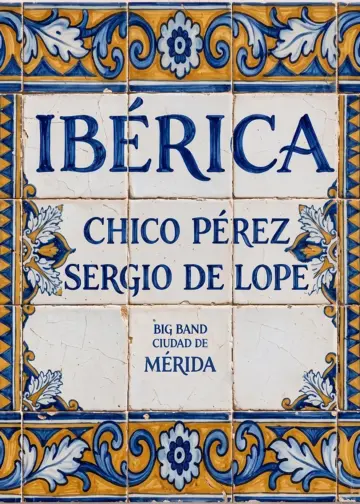
«Ibérica» – Chico Pérez & Sergio de Lope

Ibérica es el nuevo disco del pianista Chico Pérez y del flautista y saxofonista Sergio de Lope, dos artistas que ...

Tirititando de frío de Lucía Ramos Aísa
libros de flamenco

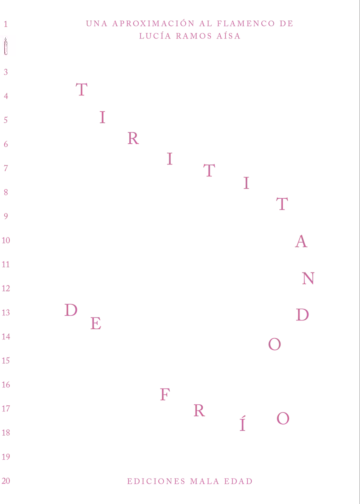
«Tirititando de frío» Lucía Ramós Aísa (libro)

Una aproximación al flamenco de Lucía Ramos Aísa La periodista Lucía Ramos Aísa narra sus vivencias en el flamenco a ...

Álvaro Martinente - Sonidos de mi guitarra
cds de flamenco

Álvaro Martinete – Sonido de mi guitarra CD

Álvaro Martinete nace a la música en una tierra que por sí sola es música. Una música que envuelve a ...

Estrella de Manuela - Cantes de otros tiempos CD
cds de flamenco

Estrella de Manuela «Cantes de otros tiempos» – CD

Juventud, divino tesoro. Con apenas diecinueve años y tres discos en el mercado, la aventura de Estrella de Manuela no ...

Nuestro Twitter - Síguenos

Recomendamos

Vie - Sáb, 21 - 29 Ago 2026

Flamenco on Fire 2026

Flamenco en los Veranos de la Villa
Mié - Jue, 26 - 27 Ago 2026

Flamenco en los Veranos de la Villa

Mié - Sáb, 02 - 05 Sep 2026

LXV Festival de Cante Jondo «Antonio Mairena»

Cartel de la Bienal de Flamenco de SEvilla 2026 - Emilio Morenatti
Mié, 09 Sep 2026 - Sáb, 03 Oct 2026

XXIV Bienal de Flamenco 2026

¡No hay eventos!
Facebook Twitter Pinterest Instagram Youtube Twitch Telegram

Aviso Legal / Política de Privacidad / Uso de Cookies
Condiciones de Uso y Normas de Publicación de Anuncios Clasificados

¡Atención! SUSCRIPCIÓN COMPLETA a través de Wordpress.com
Introduce tu correo electrónico y recibirás un email por cada entrada que publiquemos.


Newsletter (envío boletín mensual con Mailchimp)


¿Quiénes somos?
Soporte, publicidad y patrocinio

Mi Cuenta

© 2024 Deflamenco.com - ADN Flamenco Web Services S.L.

Welcome Back!

Login to your account below

Forgotten Password?

Retrieve your password

Please enter your username or email address to reset your password.

Log In
No Result
View All Result
  • REVISTA
    • Noticias de Flamenco
    • Reseñas
    • Entrevistas
    • Especiales
    • Festival de Jerez
    • Opinión
    • De tablao en tablao
    • Moda flamenca
    • Más flamenco
  • AGENDA
    • Flamenco en Madrid
    • Flamenco en Barcelona
    • Flamenco en Andalucía
      • Flamenco en Sevilla
      • Flamenco en Jerez & Cádiz
      • Flamenco en Málaga
      • Flamenco en Córdoba
      • Flamenco en Jaén
      • Flamenco en Huelva
      • Flamenco en Almería
      • Flamenco en Granada
    • Flamenco en España (resto)
      • Flamenco en Aragón
      • Flamenco en Asturias
      • Flamenco en Baleares
      • Flamenco en Canarias
      • Flamenco en Cantabria
      • Flamenco en Castilla la Mancha
      • Flamenco en Castilla-León
      • Flamenco en Ceuta / Melilla
      • Flamenco en Extremadura
      • Flamenco en Galicia
      • Flamenco en La Rioja (Logroño)
      • Flamenco en Murcia
      • Flamenco en Pamplona
      • Flamenco en el País Vasco
      • Flamenco en Valencia
    • Flamenco en Europa
      • Flamenco en Francia
      • Flamenco en Alemania
      • Flamenco en Países Bajos & Bélgica
      • Flamenco en Italia
      • Flamenco en Reino Unido
      • Flamenco en Portugal
      • Flamenco en Suiza
      • Flamenco en Resto de Europa
    • Flamenco en América
      • Flamenco en Canadá
      • Flamenco en Estados Unidos
      • Flamencos en México / Centro América
      • Flamenco en América del Sur
    • Flamenco en el Mundo
      • Flamenco en África
      • Flamenco en Australia
      • Flamenco en Japón & Asia
    • Flamencos EN GIRA
  • CURSOS
    • Cursos Flamenco online
    • Calendario Cursos de Flamenco (general)
    • Cursos Flamenco en Sevilla
    • Cursos de Flamenco en Jerez & Cádiz
    • Cursos Flamenco en Madrid
    • Cursos flamenco en Barcelona
    • Cursos Flamenco en Málaga
  • ARTISTAS
    • Cantaores & cantaoras
    • Guitarristas
    • Bailaores & bailaoras
    • Otros/Grupos
    • Compañias
    • Espectáculos
    • Management
  • MEDIA
    • Twitch – Flamenco live
    • Fotografías
    • Videos
  • GUÍA DE FLAMENCO
    • Escuelas y estudios de Flamenco
    • Tablaos flamencos
    • Teatros, Salas de Concierto
    • Peñas de Flamenco
    • Bares Flamencos, restaurantes
    • Moda Flamenca, complementos
    • Tiendas de Flamenco
    • Guitarrerias, luthiers
  • CATÁLOGO
    • Cds de flamenco
    • Libros de flamenco
    • Dvds de flamenco
    • Vinilos de Flamenco
  • Tablaos
    • Noticias
    • Madrid
      • Donde ver buen flamenco
      • Cardamomo
      • Tablao Flamenco 1911
      • Tablao flamenco La Carmela
      • Tablao Las Carboneras
      • Tablao de la Villa
      • Las Tablas Flamenco Madrid
      • Centro Cultural Flamenco de Madrid
      • La Cueva de Lola
      • Taberna Flamenca El Cortijo
      • Café Ziryab
      • Corral de la Moreria
    • Barcelona
      • Tablao Flamenco Cordobes
      • El Duende by Tablao Cordobes
    • Granada
    • Sevilla
  • [ENGLISH]
    • News
    • Show Reviews
    • Interviews
    • Special Reports
    • Flamenco Shows in Madrid
      • Cardamomo Flamenco Madrid
      • Tablao 1911
      • Las Tablas Flamenco Madrid
      • Centro Cultural Flamenco de Madrid
      • Corral de la Moreria
      • Café Ziryab
    • Flamenco Shows in Barcelona
      • Tablao Flamenco Cordobes
      • El Duende by Tablao Cordobes
    • Special Festival de Jerez
    • Flamenco fashion
    • More flamenco
    • Opinion
    • My Flamenco Year
  • Publicidad
  • –

© 2024 Deflamenco.com - ADN Flamenco Web Services S.L.

Cargando comentarios...

Debe estar conectado para enviar un comentario.

Utilizamos cookies para asegurar que damos la mejor experiencia al usuario y obtener estadísticas en nuestro sitio web. Si continúa utilizando este sitio asumiremos que está de acuerdo. Más info: