martes, 3 febrero 2026
  • [Soporte, publicidad]
  • [Sobre deflamenco]
  • [Faq]
  • [Tienda/Shop]
Revista DeFlamenco.com
Tablao Flamenco 1911 - Madrid
  • REVISTA
    • Noticias de Flamenco
    • Reseñas
    • Entrevistas
    • Especiales
    • Festival de Jerez
    • Opinión
    • De tablao en tablao
    • Moda flamenca
    • Más flamenco
  • AGENDA
    • CARTELERA
    • Flamenco online
    • Flamenco en Madrid
    • Flamenco en Barcelona
    • Flamenco en Andalucía
      • Flamenco en Sevilla
      • Flamenco en Jerez & Cádiz
      • Flamenco en Málaga
      • Flamenco en Córdoba
      • Flamenco en Jaén
      • Flamenco en Huelva
      • Flamenco en Almería
      • Flamenco en Granada
    • Flamenco en España (resto)
      • Flamenco en Aragón
      • Flamenco en Asturias
      • Flamenco en Baleares
      • Flamenco en Canarias
      • Flamenco en Cantabria
      • Flamenco en Castilla la Mancha
      • Flamenco en Castilla-León
      • Flamenco en Ceuta / Melilla
      • Flamenco en Extremadura
      • Flamenco en Galicia
      • Flamenco en La Rioja (Logroño)
      • Flamenco en Murcia
      • Flamenco en Pamplona
      • Flamenco en el País Vasco
      • Flamenco en Valencia
    • Flamenco en Europa
      • Flamenco en Francia
      • Flamenco en Alemania
      • Flamenco en Países Bajos & Bélgica
      • Flamenco en Italia
      • Flamenco en Reino Unido
      • Flamenco en Portugal
      • Flamenco en Suiza
      • Flamenco en Resto de Europa
    • Flamenco en América
      • Flamenco en Canadá
      • Flamenco en Estados Unidos
      • Flamencos en México / Centro América
      • Flamenco en América del Sur
    • Flamenco en el Mundo
      • Flamenco en África
      • Flamenco en Australia
      • Flamenco en Japón & Asia
    • Flamencos EN GIRANew
  • CURSOS
    • Cursos Flamenco online
    • Calendario Cursos de Flamenco (general)
    • Cursos Flamenco en Sevilla
    • Cursos de Flamenco en Jerez & Cádiz
    • Cursos Flamenco en Madrid
    • Cursos flamenco en Barcelona
    • Cursos Flamenco en Málaga
  • ARTISTAS
    • Cantaores & cantaoras
    • Guitarristas
    • Bailaores & bailaoras
    • Otros/Grupos
    • Compañias
    • Espectáculos
    • Management
  • MEDIA
    • Twitch – Flamenco live
    • Fotografías
    • Videos
  • GUÍA DE FLAMENCO
    • Escuelas y estudios de Flamenco
    • Tablaos flamencos
    • Teatros, Salas de Concierto
    • Peñas de Flamenco
    • Bares Flamencos, restaurantes
    • Moda Flamenca, complementos
    • Tiendas de Flamenco
    • Guitarrerias, luthiers
  • CATÁLOGO
    • Cds de flamenco
    • Libros de flamenco
    • Dvds de flamenco
    • Vinilos de Flamenco
  • Tablaos
    • Noticias
    • Madrid
      • Donde ver buen flamenco
      • Cardamomo
      • Tablao Flamenco 1911
      • Tablao flamenco La Carmela
      • Flamenco de Leones
      • Tablao de la Villa
      • Las Tablas Flamenco Madrid
      • Centro Cultural Flamenco de Madrid
      • Café Ziryab
      • Corral de la Moreria
    • Barcelona
      • Tablao Flamenco Cordobes
      • El Duende by Tablao Cordobes
    • Granada
    • Sevilla
  • [ENGLISH]
    • News
    • Show Reviews
    • Interviews
    • Special Reports
    • Flamenco Shows in MadridNew
      • Cardamomo Flamenco Madrid
      • Tablao 1911
      • Las Tablas Flamenco Madrid
      • Centro Cultural Flamenco de Madrid
      • Corral de la Moreria
      • Café Ziryab
    • Flamenco Shows in Barcelona
      • Tablao Flamenco Cordobes
      • El Duende by Tablao Cordobes
    • Special Festival de JerezNew
    • Flamenco fashion
    • More flamenco
    • Opinion
    • My Flamenco Year
  • TIENDA
    • Cds, libros, vinilos
    • Compra publicidad
  • –
No Result
View All Result
  • REVISTA
    • Noticias de Flamenco
    • Reseñas
    • Entrevistas
    • Especiales
    • Festival de Jerez
    • Opinión
    • De tablao en tablao
    • Moda flamenca
    • Más flamenco
  • AGENDA
    • CARTELERA
    • Flamenco online
    • Flamenco en Madrid
    • Flamenco en Barcelona
    • Flamenco en Andalucía
      • Flamenco en Sevilla
      • Flamenco en Jerez & Cádiz
      • Flamenco en Málaga
      • Flamenco en Córdoba
      • Flamenco en Jaén
      • Flamenco en Huelva
      • Flamenco en Almería
      • Flamenco en Granada
    • Flamenco en España (resto)
      • Flamenco en Aragón
      • Flamenco en Asturias
      • Flamenco en Baleares
      • Flamenco en Canarias
      • Flamenco en Cantabria
      • Flamenco en Castilla la Mancha
      • Flamenco en Castilla-León
      • Flamenco en Ceuta / Melilla
      • Flamenco en Extremadura
      • Flamenco en Galicia
      • Flamenco en La Rioja (Logroño)
      • Flamenco en Murcia
      • Flamenco en Pamplona
      • Flamenco en el País Vasco
      • Flamenco en Valencia
    • Flamenco en Europa
      • Flamenco en Francia
      • Flamenco en Alemania
      • Flamenco en Países Bajos & Bélgica
      • Flamenco en Italia
      • Flamenco en Reino Unido
      • Flamenco en Portugal
      • Flamenco en Suiza
      • Flamenco en Resto de Europa
    • Flamenco en América
      • Flamenco en Canadá
      • Flamenco en Estados Unidos
      • Flamencos en México / Centro América
      • Flamenco en América del Sur
    • Flamenco en el Mundo
      • Flamenco en África
      • Flamenco en Australia
      • Flamenco en Japón & Asia
    • Flamencos EN GIRANew
  • CURSOS
    • Cursos Flamenco online
    • Calendario Cursos de Flamenco (general)
    • Cursos Flamenco en Sevilla
    • Cursos de Flamenco en Jerez & Cádiz
    • Cursos Flamenco en Madrid
    • Cursos flamenco en Barcelona
    • Cursos Flamenco en Málaga
  • ARTISTAS
    • Cantaores & cantaoras
    • Guitarristas
    • Bailaores & bailaoras
    • Otros/Grupos
    • Compañias
    • Espectáculos
    • Management
  • MEDIA
    • Twitch – Flamenco live
    • Fotografías
    • Videos
  • GUÍA DE FLAMENCO
    • Escuelas y estudios de Flamenco
    • Tablaos flamencos
    • Teatros, Salas de Concierto
    • Peñas de Flamenco
    • Bares Flamencos, restaurantes
    • Moda Flamenca, complementos
    • Tiendas de Flamenco
    • Guitarrerias, luthiers
  • CATÁLOGO
    • Cds de flamenco
    • Libros de flamenco
    • Dvds de flamenco
    • Vinilos de Flamenco
  • Tablaos
    • Noticias
    • Madrid
      • Donde ver buen flamenco
      • Cardamomo
      • Tablao Flamenco 1911
      • Tablao flamenco La Carmela
      • Flamenco de Leones
      • Tablao de la Villa
      • Las Tablas Flamenco Madrid
      • Centro Cultural Flamenco de Madrid
      • Café Ziryab
      • Corral de la Moreria
    • Barcelona
      • Tablao Flamenco Cordobes
      • El Duende by Tablao Cordobes
    • Granada
    • Sevilla
  • [ENGLISH]
    • News
    • Show Reviews
    • Interviews
    • Special Reports
    • Flamenco Shows in MadridNew
      • Cardamomo Flamenco Madrid
      • Tablao 1911
      • Las Tablas Flamenco Madrid
      • Centro Cultural Flamenco de Madrid
      • Corral de la Moreria
      • Café Ziryab
    • Flamenco Shows in Barcelona
      • Tablao Flamenco Cordobes
      • El Duende by Tablao Cordobes
    • Special Festival de JerezNew
    • Flamenco fashion
    • More flamenco
    • Opinion
    • My Flamenco Year
  • TIENDA
    • Cds, libros, vinilos
    • Compra publicidad
  • –
No Result
View All Result
Revista DeFlamenco.com
No Result
View All Result
Home Revista Entrevistas

Interview with Israel Galván. Flamenco Dancer

by DeFlamenco
22 07 2005
in Entrevistas, Interviews
Comparte en FacebookCanal TelegramComparte en Twitter


Interview
with

ISRAEL GALVÁN


“My goal is always
to start from scratch”

Text: Manuel Moraga
Photos : Rafael Manjavacas

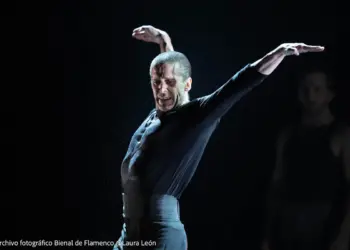
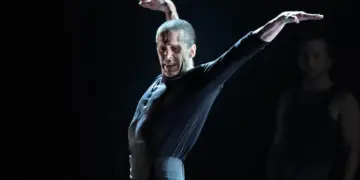
Rejecting routine, Israel Galván is
a one-man think tank. Enemy of cliché, he directs
his energy towards developing concepts. His raw material
is flamenco, but his intellectual scalpel dissects the
essence. He descends from flamenco atoms to create a
very personal syntax. His stage personality has the
deadpan projection of Buster Keaton, and the dynamic
mobility of Picasso’s figures.

Making a parallel to cinema,
is what you do “author’s dance”?

I like films a lot. I don’t try to create any
style of dance or evolution. I am who I am, who I’ve
always been. It’s people themselves who, without
realizing it, look for meaning in my dance, but I’m
the same person I ever was. In any case, since I enjoy
“author’s cinema”, the comment is
flattering.

More parallels. Master chef
Adriá has a creativity largely based on the deconstruction
of traditional dishes and the establishment of relationships
between apparently opposing concepts. Does your work
follow a similar line?

I think you can squeeze a lot out of flamenco dance.
There are concepts that have never been used and what
I try to do is look for a place where I can feel comfortable.
And yes, I enjoy the art of surgery: taking the part
where the dancer dances, to the words the voice produces
to elaborate upon that. Just like in footwork…elaborate
upon it, not do a standard dance…which is fine too.
I carry out a small bit of surgery will the different
parts of a dance.

“Easy things
are the hardest”

For example, in “La
Edad de Oro” you don’t beat around the bush,
you just dig in to the cante or the guitar.

I see it as a direct line. I think you can dance soleá
perfectly in one minute. In a minute you can dance a
soleá that really communicates something, just
as if it were twenty minutes. That’s one of my
concepts in “La Edad de Oro”.

You create unaccustomed feelings.
Your audiences feel things that aren’t the usual
in flamenco dance.

Yes, I notice that. I’m not actually that conscious
of it, but it’s true. What I like to do when I
set dances is create a different ambience, and when
one thing finishes, change straightaway to another.
Maybe I deprive the audience of digesting the last closing.
It’s possible people are still thinking of the
last thing they saw when the next thing begins. But
I’m not really aware of it. What I really like
is to have a wide variety of emotions. For example,
there are spots in the show where people always laugh,
not to ridicule (or who knows, maybe that too), but
because flamenco is also very pungent and powerful.
From a perspective of sobriety I can see that that touch
of humor has to be first class, the irony of flamenco.

“I always have the
feeling I never reach a goal, nor do I really want to”

Speaking of feelings, on
stage you look like an actor, aside from being a dancer.
When you stand still, when you look out into space,
when you fix your eyes and ears on the singing, you’re
an actor. The theater persona is always activated, even
when there’s no movement.

In my current choreographies, the steps are just a vehicle
to create dance. No matter how many pretty steps, or
how complicated, you have to be dancing from the first
moment you step on stage. You have to be dancing without
actually dancing, at least that’s what I’m
thinking at this precise moment. I might change my mind
later. For now, that’s what there is, going out
on stage and already you’re dancing. There’s
a lot of dance in being still. Even more than in the
steps.

The uninitiated who watch
you, applaud. Those of us who analyze your approach
from different perspectives, applaud. But in between
there’s a large group of people, more or less
interested in flamenco, who don’t quite know how
to react.

Yes. Those audiences exist. There are people who like
to analyze things, they have that need. There are also
those who like flamenco, but arrive with a blank slate,
a clean hard disk, no prejudices. If you offer these
people a series of images, like in films, they can decide
if it’s good or bad. Then there’s the other
part of the medium. There are a lot of bad habits in
flamenco. Well, there’s everything, but what I
mean in this case is a kind of rut, an inertia towards
repeating structures, to such an extent that breaking
the mold, one way or another, can be an annoyance.

“Before getting
into the studio with my dance boots, I need to have
a clear idea of what I don’t want to do”

Would you say that what
for some is a challenge, for you is a starting point?

I always have the feeling of starting from scratch.
When I finish something where I’ve been learning
and suffering a lot of changes inside my body (technical
changes, not evolution), I have the feeling that I never
reach a goal, nor do I really want to. I like the idea
of starting from scratch because it gives me freedom
and it’s like being purged. Although I think it’s
fine the way they danced thirty years ago, what I don’t
like is feeling bound to that structure, knowing I can’t
go on to do other things; I don’t like knowing
personally and artistically what my life is going to
be or what I’m going to enjoy dancing. It’s
suffocating to have a predetermined destiny. My goal
is always to start from scratch.

How do you go about putting
things together? Do you start with a basic idea you
develop searching for the necessary elements, or do
you work certain angles until you reach an idea…or
a little of both? What’s the creative process?

Lots of times you do something and then you find something
else, but before putting on the dance shoes, I tend
to have an initial reference point, although it might
come out completely different later on. But I don’t
like the idea of “I know what I’m going
to do”, but rather I try to have a clear idea
of what I don’t want to do. Before getting into
the studio with my dance boots, I need to have a clear
idea of what I don’t want to do”.

What maestros have influenced
you most? I don’t mean learning steps or techniques,
but getting into your head and influencing your approach.

The happiest I’ve been dancing is when I’ve
found my own self, although deep inside I don’t
really know if I’ve really found myself. But my
father taught me and afterwards, the maestros I’ve
spent time with and who surely left their mark are Mario
Maya and Manuel Soler, these are the people I spent
the most time with and they surely made an impression.

“It’s
possible you dance better if you don’t think too
much about it”

Where are you at artistically?
Last year we put two shows together and now is the time
to reflect and work on them. I think this cooling-off
period is necessary, when you don’t do anything,
you just dance what you’ve created, although you’re
always assimilating an influx of information. But at
this point in time I don’t feel compelled to create
anything new. I feel good, a maturity I hope will grow…although
maybe you dance better when you don’t think about
it too much.

What is your horizon?
I want to work the ideas that come into my head and
enjoy them. I don’t want to be the kind of dancer
who’s continually circling the globe in an airplane.
I’ve got more than enough if I just go out once
in a while and dance. Three shows a month is all I need.
And what I don’t want is to get bored of dancing,
I need to keep my spirit strong and well to feel alive
in my creation.

Do your works remain current?

They’re always changing. Even one I did a long
time ago, “The Red Shoes”, I want to go
back and rework it a bit, just like “La Metamorfosis”.
The years pass and I think shows become understood after
a time. You make them, and after ten years you say “Wow!
it wasn’t like that at all!” If they let
me interpret previously mounted choreographies with
a new take, I’ll do it. These works need some
down time.

“These works need
some down time”

What can we expect of “Arena”?
It’s a show based on dance and which is musically
very rich. There are six dances and each one has a different
musical setting. It all strikes me as very flamenco
and very profound. A lot of work went into it. Whether
or not anyone likes it, you can tell how much work there
is there. It’s based on the world of bullfighting,
but you won’t see a dancer dressed up like a bullfighter,
but rather there’s a somewhat more abstract or
profound perspective. I did it because I thought there
was a unifying concept between bullfighting and dance
which hadn’t been explored, or had only been superficially
dealt with, always from the viewpoint of the torero,
while I express the bull’s perspective. This show
has a lot of references from the world of bullfighting,
which is very rich, it’s a very complex universe.
Bullfight fans realize this. It’s a fusion of
dance, music and the bull.

You can tell there is a profound
respect for the singing and the guitar…

Even more so as time passes. The passage of time lets
you realize things you hadn’t realized before.
I think simple things are the most difficult to achieve,
and with a singer and a guitarist you can do endless
things, and go further with a diversity of elements.
Studying and searching for the way to make it all come
together, changing the concept of the shows, you can
create sensations that other shows with big budgets
might not allow.


More information:

XIII
Festival Flamenco Caja Madrid. 2005. Carmen Linares
– Israel Galván

XIII
Bienal de Flamenco de Sevilla. 'Arena' -Seis coreografías
de Israel Galván para el mundo de los toros-


Tablao Flamenco 1911 Tablao Flamenco 1911


Interview
with

ISRAEL GALVÁN


“My goal is always
to start from scratch”

Text: Manuel Moraga
Photos : Rafael Manjavacas

Rejecting routine, Israel Galván is
a one-man think tank. Enemy of cliché, he directs
his energy towards developing concepts. His raw material
is flamenco, but his intellectual scalpel dissects the
essence. He descends from flamenco atoms to create a
very personal syntax. His stage personality has the
deadpan projection of Buster Keaton, and the dynamic
mobility of Picasso’s figures.

Making a parallel to cinema,
is what you do “author’s dance”?

I like films a lot. I don’t try to create any
style of dance or evolution. I am who I am, who I’ve
always been. It’s people themselves who, without
realizing it, look for meaning in my dance, but I’m
the same person I ever was. In any case, since I enjoy
“author’s cinema”, the comment is
flattering.

More parallels. Master chef
Adriá has a creativity largely based on the deconstruction
of traditional dishes and the establishment of relationships
between apparently opposing concepts. Does your work
follow a similar line?

I think you can squeeze a lot out of flamenco dance.
There are concepts that have never been used and what
I try to do is look for a place where I can feel comfortable.
And yes, I enjoy the art of surgery: taking the part
where the dancer dances, to the words the voice produces
to elaborate upon that. Just like in footwork…elaborate
upon it, not do a standard dance…which is fine too.
I carry out a small bit of surgery will the different
parts of a dance.

“Easy things
are the hardest”

For example, in “La
Edad de Oro” you don’t beat around the bush,
you just dig in to the cante or the guitar.

I see it as a direct line. I think you can dance soleá
perfectly in one minute. In a minute you can dance a
soleá that really communicates something, just
as if it were twenty minutes. That’s one of my
concepts in “La Edad de Oro”.

You create unaccustomed feelings.
Your audiences feel things that aren’t the usual
in flamenco dance.

Yes, I notice that. I’m not actually that conscious
of it, but it’s true. What I like to do when I
set dances is create a different ambience, and when
one thing finishes, change straightaway to another.
Maybe I deprive the audience of digesting the last closing.
It’s possible people are still thinking of the
last thing they saw when the next thing begins. But
I’m not really aware of it. What I really like
is to have a wide variety of emotions. For example,
there are spots in the show where people always laugh,
not to ridicule (or who knows, maybe that too), but
because flamenco is also very pungent and powerful.
From a perspective of sobriety I can see that that touch
of humor has to be first class, the irony of flamenco.

“I always have the
feeling I never reach a goal, nor do I really want to”

Speaking of feelings, on
stage you look like an actor, aside from being a dancer.
When you stand still, when you look out into space,
when you fix your eyes and ears on the singing, you’re
an actor. The theater persona is always activated, even
when there’s no movement.

In my current choreographies, the steps are just a vehicle
to create dance. No matter how many pretty steps, or
how complicated, you have to be dancing from the first
moment you step on stage. You have to be dancing without
actually dancing, at least that’s what I’m
thinking at this precise moment. I might change my mind
later. For now, that’s what there is, going out
on stage and already you’re dancing. There’s
a lot of dance in being still. Even more than in the
steps.

The uninitiated who watch
you, applaud. Those of us who analyze your approach
from different perspectives, applaud. But in between
there’s a large group of people, more or less
interested in flamenco, who don’t quite know how
to react.

Yes. Those audiences exist. There are people who like
to analyze things, they have that need. There are also
those who like flamenco, but arrive with a blank slate,
a clean hard disk, no prejudices. If you offer these
people a series of images, like in films, they can decide
if it’s good or bad. Then there’s the other
part of the medium. There are a lot of bad habits in
flamenco. Well, there’s everything, but what I
mean in this case is a kind of rut, an inertia towards
repeating structures, to such an extent that breaking
the mold, one way or another, can be an annoyance.

“Before getting
into the studio with my dance boots, I need to have
a clear idea of what I don’t want to do”

Would you say that what
for some is a challenge, for you is a starting point?

I always have the feeling of starting from scratch.
When I finish something where I’ve been learning
and suffering a lot of changes inside my body (technical
changes, not evolution), I have the feeling that I never
reach a goal, nor do I really want to. I like the idea
of starting from scratch because it gives me freedom
and it’s like being purged. Although I think it’s
fine the way they danced thirty years ago, what I don’t
like is feeling bound to that structure, knowing I can’t
go on to do other things; I don’t like knowing
personally and artistically what my life is going to
be or what I’m going to enjoy dancing. It’s
suffocating to have a predetermined destiny. My goal
is always to start from scratch.

How do you go about putting
things together? Do you start with a basic idea you
develop searching for the necessary elements, or do
you work certain angles until you reach an idea…or
a little of both? What’s the creative process?

Lots of times you do something and then you find something
else, but before putting on the dance shoes, I tend
to have an initial reference point, although it might
come out completely different later on. But I don’t
like the idea of “I know what I’m going
to do”, but rather I try to have a clear idea
of what I don’t want to do. Before getting into
the studio with my dance boots, I need to have a clear
idea of what I don’t want to do”.

What maestros have influenced
you most? I don’t mean learning steps or techniques,
but getting into your head and influencing your approach.

The happiest I’ve been dancing is when I’ve
found my own self, although deep inside I don’t
really know if I’ve really found myself. But my
father taught me and afterwards, the maestros I’ve
spent time with and who surely left their mark are Mario
Maya and Manuel Soler, these are the people I spent
the most time with and they surely made an impression.

“It’s
possible you dance better if you don’t think too
much about it”

Where are you at artistically?
Last year we put two shows together and now is the time
to reflect and work on them. I think this cooling-off
period is necessary, when you don’t do anything,
you just dance what you’ve created, although you’re
always assimilating an influx of information. But at
this point in time I don’t feel compelled to create
anything new. I feel good, a maturity I hope will grow…although
maybe you dance better when you don’t think about
it too much.

What is your horizon?
I want to work the ideas that come into my head and
enjoy them. I don’t want to be the kind of dancer
who’s continually circling the globe in an airplane.
I’ve got more than enough if I just go out once
in a while and dance. Three shows a month is all I need.
And what I don’t want is to get bored of dancing,
I need to keep my spirit strong and well to feel alive
in my creation.

Do your works remain current?

They’re always changing. Even one I did a long
time ago, “The Red Shoes”, I want to go
back and rework it a bit, just like “La Metamorfosis”.
The years pass and I think shows become understood after
a time. You make them, and after ten years you say “Wow!
it wasn’t like that at all!” If they let
me interpret previously mounted choreographies with
a new take, I’ll do it. These works need some
down time.

“These works need
some down time”

What can we expect of “Arena”?
It’s a show based on dance and which is musically
very rich. There are six dances and each one has a different
musical setting. It all strikes me as very flamenco
and very profound. A lot of work went into it. Whether
or not anyone likes it, you can tell how much work there
is there. It’s based on the world of bullfighting,
but you won’t see a dancer dressed up like a bullfighter,
but rather there’s a somewhat more abstract or
profound perspective. I did it because I thought there
was a unifying concept between bullfighting and dance
which hadn’t been explored, or had only been superficially
dealt with, always from the viewpoint of the torero,
while I express the bull’s perspective. This show
has a lot of references from the world of bullfighting,
which is very rich, it’s a very complex universe.
Bullfight fans realize this. It’s a fusion of
dance, music and the bull.

You can tell there is a profound
respect for the singing and the guitar…

Even more so as time passes. The passage of time lets
you realize things you hadn’t realized before.
I think simple things are the most difficult to achieve,
and with a singer and a guitarist you can do endless
things, and go further with a diversity of elements.
Studying and searching for the way to make it all come
together, changing the concept of the shows, you can
create sensations that other shows with big budgets
might not allow.


More information:

XIII
Festival Flamenco Caja Madrid. 2005. Carmen Linares
– Israel Galván

XIII
Bienal de Flamenco de Sevilla. 'Arena' -Seis coreografías
de Israel Galván para el mundo de los toros-


Descubre más desde Revista DeFlamenco.com

Suscríbete y recibe las últimas entradas en tu correo electrónico.

Previous Post

Antonio Núñez 'Chocolate' 1930-2005

Next Post

Paco de Lucía – Libro de partituras de Paco de Lucía ‘Fuente y Caudal’

Related Posts

Manuel Liñán - Muerta de amor - Festival de Jerez
Entrevistas

Manuel Liñán, bailaor: «He recibido violencia en redes, pero también una avalancha de apoyo»

Noticias

Flamenco Festival Nueva York celebra 25 años de una historia de amor compartida

David Coria & Florencia Oz - Homenaje 70 años Corral de la Moreria - Teatros del Canal
Noticias

‘Entrelíneas’: flamenco que conjura al miedo en el tablao de los Teatros del Canal

Next Post
Paco de Lucía -  Libro de partituras de Paco de Lucía 'Fuente y Caudal'

Paco de Lucía - Libro de partituras de Paco de Lucía 'Fuente y Caudal'

Please login to join discussion
Sonia Miranda - Aitana Rousseau - Flamenco Real en el Teatro Real
Tablao Flamenco 1911 - Madrid
Cardamomo - Tablao Flamenco Madrid
Tablao flamenco La Carmela - Madrid
Tablao de la Villa - Madrid
Centro Cultural Flamenco de Madrid
Tablao Flamenco Cordobes - 55 aniversario
El Duende, tablao flamenco Barcelona by Cordobes
Las Tablas Flamenco Madrid

Más vistos

  • AIEnRuta-Flamencos 2026: así es la nueva generación que recorrerá España

    461 shares
    Share 184 Tweet 115
  • Carlos Granados «El Festival de Jerez es un organismo vivo: hay que tomarle el pulso todos los días»

    448 shares
    Share 179 Tweet 112
  • ‘Entrelíneas’: flamenco que conjura al miedo en el tablao de los Teatros del Canal

    446 shares
    Share 178 Tweet 112
  • El 45 Festival de la Guitarra de Córdoba se inaugura con Vicente Amigo como gran protagonista

    454 shares
    Share 182 Tweet 114
  • Flamenco Festival Nueva York celebra 25 años de una historia de amor compartida

    437 shares
    Share 175 Tweet 109
Alejandro Hurtado - El Primer llanto cd
cds de flamenco

“El Primer Llanto” de Alejandro Hurtado

Tercer disco en tres años y segundo de composiciones propias, el guitarrista Alejandro Hurtado (Alicante, 1994) vuelve a impactar y ...

Juan Medina - Fugaz
cds de flamenco

Juan Medina regresa con “Fugaz”, un viaje entre el flamenco y el jazz

El guitarrista y compositor Juan Medina —antes conocido artísticamente como Juanito Makandé— presenta su nuevo trabajo discográfico Fugaz (Satélite K, ...

Maria Jesús Cortés
cds de flamenco

“A cal y canto” – María Jesús Cortés

La artista cordobesa, conocida como “la Lola Flores de Puente Genil”, publica su primer trabajo discográfico con ocho temas que ...

Paco Cepero - Repasando mi vida - libro
libros de flamenco

Paco Cepero: repasando mi vida

Almuzara publica Paco Cepero: repasando mi vida escrita por Francisco CuaresmaFrancisco Cuaresma recoge la biografía del legendario guitarrista jerezano Paco ...

Suite Flamenca - Cofiner - Diego Amador
cds de flamenco

Suite flamenca, Enrique E.Cofiner por Diego Amador

Una obra original de Enrique E.Cofiner, versionada e interpretada por Diego Amador Suite Flamenca es una mirada innovadora que fusiona ...

Nuestro Twitter - Síguenos

Recomendamos

Elipa Flamenco 26
Jue - Sáb, 05 - 07 Feb 2026

Elipa Flamenca ’26

Manuel Liñán - Muerta de amor - La Unión
Jue - Dom, 05 - 08 Feb 2026

Muerta de amor – Manuel Liñán – Teatro de la Zarzuela

Elipa Flamenco 26
Vie - Sáb, 13 - 14 Feb 2026

Elipa Flamenca ’26

Laura Vital - foto Marta Vilà
Vie, 13 Feb 2026

Laura Vital trae “Mujeres de sal”, un homenaje a la mujer flamenca en la Casa de Granada de Madrid

Sonia Miranda & Aitana Rousseau
Mié - Vie, 18 - 20 Feb 2026

Sonia Miranda y Aitana Rousseau “Maridaje” – Flamenco Real

¡No hay eventos!
Facebook Twitter Pinterest Instagram Youtube Twitch Telegram

Aviso Legal / Política de Privacidad / Uso de Cookies
Condiciones de Uso y Normas de Publicación de Anuncios Clasificados

¡Atención! SUSCRIPCIÓN COMPLETA a través de Wordpress.com
Introduce tu correo electrónico y recibirás un email por cada entrada que publiquemos.


Newsletter (envío boletín mensual con Mailchimp)


¿Quiénes somos?
Soporte, publicidad y patrocinio

Mi Cuenta

© 2024 Deflamenco.com - ADN Flamenco Web Services S.L.

Welcome Back!

Login to your account below

Forgotten Password?

Retrieve your password

Please enter your username or email address to reset your password.

Log In
No Result
View All Result
  • REVISTA
    • Noticias de Flamenco
    • Reseñas
    • Entrevistas
    • Especiales
    • Festival de Jerez
    • Opinión
    • De tablao en tablao
    • Moda flamenca
    • Más flamenco
  • AGENDA
    • CARTELERA
    • Flamenco online
    • Flamenco en Madrid
    • Flamenco en Barcelona
    • Flamenco en Andalucía
      • Flamenco en Sevilla
      • Flamenco en Jerez & Cádiz
      • Flamenco en Málaga
      • Flamenco en Córdoba
      • Flamenco en Jaén
      • Flamenco en Huelva
      • Flamenco en Almería
      • Flamenco en Granada
    • Flamenco en España (resto)
      • Flamenco en Aragón
      • Flamenco en Asturias
      • Flamenco en Baleares
      • Flamenco en Canarias
      • Flamenco en Cantabria
      • Flamenco en Castilla la Mancha
      • Flamenco en Castilla-León
      • Flamenco en Ceuta / Melilla
      • Flamenco en Extremadura
      • Flamenco en Galicia
      • Flamenco en La Rioja (Logroño)
      • Flamenco en Murcia
      • Flamenco en Pamplona
      • Flamenco en el País Vasco
      • Flamenco en Valencia
    • Flamenco en Europa
      • Flamenco en Francia
      • Flamenco en Alemania
      • Flamenco en Países Bajos & Bélgica
      • Flamenco en Italia
      • Flamenco en Reino Unido
      • Flamenco en Portugal
      • Flamenco en Suiza
      • Flamenco en Resto de Europa
    • Flamenco en América
      • Flamenco en Canadá
      • Flamenco en Estados Unidos
      • Flamencos en México / Centro América
      • Flamenco en América del Sur
    • Flamenco en el Mundo
      • Flamenco en África
      • Flamenco en Australia
      • Flamenco en Japón & Asia
    • Flamencos EN GIRA
  • CURSOS
    • Cursos Flamenco online
    • Calendario Cursos de Flamenco (general)
    • Cursos Flamenco en Sevilla
    • Cursos de Flamenco en Jerez & Cádiz
    • Cursos Flamenco en Madrid
    • Cursos flamenco en Barcelona
    • Cursos Flamenco en Málaga
  • ARTISTAS
    • Cantaores & cantaoras
    • Guitarristas
    • Bailaores & bailaoras
    • Otros/Grupos
    • Compañias
    • Espectáculos
    • Management
  • MEDIA
    • Twitch – Flamenco live
    • Fotografías
    • Videos
  • GUÍA DE FLAMENCO
    • Escuelas y estudios de Flamenco
    • Tablaos flamencos
    • Teatros, Salas de Concierto
    • Peñas de Flamenco
    • Bares Flamencos, restaurantes
    • Moda Flamenca, complementos
    • Tiendas de Flamenco
    • Guitarrerias, luthiers
  • CATÁLOGO
    • Cds de flamenco
    • Libros de flamenco
    • Dvds de flamenco
    • Vinilos de Flamenco
  • Tablaos
    • Noticias
    • Madrid
      • Donde ver buen flamenco
      • Cardamomo
      • Tablao Flamenco 1911
      • Tablao flamenco La Carmela
      • Flamenco de Leones
      • Tablao de la Villa
      • Las Tablas Flamenco Madrid
      • Centro Cultural Flamenco de Madrid
      • Café Ziryab
      • Corral de la Moreria
    • Barcelona
      • Tablao Flamenco Cordobes
      • El Duende by Tablao Cordobes
    • Granada
    • Sevilla
  • [ENGLISH]
    • News
    • Show Reviews
    • Interviews
    • Special Reports
    • Flamenco Shows in Madrid
      • Cardamomo Flamenco Madrid
      • Tablao 1911
      • Las Tablas Flamenco Madrid
      • Centro Cultural Flamenco de Madrid
      • Corral de la Moreria
      • Café Ziryab
    • Flamenco Shows in Barcelona
      • Tablao Flamenco Cordobes
      • El Duende by Tablao Cordobes
    • Special Festival de Jerez
    • Flamenco fashion
    • More flamenco
    • Opinion
    • My Flamenco Year
  • TIENDA
    • Cds, libros, vinilos
    • Compra publicidad
  • –

© 2024 Deflamenco.com - ADN Flamenco Web Services S.L.


Cargando comentarios...
 

Debe estar conectado para enviar un comentario.

    Utilizamos cookies para asegurar que damos la mejor experiencia al usuario y obtener estadísticas en nuestro sitio web. Si continúa utilizando este sitio asumiremos que está de acuerdo. Más info: