
viernes, 5 diciembre 2025
  • [Soporte, publicidad]
  • [Sobre deflamenco]
  • [Faq]
  • [Tienda/Shop]
Revista DeFlamenco.com
Tablao Flamenco 1911 - Madrid
  • REVISTA
    • Noticias de Flamenco
    • Reseñas
    • Entrevistas
    • Especiales
    • Festival de Jerez
    • Opinión
    • De tablao en tablao
    • Moda flamenca
    • Más flamenco
  • AGENDA
    • CARTELERA
    • Flamenco online
    • Flamenco en Madrid
    • Flamenco en Barcelona
    • Flamenco en Andalucía
      • Flamenco en Sevilla
      • Flamenco en Jerez & Cádiz
      • Flamenco en Málaga
      • Flamenco en Córdoba
      • Flamenco en Jaén
      • Flamenco en Huelva
      • Flamenco en Almería
      • Flamenco en Granada
    • Flamenco en España (resto)
      • Flamenco en Aragón
      • Flamenco en Asturias
      • Flamenco en Baleares
      • Flamenco en Canarias
      • Flamenco en Cantabria
      • Flamenco en Castilla la Mancha
      • Flamenco en Castilla-León
      • Flamenco en Ceuta / Melilla
      • Flamenco en Extremadura
      • Flamenco en Galicia
      • Flamenco en La Rioja (Logroño)
      • Flamenco en Murcia
      • Flamenco en Pamplona
      • Flamenco en el País Vasco
      • Flamenco en Valencia
    • Flamenco en Europa
      • Flamenco en Francia
      • Flamenco en Alemania
      • Flamenco en Países Bajos & Bélgica
      • Flamenco en Italia
      • Flamenco en Reino Unido
      • Flamenco en Portugal
      • Flamenco en Suiza
      • Flamenco en Resto de Europa
    • Flamenco en América
      • Flamenco en Canadá
      • Flamenco en Estados Unidos
      • Flamencos en México / Centro América
      • Flamenco en América del Sur
    • Flamenco en el Mundo
      • Flamenco en África
      • Flamenco en Australia
      • Flamenco en Japón & Asia
    • Flamencos EN GIRANew
  • CURSOS
    • Cursos Flamenco online
    • Calendario Cursos de Flamenco (general)
    • Cursos Flamenco en Sevilla
    • Cursos de Flamenco en Jerez & Cádiz
    • Cursos Flamenco en Madrid
    • Cursos flamenco en Barcelona
    • Cursos Flamenco en Málaga
  • ARTISTAS
    • Cantaores & cantaoras
    • Guitarristas
    • Bailaores & bailaoras
    • Otros/Grupos
    • Compañias
    • Espectáculos
    • Management
  • MEDIA
    • Twitch – Flamenco live
    • Fotografías
    • Videos
  • GUÍA DE FLAMENCO
    • Escuelas y estudios de Flamenco
    • Tablaos flamencos
    • Teatros, Salas de Concierto
    • Peñas de Flamenco
    • Bares Flamencos, restaurantes
    • Moda Flamenca, complementos
    • Tiendas de Flamenco
    • Guitarrerias, luthiers
  • CATÁLOGO
    • Cds de flamenco
    • Libros de flamenco
    • Dvds de flamenco
    • Vinilos de Flamenco
  • Tablaos
    • Noticias
    • Madrid
      • Donde ver buen flamenco
      • Cardamomo
      • Tablao Flamenco 1911
      • Tablao flamenco La Carmela
      • Flamenco de Leones
      • Tablao de la Villa
      • Las Tablas Flamenco Madrid
      • Centro Cultural Flamenco de Madrid
      • Café Ziryab
      • Corral de la Moreria
    • Barcelona
      • Tablao Flamenco Cordobes
      • El Duende by Tablao Cordobes
    • Granada
    • Sevilla
  • [ENGLISH]
    • News
    • Show Reviews
    • Interviews
    • Special Reports
    • Flamenco Shows in MadridNew
      • Cardamomo Flamenco Madrid
      • Tablao 1911
      • Las Tablas Flamenco Madrid
      • Centro Cultural Flamenco de Madrid
      • Corral de la Moreria
      • Café Ziryab
    • Flamenco Shows in Barcelona
      • Tablao Flamenco Cordobes
      • El Duende by Tablao Cordobes
    • Special Festival de JerezNew
    • Flamenco fashion
    • More flamenco
    • Opinion
    • My Flamenco Year
  • TIENDA
    • Cds, libros, vinilos
    • Compra publicidad
  • –
No Result
View All Result
  • REVISTA
    • Noticias de Flamenco
    • Reseñas
    • Entrevistas
    • Especiales
    • Festival de Jerez
    • Opinión
    • De tablao en tablao
    • Moda flamenca
    • Más flamenco
  • AGENDA
    • CARTELERA
    • Flamenco online
    • Flamenco en Madrid
    • Flamenco en Barcelona
    • Flamenco en Andalucía
      • Flamenco en Sevilla
      • Flamenco en Jerez & Cádiz
      • Flamenco en Málaga
      • Flamenco en Córdoba
      • Flamenco en Jaén
      • Flamenco en Huelva
      • Flamenco en Almería
      • Flamenco en Granada
    • Flamenco en España (resto)
      • Flamenco en Aragón
      • Flamenco en Asturias
      • Flamenco en Baleares
      • Flamenco en Canarias
      • Flamenco en Cantabria
      • Flamenco en Castilla la Mancha
      • Flamenco en Castilla-León
      • Flamenco en Ceuta / Melilla
      • Flamenco en Extremadura
      • Flamenco en Galicia
      • Flamenco en La Rioja (Logroño)
      • Flamenco en Murcia
      • Flamenco en Pamplona
      • Flamenco en el País Vasco
      • Flamenco en Valencia
    • Flamenco en Europa
      • Flamenco en Francia
      • Flamenco en Alemania
      • Flamenco en Países Bajos & Bélgica
      • Flamenco en Italia
      • Flamenco en Reino Unido
      • Flamenco en Portugal
      • Flamenco en Suiza
      • Flamenco en Resto de Europa
    • Flamenco en América
      • Flamenco en Canadá
      • Flamenco en Estados Unidos
      • Flamencos en México / Centro América
      • Flamenco en América del Sur
    • Flamenco en el Mundo
      • Flamenco en África
      • Flamenco en Australia
      • Flamenco en Japón & Asia
    • Flamencos EN GIRANew
  • CURSOS
    • Cursos Flamenco online
    • Calendario Cursos de Flamenco (general)
    • Cursos Flamenco en Sevilla
    • Cursos de Flamenco en Jerez & Cádiz
    • Cursos Flamenco en Madrid
    • Cursos flamenco en Barcelona
    • Cursos Flamenco en Málaga
  • ARTISTAS
    • Cantaores & cantaoras
    • Guitarristas
    • Bailaores & bailaoras
    • Otros/Grupos
    • Compañias
    • Espectáculos
    • Management
  • MEDIA
    • Twitch – Flamenco live
    • Fotografías
    • Videos
  • GUÍA DE FLAMENCO
    • Escuelas y estudios de Flamenco
    • Tablaos flamencos
    • Teatros, Salas de Concierto
    • Peñas de Flamenco
    • Bares Flamencos, restaurantes
    • Moda Flamenca, complementos
    • Tiendas de Flamenco
    • Guitarrerias, luthiers
  • CATÁLOGO
    • Cds de flamenco
    • Libros de flamenco
    • Dvds de flamenco
    • Vinilos de Flamenco
  • Tablaos
    • Noticias
    • Madrid
      • Donde ver buen flamenco
      • Cardamomo
      • Tablao Flamenco 1911
      • Tablao flamenco La Carmela
      • Flamenco de Leones
      • Tablao de la Villa
      • Las Tablas Flamenco Madrid
      • Centro Cultural Flamenco de Madrid
      • Café Ziryab
      • Corral de la Moreria
    • Barcelona
      • Tablao Flamenco Cordobes
      • El Duende by Tablao Cordobes
    • Granada
    • Sevilla
  • [ENGLISH]
    • News
    • Show Reviews
    • Interviews
    • Special Reports
    • Flamenco Shows in MadridNew
      • Cardamomo Flamenco Madrid
      • Tablao 1911
      • Las Tablas Flamenco Madrid
      • Centro Cultural Flamenco de Madrid
      • Corral de la Moreria
      • Café Ziryab
    • Flamenco Shows in Barcelona
      • Tablao Flamenco Cordobes
      • El Duende by Tablao Cordobes
    • Special Festival de JerezNew
    • Flamenco fashion
    • More flamenco
    • Opinion
    • My Flamenco Year
  • TIENDA
    • Cds, libros, vinilos
    • Compra publicidad
  • –
No Result
View All Result
Revista DeFlamenco.com
No Result
View All Result
Home Revista Entrevistas

Interview to LAKSHMI BASILE 'LA CHIMI' Bailaora

by DeFlamenco
19 11 2011
in Entrevistas, Interviews
Interview to LAKSHMI BASILE 'LA CHIMI' Bailaora
Comparte en FacebookCanal TelegramComparte en Twitter

Interview: Estela Zatania

«Do what feels most rewarding, and you're bound to end up in the right place»

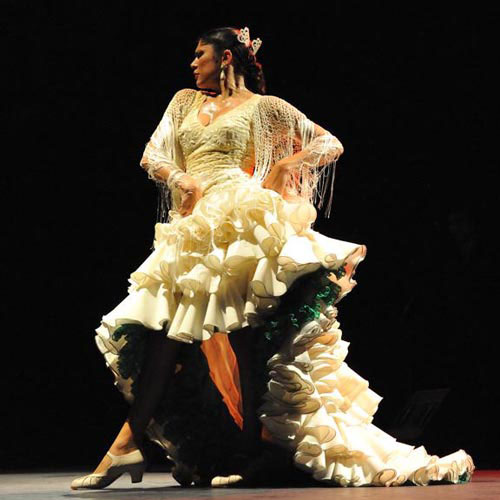
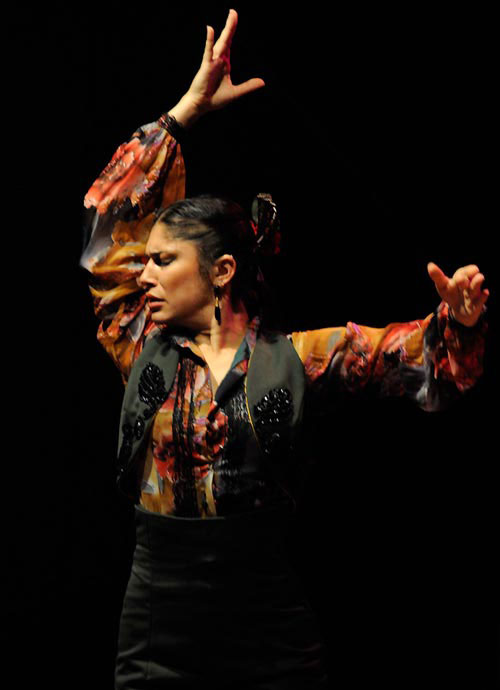
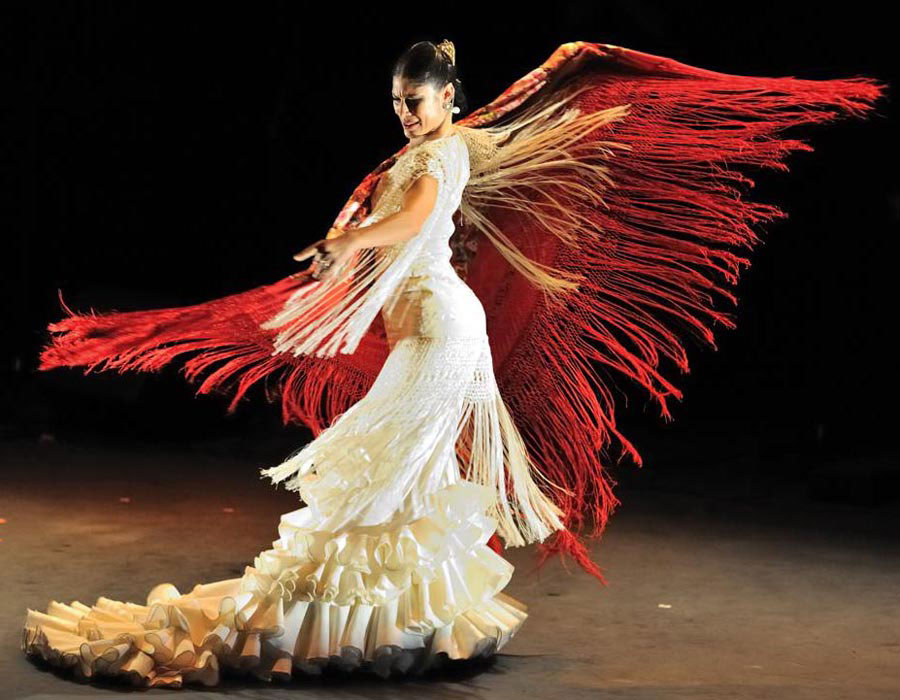
When fellow dancers and musicians couldn’t pronounce her name, “Lakshmi”, they gave her a very flamenco nickname: “Chimi”.  She’s American, from California, but with such a diversity of cultural roots, it’s impossible to pinpoint her ethnicity.  Energetic and full of life, as is only natural for her age, Chimi’s pseudo indigenous American features are easily mistaken for gypsy.  Maybe that’s it.  Maybe she looked in the mirror one day, saw her face was made for flamenco and her body for dance.  From a family that is both artistic and international, Chimi arrived in Spain a decade ago, and followed a path that has led to her to dance in the Bienal de Flamenco de Sevilla, and make the final rounds of the prestigious contests of Córdoba and La Unión.  In the United States, she has produced and starred in two works of her own, and is now immersed in the challenge of her first production within Spain which is scheduled to debut on November 25th in Lebrija.

LAKSHMI BASILE «LA CHIMI» – Photo: Lawrence Cooper

American, but with some Hispanic roots, is that right?

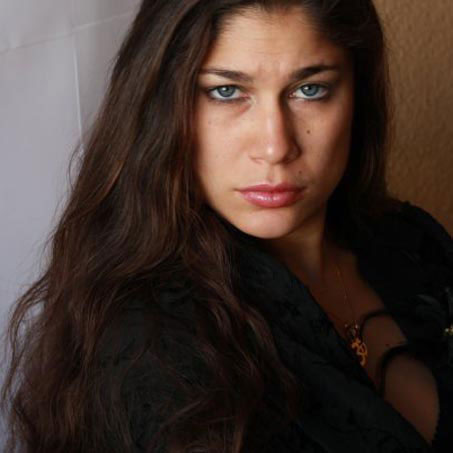
Yes, I have a lot of mixture.  Since people always ask, I even wonder myself, why I look the way I do and seem so flamenco, I made it my business to find out something about my family’s background.  My mother is from Argentina and my father from California, with Irish, Dutch and German roots, in other words, real American.  My grandparents on my mother’s side emigrated to Argentina, my grandmother to Paraguay, half indigenous half Spanish.  There is also something of Sephardic Jew, and my other grandfather is half Egyptian half Sicilian, that’s where I get the blue eyes and dark hair.

My parents are performing artists, and both are from artistic families.  My father is a musician and my mother is an all-round artists, she has an aunt in Paraguay who has a dance school that teaches both Paraguayan folk-dance and flamenco…just think, a flamenco dance school in Paraguay!  I couldn’t believe it, because this is a school that already existed in the 1940s!  My mother was a classic dancer and flamenco dancer, also an actress and musician.  In the 1960s she lived in Barcelona where she sang and danced in a tablao, and also worked in my father’s group.  My parents have a band that plays gypsy and Californian music: “Electrocarpathians”.  My dad plays with all kinds of groups, from classical music to traditional Jewish, and he also composes.  A little of everything!
  
What a multicultural international family!  It almost seems inevitable that you would end up being an artist too.  Where are you most of the time, in Spain or the U.S.?

Much more in Spain.  Once a year I go to the States, for a month or two at the most.

Where do you feel more at home?

I feel much more at home in Seville, as far as day-to-day life.  But really I feel at home anywhere in the world as long as I’m under the same roof with my people.  That’s why it’s so difficult to be far away from them.  My home is divided by land and sea.

“I don’t like shows put on by big companies, with seven dancers all doing siguiriyas, it doesn’t even feel like siguiriyas.  It also bugs me when people think if they take a few classes and learn a choreography, they know what flamenco is”.

LAKSHMI BASILE «LA CHIMI» – Foto: Adam Newby

What dancers or historic maestros inspire you most?

Of current people, Angelita Vargas and Manuela Carrasco.  The classic artists inspire me, whether it’s Titi de Triana or an unknown person from Jerez or Cádiz.  Carmen Amaya.  I like oldtimers and current dancers, but of the current ones, I do prefer the older artists.  Very often I get inspired by the most unexpected person, whether or not they’re professional, but flamenco and with something to say.

Before you got into flamenco dance, did you do other styles like jazz, classic ballet, modern dance…?

Yes, many different styles.  Jazz, classic ballet, contemporary, tap, folk-dancing from Ireland, Mexico and Paraguay, hip-hop, break-dance and a lot of oriental dance.  What I like most is classic ballet and break-dance.  But what sent me to another plane of existence was flamenco.  It’s like I connect with the spirits of my ancestors, because it’s not even normal what I feel when I really get into the dance.  Now is when I’m studying, getting a solid background and really delving into it, but long before I had any formal training, I already had my own concept of flamenco dance.

How did that love-affair with flamenco begin?

I was just a little girl…my first recollection of flamenco was when I was about 3, and I remember I was standing up, holding on to my mother’s hand, and all I could see were polkadot ruffles and three female singers.  The three were, and continue to be friends of the family, from years and years ago.  They’re Spanish, and for personal and professional reasons they moved to the U.S.  These were the people who began a flamenco community.  When I was small, it was just a group of friends who got together to be able to speak Spanish and enjoy a little flamenco.  Almost none of them were professional.  My mother also left flamenco long before meeting these people.  But they would get together to sing, dance, have some drinks and a few laughs.  The fiesta grew bigger and bigger as outsiders would come just to listen and watch.  That’s where my initial knowledge of flamenco came from, in an informal fiesta setting.  I identified with flamenco more than with other kinds of dance I’d known and which surrounded me.

Would you say your flamenco dancing could be classified as “traditional”?

I don’t know, I guess so.

What is your opinion of the avant-garde line other young dancers are following?  Are you attracted to that?
 
When it’s done well I think it’s interesting, but it isn’t as moving for me as conventional flamenco, I mean the flamenco already known as “flamenco”.  Flamenco comes from within, from the individual.  Nor am I particularly moved by dance-school flamenco, although I am able to appreciate it.  I also appreciate the hard work and technique behind avant-garde flamenco, but it doesn’t usually trigger an “ole!” from me.  What I basically mean is, I’m not that attracted to the contemporary wave, but I have great respect for it because I understand it, I know what dancing is.

LAKSHMI BASILE «LA CHIMI» – Foto: Daniela Masciellino

Many non-Spaniards think flamenco is just dance…do you think they learn to appreciate cante?  What importance does cante have for you?  

When a non-Spaniard comes to realize the importance of cante, that’s when they begin to really understand flamenco and also dance.  For me, cante is the root of flamenco, the beginning, the seed.  It’s the most important thing.  And I love to sing, but I don’t do it very well, although I study it in my own way all the same.

Has the UNESCO naming of flamenco as a world cultural heritage affected you personally?…or has it not made any difference?  What does it mean for flamenco in general?

This is something we have to wait a few years to really know the outcome.  It’s interesting because yes, it’s true flamenco is popular the world over.  It’s known and studied in many countries.  Just look at me, I was exposed to flamenco as a child far away from Spain…and I actually lived it.  I didn’t even study (well, I did, in a limited way before coming to Spain).  But I’m not so sure I like the way flamenco is becoming a global artform.  For example, I don’t like shows put on by big companies, with seven dancers all doing siguiriyas, it doesn’t even feel like siguiriyas.  It also bugs me when people think if you take a few classes and learn a choreography, they know what flamenco is.  In my opinion, flamenco is much more complex, it’s all day, every day, not just the studio time.  It’s a way of life.  On the other hand, I think this all generates work.  Flamenco is going to be like classic ballet, an artform with a global audience.  Eventually, that means more work both within and outside of Spain.  And that’s a good thing, because I’ve been making my living from flamenco for over thirteen years.  It’s been my bread and butter even from before coming to Spain at 20.

“It’s true that today some dancers no longer improvise, but for me it’s one of the most important elements of flamenco, the spontaneity.  In all my dances I always leave room for improvisation”.

A few months ago you were finalist at the prestigious Córdoba contest, and all the contest of Las Minas de La Unión…at both events it’s an admirable achievement to reach the finals.  In La Unión you got second prize, while in Córdoba the prize was declared void.  At these contests, or any other moment in your career, have you ever felt discriminated against for being a foreigner?

Many times I’ve felt discrimination, it’s only normal.  People don’t understand how a foreigner can be working in flamenco.  And it annoys them even more when I start dancing and maybe I can be just as flamenco or more so than them.  I may not know as much, but my character is more flamenco.  And of course, I don’t mean this happens all the time, but when it does, it triggers bad reactions.  This is easing up little by little, people are getting to know me.  And I wouldn’t hesitate to participate in a contest again.  In my opinion, contests are an excellent form of preparation and they help people know who you are.  I signed up for both contests for these reasons.  Bringing home a prize was something completely unexpected, so it was a real success as far as I’m concerned.

In Córdoba there were some unkind comments about your not being Spanish.  How do you deal with that?

I don’t care what people say, because when I’m dancing I know exactly who I am.  I don’t need anyone’s okay, because in any case, I’m going to dance just as well or as badly.  What does bother me is when I’m working and the people behind me don’t give their support.  It doesn’t happen a lot, but on occasion it does, and I can’t stand that, because I like to give my all but it’s impossible when you have to work with people who aren’t on your side.  Fortunately it happens less and less all the time.

Do you choreograph your own material?  Nowadays it’s fashionable to claim there’s no improvisation in flamenco, that everything is rehearsed and there’s no variation.  To what extent do you improvise or feel inspired by the moment?

I do my own choreographies.  The first time I danced flamenco professionally I was 15, I set a farruca for myself and did it according to what the guitarist played.  It’s true that today some dancers no longer improvise, but for me it’s one of the most important elements of flamenco, the spontaneity.  In all my dances I always leave room for improvisation, and often that’s where I feel most inspired, it can be better than the choreographed parts.  I love to feel inspired by the moment, for me that’s real flamenco, and it’s the most difficult thing!

You’re now preparing a show with your own company.  Is it a private initiative, or do you have sponsorship or grants?           

It’s private, but I hope to receive economic support in order to be able to develop the show better.  On my own, the way I’ve been all my life, I’m very limited because I don’t have money.  I began working when I was 11 because my family was pretty much lower-middle class, and everything I’ve earned has been reinvested in my dancing.  The show is a terrific idea from my friend Miguel Ángel Vargas, and the numbers are of my own creation of course.

How do you deal with the responsibility of heading your own group and being the central figure?

I manage quite well because it’s nothing new for me.  I been presenting my own shows in the United States for six years.  It’s even more responsibility over there, because I do everything myself.  The production, the media, etc., in addition to being the main dancer.

Does this new show have a story line, or is it straight-ahead dancing?

Striclty speaking, there’s no story line, but there is a general framework we use as the basis for the various dances.  The only thing out of the usual is the character of the poet, Diego Vargas.  He’s the one who “tells” the story of Zarabanda, while the rest of the artists interpret dance, guitar and cante.

LAKSHMI BASILE «LA CHIMI» – Foto: Lawrence Cooper

Is it an original idea of yours?

The idea is from Miguel Ángel Vargas, who is the stage director.  I take care of the dance part, but he guides us so everything makes sense and has coherence.  It’s a project we’ve developed with gypsies from Lebrija, Morón, Jerez and Sevilla.  The idea is to create an enjoyable show, but one which has depth…traditional at the same time as original.

What musicians and dancers make up the group?

The singers are David El Galli from Morón, Jesús Flores and Enrique de Morón.  On guitar we’ve got Antonio Moya and Juanma Torres, and I do the dancing.  Some of these people were also with me in Córdoba and La Unión, I identified with their way of feeling flamenco.  Miguel Ángel also has his regular collaborators, professionals from the world of theater and flamenco, and we also have the graphic work of the great Miguel Ángel de Alcalá, and audiovisual material of Teppei Nogaki.

The work has an intriguing title, what was it?

The work is called «La Zarabanda, lo que duerme en el cuerpo de los gitanos» [Zarabanda, she who inhabits the body of the gypsies”].  It’s from an actual poster used to announce a fiesta on the outskirts of Lebrija from when flamenco wasn’t even called flamenco, but already had most of the elements.  I play the role of Zarabanda.

Who or what is Zarabanda?

Well, that’s what the audience has to find out for themselves.

Is the work a defense of gypsy culture?

It’s true the work deals with gypsies, but also with the oldest sort of flamenco, because they are stories which are inextricably linked.  Miguel Ángel Vargas is an investigator and also a gypsy, he knows a lot about the history and brought this poster to my attention.  I find it very interesting because it’s the beginning of flamenco…it’s genesis so to speak.  This is one of the first posters to refer to gypsy music and dance in Andalusia.  It’s even more interesting that in that era there were many political movements in Andalusia.  The last gypsy prisoners from the historic Gran Redada were released in 1781, and in 1787 they were accepted as Spanish citizens with full legal rights under Carlos III, shortly after the American war of Independence.  This poster is the basis for the show, it’s set in 1781 and the complete text says:

“The Devil sleeps in the bodies of the gypsies and awakens with Zarabanda. Be advised. At the Venta del Caparrós a half league from Lebrija, the ninth day of July of the year 1781 = Dances of Aurora, Andrea la del Pescado  = Mojiganga del Caracol = Zarabanda = Four couples of men and women”.

We hope to recreate that moment with its historic and artistic backdrop.

I identify with gypsies in flamenco, and in my way of understanding flamenco.  There are various gypsy groups that exist throughout the world, and not all are the same.  In actual fact, I identify with people, wherever they’re from, who have values and sensitivity similar to mine.  Diego Carrasco summed it up perfectly, and I agree with him a hundred percent: I’m a tenant of the world!

And lastly, what would you say to a young non-Spaniard who wanted to become a dancer?…what advice would you give?

If you want to dance, dance.  Don’t be so hesitant, do what feels most rewarding, and you’re bound to end up in the right place.


Descubre más desde Revista DeFlamenco.com

Suscríbete y recibe las últimas entradas en tu correo electrónico.

Tags: La Chimi
Tablao Flamenco 1911 Tablao Flamenco 1911
Previous Post

Israel Galván – ISRAEL GALVÁN

Next Post

Homenaje a Moraíto en Jerez. Diego el Cigala, Miguel Poveda, José Mercé, Manuel Molina, Juan Moneo 'El Torta', Manuel Moneo, Juana la del Pipa, …

Related Posts

Entrevista a LAKSHMI BASILE 'LA CHIMI' Bailaora
Entrevistas

Entrevista a LAKSHMI BASILE 'LA CHIMI' Bailaora

Festival Internacional del Cante de las Minas 2011. Ganadores del concurso
Reseñas

Festival Internacional del Cante de las Minas 2011. Ganadores del concurso

Reseñas

II CONCURSO DE CANTE 'PUERTA DE ALCUDIA' Puertollano. Rubio de Pruna…

Next Post

Tribute to Moraíto en Jerez. Diego el Cigala, Miguel Poveda, José Mercé, Manuel Molina, Juan Moneo 'El Torta', Manuel Moneo, Juana la del Pipa, ...

Please login to join discussion
Paula Rodríguez & El Choro - Flamenco Real en el Teatro Real
Tablao Flamenco 1911 - Madrid
Cardamomo - Tablao Flamenco Madrid
Tablao flamenco La Carmela - Madrid
Tablao de la Villa - Madrid
Centro Cultural Flamenco de Madrid
Tablao Flamenco Cordobes - 55 aniversario
El Duende, tablao flamenco Barcelona by Cordobes
Las Tablas Flamenco Madrid

Más vistos

  • Alba Molina en Miradas Flamenkas

    Alba Molina sin red, cuando peligra la vida del artista

    571 shares
    Share 228 Tweet 143
  • La delicada geometría de José Manuel Álvarez en ‘Captura y fuga’

    441 shares
    Share 176 Tweet 110
  • XXX Gira Flamenca del Norte 2026: Tres décadas de excelencia jonda

    436 shares
    Share 174 Tweet 109
  • Miradas Flamenkas celebra los 50 años de “Nuevo día”, el disco de Lole y Manuel que cambió el rumbo del flamenco

    768 shares
    Share 307 Tweet 192
  • El Ballet Español de la Comunidad de Madrid estrena ‘Viaje al Amor Brujo’, un homenaje contemporáneo a Falla en los Teatros del Canal

    434 shares
    Share 174 Tweet 109
Alejandro Hurtado - El Primer llanto cd
cds de flamenco

“El Primer Llanto” de Alejandro Hurtado

Tercer disco en tres años y segundo de composiciones propias, el guitarrista Alejandro Hurtado (Alicante, 1994) vuelve a impactar y ...

Juan Medina - Fugaz
cds de flamenco

Juan Medina regresa con “Fugaz”, un viaje entre el flamenco y el jazz

El guitarrista y compositor Juan Medina —antes conocido artísticamente como Juanito Makandé— presenta su nuevo trabajo discográfico Fugaz (Satélite K, ...

Maria Jesús Cortés
cds de flamenco

“A cal y canto” – María Jesús Cortés

La artista cordobesa, conocida como “la Lola Flores de Puente Genil”, publica su primer trabajo discográfico con ocho temas que ...

Paco Cepero - Repasando mi vida - libro
libros de flamenco

Paco Cepero: repasando mi vida

Almuzara publica Paco Cepero: repasando mi vida escrita por Francisco CuaresmaFrancisco Cuaresma recoge la biografía del legendario guitarrista jerezano Paco ...

Suite Flamenca - Cofiner - Diego Amador
cds de flamenco

Suite flamenca, Enrique E.Cofiner por Diego Amador

Una obra original de Enrique E.Cofiner, versionada e interpretada por Diego Amador Suite Flamenca es una mirada innovadora que fusiona ...

Nuestro Twitter - Síguenos

Recomendamos

Sáb - Dom, 13 - 14 Dic 2025

Miradas Flamenkas 2025 –

Paula Rodríguez & El Choro
Mié - Vie, 17 - 19 Dic 2025

El Choro y Paula Rodríguez “In situ” – Flamenco Real

Fosforito en el recuerdo - Casa de Granada
Vie, 26 Dic 2025

“FOSFORITO EN EL RECUERDO” Bernardo Miranda (cante) y Luis Medina (guitarra)

Lun, 29 Dic 2025

Leonor Leal “¡Ahora bailo yo!” – Materiales para una charla bailada

Mar, 30 Dic 2025

“Escuela Bolera y Guitarra Española” – Ateneo de Madrid

¡No hay eventos!
Facebook Twitter Pinterest Instagram Youtube Twitch Telegram

Aviso Legal / Política de Privacidad / Uso de Cookies
Condiciones de Uso y Normas de Publicación de Anuncios Clasificados

¡Atención! SUSCRIPCIÓN COMPLETA a través de Wordpress.com
Introduce tu correo electrónico y recibirás un email por cada entrada que publiquemos.


Newsletter (envío boletín mensual con Mailchimp)


¿Quiénes somos?
Soporte, publicidad y patrocinio

Mi Cuenta

© 2024 Deflamenco.com - ADN Flamenco Web Services S.L.

Welcome Back!

Login to your account below

Forgotten Password?

Retrieve your password

Please enter your username or email address to reset your password.

Log In
No Result
View All Result
  • REVISTA
    • Noticias de Flamenco
    • Reseñas
    • Entrevistas
    • Especiales
    • Festival de Jerez
    • Opinión
    • De tablao en tablao
    • Moda flamenca
    • Más flamenco
  • AGENDA
    • CARTELERA
    • Flamenco online
    • Flamenco en Madrid
    • Flamenco en Barcelona
    • Flamenco en Andalucía
      • Flamenco en Sevilla
      • Flamenco en Jerez & Cádiz
      • Flamenco en Málaga
      • Flamenco en Córdoba
      • Flamenco en Jaén
      • Flamenco en Huelva
      • Flamenco en Almería
      • Flamenco en Granada
    • Flamenco en España (resto)
      • Flamenco en Aragón
      • Flamenco en Asturias
      • Flamenco en Baleares
      • Flamenco en Canarias
      • Flamenco en Cantabria
      • Flamenco en Castilla la Mancha
      • Flamenco en Castilla-León
      • Flamenco en Ceuta / Melilla
      • Flamenco en Extremadura
      • Flamenco en Galicia
      • Flamenco en La Rioja (Logroño)
      • Flamenco en Murcia
      • Flamenco en Pamplona
      • Flamenco en el País Vasco
      • Flamenco en Valencia
    • Flamenco en Europa
      • Flamenco en Francia
      • Flamenco en Alemania
      • Flamenco en Países Bajos & Bélgica
      • Flamenco en Italia
      • Flamenco en Reino Unido
      • Flamenco en Portugal
      • Flamenco en Suiza
      • Flamenco en Resto de Europa
    • Flamenco en América
      • Flamenco en Canadá
      • Flamenco en Estados Unidos
      • Flamencos en México / Centro América
      • Flamenco en América del Sur
    • Flamenco en el Mundo
      • Flamenco en África
      • Flamenco en Australia
      • Flamenco en Japón & Asia
    • Flamencos EN GIRA
  • CURSOS
    • Cursos Flamenco online
    • Calendario Cursos de Flamenco (general)
    • Cursos Flamenco en Sevilla
    • Cursos de Flamenco en Jerez & Cádiz
    • Cursos Flamenco en Madrid
    • Cursos flamenco en Barcelona
    • Cursos Flamenco en Málaga
  • ARTISTAS
    • Cantaores & cantaoras
    • Guitarristas
    • Bailaores & bailaoras
    • Otros/Grupos
    • Compañias
    • Espectáculos
    • Management
  • MEDIA
    • Twitch – Flamenco live
    • Fotografías
    • Videos
  • GUÍA DE FLAMENCO
    • Escuelas y estudios de Flamenco
    • Tablaos flamencos
    • Teatros, Salas de Concierto
    • Peñas de Flamenco
    • Bares Flamencos, restaurantes
    • Moda Flamenca, complementos
    • Tiendas de Flamenco
    • Guitarrerias, luthiers
  • CATÁLOGO
    • Cds de flamenco
    • Libros de flamenco
    • Dvds de flamenco
    • Vinilos de Flamenco
  • Tablaos
    • Noticias
    • Madrid
      • Donde ver buen flamenco
      • Cardamomo
      • Tablao Flamenco 1911
      • Tablao flamenco La Carmela
      • Flamenco de Leones
      • Tablao de la Villa
      • Las Tablas Flamenco Madrid
      • Centro Cultural Flamenco de Madrid
      • Café Ziryab
      • Corral de la Moreria
    • Barcelona
      • Tablao Flamenco Cordobes
      • El Duende by Tablao Cordobes
    • Granada
    • Sevilla
  • [ENGLISH]
    • News
    • Show Reviews
    • Interviews
    • Special Reports
    • Flamenco Shows in Madrid
      • Cardamomo Flamenco Madrid
      • Tablao 1911
      • Las Tablas Flamenco Madrid
      • Centro Cultural Flamenco de Madrid
      • Corral de la Moreria
      • Café Ziryab
    • Flamenco Shows in Barcelona
      • Tablao Flamenco Cordobes
      • El Duende by Tablao Cordobes
    • Special Festival de Jerez
    • Flamenco fashion
    • More flamenco
    • Opinion
    • My Flamenco Year
  • TIENDA
    • Cds, libros, vinilos
    • Compra publicidad
  • –

© 2024 Deflamenco.com - ADN Flamenco Web Services S.L.

Utilizamos cookies para asegurar que damos la mejor experiencia al usuario y obtener estadísticas en nuestro sitio web. Si continúa utilizando este sitio asumiremos que está de acuerdo. Más info: