viernes, 8 mayo 2026
  • [Soporte, publicidad]
  • [Sobre deflamenco]
  • [Faq]
  • [Tienda/Shop]
Revista DeFlamenco.com
Tablao Flamenco 1911 - Madrid
  • REVISTA
    • Noticias de Flamenco
    • Reseñas
    • Entrevistas
    • Especiales
    • Festival de Jerez
    • Opinión
    • De tablao en tablao
    • Moda flamenca
    • Más flamenco
  • AGENDA
    • Flamenco en Madrid
    • Flamenco en Barcelona
    • Flamenco en Andalucía
      • Flamenco en Sevilla
      • Flamenco en Jerez & Cádiz
      • Flamenco en Málaga
      • Flamenco en Córdoba
      • Flamenco en Jaén
      • Flamenco en Huelva
      • Flamenco en Almería
      • Flamenco en Granada
    • Flamenco en España (resto)
      • Flamenco en Aragón
      • Flamenco en Asturias
      • Flamenco en Baleares
      • Flamenco en Canarias
      • Flamenco en Cantabria
      • Flamenco en Castilla la Mancha
      • Flamenco en Castilla-León
      • Flamenco en Ceuta / Melilla
      • Flamenco en Extremadura
      • Flamenco en Galicia
      • Flamenco en La Rioja (Logroño)
      • Flamenco en Murcia
      • Flamenco en Pamplona
      • Flamenco en el País Vasco
      • Flamenco en Valencia
    • Flamenco en Europa
      • Flamenco en Francia
      • Flamenco en Alemania
      • Flamenco en Países Bajos & Bélgica
      • Flamenco en Italia
      • Flamenco en Reino Unido
      • Flamenco en Portugal
      • Flamenco en Suiza
      • Flamenco en Resto de Europa
    • Flamenco en América
      • Flamenco en Canadá
      • Flamenco en Estados Unidos
      • Flamencos en México / Centro América
      • Flamenco en América del Sur
    • Flamenco en el Mundo
      • Flamenco en África
      • Flamenco en Australia
      • Flamenco en Japón & Asia
    • Flamencos EN GIRANew
  • CURSOS
    • Cursos Flamenco online
    • Calendario Cursos de Flamenco (general)
    • Cursos Flamenco en Sevilla
    • Cursos de Flamenco en Jerez & Cádiz
    • Cursos Flamenco en Madrid
    • Cursos flamenco en Barcelona
    • Cursos Flamenco en Málaga
  • ARTISTAS
    • Cantaores & cantaoras
    • Guitarristas
    • Bailaores & bailaoras
    • Otros/Grupos
    • Compañias
    • Espectáculos
    • Management
  • MEDIA
    • Twitch – Flamenco live
    • Fotografías
    • Videos
  • GUÍA DE FLAMENCO
    • Escuelas y estudios de Flamenco
    • Tablaos flamencos
    • Teatros, Salas de Concierto
    • Peñas de Flamenco
    • Bares Flamencos, restaurantes
    • Moda Flamenca, complementos
    • Tiendas de Flamenco
    • Guitarrerias, luthiers
  • CATÁLOGO
    • Cds de flamenco
    • Libros de flamenco
    • Dvds de flamenco
    • Vinilos de Flamenco
  • Tablaos
    • Noticias
    • Madrid
      • Donde ver buen flamenco
      • Cardamomo
      • Tablao Flamenco 1911
      • Tablao flamenco La Carmela
      • Tablao Las Carboneras
      • Tablao de la Villa
      • Las Tablas Flamenco Madrid
      • Centro Cultural Flamenco de Madrid
      • Café Ziryab
      • Corral de la Moreria
    • Barcelona
      • Tablao Flamenco Cordobes
      • El Duende by Tablao Cordobes
    • Granada
    • Sevilla
  • [ENGLISH]
    • News
    • Show Reviews
    • Interviews
    • Special Reports
    • Flamenco Shows in MadridNew
      • Cardamomo Flamenco Madrid
      • Tablao 1911
      • Las Tablas Flamenco Madrid
      • Centro Cultural Flamenco de Madrid
      • Corral de la Moreria
      • Café Ziryab
    • Flamenco Shows in Barcelona
      • Tablao Flamenco Cordobes
      • El Duende by Tablao Cordobes
    • Special Festival de JerezNew
    • Flamenco fashion
    • More flamenco
    • Opinion
    • My Flamenco Year
  • Publicidad
  • –
No Result
View All Result
  • REVISTA
    • Noticias de Flamenco
    • Reseñas
    • Entrevistas
    • Especiales
    • Festival de Jerez
    • Opinión
    • De tablao en tablao
    • Moda flamenca
    • Más flamenco
  • AGENDA
    • Flamenco en Madrid
    • Flamenco en Barcelona
    • Flamenco en Andalucía
      • Flamenco en Sevilla
      • Flamenco en Jerez & Cádiz
      • Flamenco en Málaga
      • Flamenco en Córdoba
      • Flamenco en Jaén
      • Flamenco en Huelva
      • Flamenco en Almería
      • Flamenco en Granada
    • Flamenco en España (resto)
      • Flamenco en Aragón
      • Flamenco en Asturias
      • Flamenco en Baleares
      • Flamenco en Canarias
      • Flamenco en Cantabria
      • Flamenco en Castilla la Mancha
      • Flamenco en Castilla-León
      • Flamenco en Ceuta / Melilla
      • Flamenco en Extremadura
      • Flamenco en Galicia
      • Flamenco en La Rioja (Logroño)
      • Flamenco en Murcia
      • Flamenco en Pamplona
      • Flamenco en el País Vasco
      • Flamenco en Valencia
    • Flamenco en Europa
      • Flamenco en Francia
      • Flamenco en Alemania
      • Flamenco en Países Bajos & Bélgica
      • Flamenco en Italia
      • Flamenco en Reino Unido
      • Flamenco en Portugal
      • Flamenco en Suiza
      • Flamenco en Resto de Europa
    • Flamenco en América
      • Flamenco en Canadá
      • Flamenco en Estados Unidos
      • Flamencos en México / Centro América
      • Flamenco en América del Sur
    • Flamenco en el Mundo
      • Flamenco en África
      • Flamenco en Australia
      • Flamenco en Japón & Asia
    • Flamencos EN GIRANew
  • CURSOS
    • Cursos Flamenco online
    • Calendario Cursos de Flamenco (general)
    • Cursos Flamenco en Sevilla
    • Cursos de Flamenco en Jerez & Cádiz
    • Cursos Flamenco en Madrid
    • Cursos flamenco en Barcelona
    • Cursos Flamenco en Málaga
  • ARTISTAS
    • Cantaores & cantaoras
    • Guitarristas
    • Bailaores & bailaoras
    • Otros/Grupos
    • Compañias
    • Espectáculos
    • Management
  • MEDIA
    • Twitch – Flamenco live
    • Fotografías
    • Videos
  • GUÍA DE FLAMENCO
    • Escuelas y estudios de Flamenco
    • Tablaos flamencos
    • Teatros, Salas de Concierto
    • Peñas de Flamenco
    • Bares Flamencos, restaurantes
    • Moda Flamenca, complementos
    • Tiendas de Flamenco
    • Guitarrerias, luthiers
  • CATÁLOGO
    • Cds de flamenco
    • Libros de flamenco
    • Dvds de flamenco
    • Vinilos de Flamenco
  • Tablaos
    • Noticias
    • Madrid
      • Donde ver buen flamenco
      • Cardamomo
      • Tablao Flamenco 1911
      • Tablao flamenco La Carmela
      • Tablao Las Carboneras
      • Tablao de la Villa
      • Las Tablas Flamenco Madrid
      • Centro Cultural Flamenco de Madrid
      • Café Ziryab
      • Corral de la Moreria
    • Barcelona
      • Tablao Flamenco Cordobes
      • El Duende by Tablao Cordobes
    • Granada
    • Sevilla
  • [ENGLISH]
    • News
    • Show Reviews
    • Interviews
    • Special Reports
    • Flamenco Shows in MadridNew
      • Cardamomo Flamenco Madrid
      • Tablao 1911
      • Las Tablas Flamenco Madrid
      • Centro Cultural Flamenco de Madrid
      • Corral de la Moreria
      • Café Ziryab
    • Flamenco Shows in Barcelona
      • Tablao Flamenco Cordobes
      • El Duende by Tablao Cordobes
    • Special Festival de JerezNew
    • Flamenco fashion
    • More flamenco
    • Opinion
    • My Flamenco Year
  • Publicidad
  • –
No Result
View All Result
Revista DeFlamenco.com
No Result
View All Result
Home Revista Entrevistas

Interview with Vicente Soto 'Sordera'. Cantaor flamenco. Jerez.

by DeFlamenco
24 01 2005
in Entrevistas, Interviews
Comparte en FacebookCanal TelegramComparte en Twitter


Interview
with

VICENTE SOTO


Text: Norman Paul Kliman

Vicente Soto Barea (Jerez de la Frontera, 1954)
just made his eleventh recording, “eStar Alegre”.
He comes from one of the most outstanding cante dynasties
of Jerez. Son of Manuel Soto “Sordera” and
brother of Enrique “Sordera” and José
“Sorderita”, he follows a traditional line
at the same time as reserving the right to give free
reign to his artistic curiosity, all of which defines
him, at 50, as a singer from the new generation, that
of Camarón and followers. He has set the verses
of poets like Unamuno, Valle Inclán, Antonio
y Manuel Machado, Bergamín and others to flamenco,
and his knowledge of the most orthodox sort of cante
runs deep and wide. The following interview with Vicente
Soto took place on January 14th, 2005 in Madrid in the
dressing-room of the El Duende flamenco club:

Vicente, in which cantes do
you think your father contributed the most?

My father was a very individualistic singer in every
way, and especially in soleá por bulería,
he was one of the ones who enhanced it greatly. His
fandangos were special, and his siguiriyas has a great
deal of personality. All in all, I think we’re
talking about one of the great singers.

Did he have cante where, shall
we say, he created styles or approaches?

His fandangos were….he created a entire approach,
and soleá por bulería as well.

What about yourself? In what
cantes have you contributed?

I more or less add to everything because I’m also
a singer with my own identity. You can see it in all
my recordings. I learn from everyone, but then I add
my own personality and identity. It’s basically
the same thing.

Name some styles you feel
you’ve added new things to…

In general, the rhythmic cantes, wouldn’t you
say?

Do you think history will
treat your father well? Are you satisfied with what’s
been written or said about him?

Well, I do think he’s received due recognition,
in view of what he’s left for future generations…
The dynasty goes on from there, don’t you think?
This is a respected flamenco singer.

After your Tríptico
recordings, would you say you’ve doing everything
you want to do in traditional cante?

Well, no, not everything, because traditional cante
is always there for the taking. Also, you can create
in your own way, taking the base as a starting point,
there’s always that option. Tradhtional cante
is never going to end, never. There are people who give
it their own personality, and when you do that, you’re
creating.

What do you think about the
possibility of creating new styles of siguiriya, soleá
and tonás? Is this very difficult? How do you
see it?

It’s not that it’s difficult. It’s
that in order to outdo what went before, to improve
on a siguiriya that already exists, this is complicated,
and anyone who tries it is taking a big chance, you
know what I mean? So I think the singer who is capable
of doing a good job with what’s already there,
adding something personal, that’s the right path,
you know?

“Traditional cante
is never going to end, never…”

The María la Moreno
style of bulería por soleá?

La Moreno had a special style, and she was a creator;
she gave it form. She created one style, El Gloria another…
It was a way of personalizing the cante I’d say,
and La Moreno stylized it in her way.

That cante, how does it go?
“Dinero…”…

That’s it…she’s the one who sang it.

What about Antonio La Peña?
Antonio La Peña was a distant relative of mine,
on my father’s side, he was an extraordinary singer.
Tío Borrico and all those people, that’s
where they’re coming from…Tío Tati…
Anyhow, he was a Jerez singer with tremendous personality
and a whole school came from there. What I don’t
get is how come you know about Antonio La Peña,
because I’m telling you, it’s the first
time anyone asked me about him. Put that in the article
so all the other critics can read it [laughter]…it’s
the first time anyone ever asked me about Antonio La
Peña…not even those flamencologist types,
not a one. Where you from, man?

Me? I was born in the United
States…

Look at that, they came from the US to ask me about
Antonio La Peña, and over here no one knows who
it is…not the flamencologists, not anyone hardly…look
at that, well, well, well, that’s a good question,
don’t stop now…

That cante “Te he querido
y no lo niego”, whose is that?

La Moreno used to do that, definitely, “que te
he querido y no lo niego”.

[Things are going well, Vicente
is relaxed and at ease, but just then singers Alfonso
Salmerón and Cancanilla de Marbella come in to
say hello. They greet each other warmly and we continue
amidst the chaos…)

“The most important
singers I’ve known are Manolo Caracol and Fernando
Terremoto”

What about the siguiriya
of Juanichi el Manijero? Some singers do it differently,
as if it were cabales…

There are different ways of doing it…I’ve
heard it a way that appeals to me more…

Which is the traditional
way? Cabales or straight siguiriyas?

I like it as normal siguiriyas, that’s how Periñaca
did it.

Do
you see much difference between the siguiriya of Paco
La Luz and Francisco La Perla?

The truth is, each one has its certain twist. But look,
I stick with Paco La Luz [laughter]. They’re very
similar because they have offshoots, but Paco La Luz,
it’s more to my liking.

Within the framework of traditional
flamenco, what innovations would you like to make?

I’d like to do something that communicates. Communication.
It’s very very difficult. We’ll see if I
get something going and if it’s worthwhile [laughter].

As far as singers, whether
recorded or live, who have been your favorites?

Cantaores, I don’t know, I’d have to go
for the older ones. Those of us who are contemporary,
I mean, I like everything. The most important singers
I’ve known are Manolo Caracol and Fernando Terremoto,
the ones who impressed me the most. Obviously I also
like La Paquera, La Perla, I like it all… But
those are the ones who impressed me the most.

What do you think about Juan
Mojama’s legacy?

Mojama? Exquisite…

They say he combined Antonio
Chacón and Manuel Torre, what do you think?

He was a singer who know how to adapt…but he had
something very special.

Do you hear a Mojama sound
in Camarón?

No, they’re completely different.

Do you think the international
audience needs to be brought in to flamenco or viceversa?

No, but I think there has to be an opening. It’s
important that flamenco open up in some ways.

Translated by: Anne Goodman

Photos: Rafael Manjavacas


More information:

Vicente
Soto live: eStar Alegre

Vicente
Soto
'eStar alegre'
Vicente Soto
'Triptico Flamenco JEREZ'
Juan Mojama
'Esencia flamenca'


Tablao Flamenco 1911 Tablao Flamenco 1911


Interview
with

VICENTE SOTO


Text: Norman Paul Kliman

Vicente Soto Barea (Jerez de la Frontera, 1954)
just made his eleventh recording, “eStar Alegre”.
He comes from one of the most outstanding cante dynasties
of Jerez. Son of Manuel Soto “Sordera” and
brother of Enrique “Sordera” and José
“Sorderita”, he follows a traditional line
at the same time as reserving the right to give free
reign to his artistic curiosity, all of which defines
him, at 50, as a singer from the new generation, that
of Camarón and followers. He has set the verses
of poets like Unamuno, Valle Inclán, Antonio
y Manuel Machado, Bergamín and others to flamenco,
and his knowledge of the most orthodox sort of cante
runs deep and wide. The following interview with Vicente
Soto took place on January 14th, 2005 in Madrid in the
dressing-room of the El Duende flamenco club:

Vicente, in which cantes do
you think your father contributed the most?

My father was a very individualistic singer in every
way, and especially in soleá por bulería,
he was one of the ones who enhanced it greatly. His
fandangos were special, and his siguiriyas has a great
deal of personality. All in all, I think we’re
talking about one of the great singers.

Did he have cante where, shall
we say, he created styles or approaches?

His fandangos were….he created a entire approach,
and soleá por bulería as well.

What about yourself? In what
cantes have you contributed?

I more or less add to everything because I’m also
a singer with my own identity. You can see it in all
my recordings. I learn from everyone, but then I add
my own personality and identity. It’s basically
the same thing.

Name some styles you feel
you’ve added new things to…

In general, the rhythmic cantes, wouldn’t you
say?

Do you think history will
treat your father well? Are you satisfied with what’s
been written or said about him?

Well, I do think he’s received due recognition,
in view of what he’s left for future generations…
The dynasty goes on from there, don’t you think?
This is a respected flamenco singer.

After your Tríptico
recordings, would you say you’ve doing everything
you want to do in traditional cante?

Well, no, not everything, because traditional cante
is always there for the taking. Also, you can create
in your own way, taking the base as a starting point,
there’s always that option. Tradhtional cante
is never going to end, never. There are people who give
it their own personality, and when you do that, you’re
creating.

What do you think about the
possibility of creating new styles of siguiriya, soleá
and tonás? Is this very difficult? How do you
see it?

It’s not that it’s difficult. It’s
that in order to outdo what went before, to improve
on a siguiriya that already exists, this is complicated,
and anyone who tries it is taking a big chance, you
know what I mean? So I think the singer who is capable
of doing a good job with what’s already there,
adding something personal, that’s the right path,
you know?

“Traditional cante
is never going to end, never…”

The María la Moreno
style of bulería por soleá?

La Moreno had a special style, and she was a creator;
she gave it form. She created one style, El Gloria another…
It was a way of personalizing the cante I’d say,
and La Moreno stylized it in her way.

That cante, how does it go?
“Dinero…”…

That’s it…she’s the one who sang it.

What about Antonio La Peña?
Antonio La Peña was a distant relative of mine,
on my father’s side, he was an extraordinary singer.
Tío Borrico and all those people, that’s
where they’re coming from…Tío Tati…
Anyhow, he was a Jerez singer with tremendous personality
and a whole school came from there. What I don’t
get is how come you know about Antonio La Peña,
because I’m telling you, it’s the first
time anyone asked me about him. Put that in the article
so all the other critics can read it [laughter]…it’s
the first time anyone ever asked me about Antonio La
Peña…not even those flamencologist types,
not a one. Where you from, man?

Me? I was born in the United
States…

Look at that, they came from the US to ask me about
Antonio La Peña, and over here no one knows who
it is…not the flamencologists, not anyone hardly…look
at that, well, well, well, that’s a good question,
don’t stop now…

That cante “Te he querido
y no lo niego”, whose is that?

La Moreno used to do that, definitely, “que te
he querido y no lo niego”.

[Things are going well, Vicente
is relaxed and at ease, but just then singers Alfonso
Salmerón and Cancanilla de Marbella come in to
say hello. They greet each other warmly and we continue
amidst the chaos…)

“The most important
singers I’ve known are Manolo Caracol and Fernando
Terremoto”

What about the siguiriya
of Juanichi el Manijero? Some singers do it differently,
as if it were cabales…

There are different ways of doing it…I’ve
heard it a way that appeals to me more…

Which is the traditional
way? Cabales or straight siguiriyas?

I like it as normal siguiriyas, that’s how Periñaca
did it.

Do
you see much difference between the siguiriya of Paco
La Luz and Francisco La Perla?

The truth is, each one has its certain twist. But look,
I stick with Paco La Luz [laughter]. They’re very
similar because they have offshoots, but Paco La Luz,
it’s more to my liking.

Within the framework of traditional
flamenco, what innovations would you like to make?

I’d like to do something that communicates. Communication.
It’s very very difficult. We’ll see if I
get something going and if it’s worthwhile [laughter].

As far as singers, whether
recorded or live, who have been your favorites?

Cantaores, I don’t know, I’d have to go
for the older ones. Those of us who are contemporary,
I mean, I like everything. The most important singers
I’ve known are Manolo Caracol and Fernando Terremoto,
the ones who impressed me the most. Obviously I also
like La Paquera, La Perla, I like it all… But
those are the ones who impressed me the most.

What do you think about Juan
Mojama’s legacy?

Mojama? Exquisite…

They say he combined Antonio
Chacón and Manuel Torre, what do you think?

He was a singer who know how to adapt…but he had
something very special.

Do you hear a Mojama sound
in Camarón?

No, they’re completely different.

Do you think the international
audience needs to be brought in to flamenco or viceversa?

No, but I think there has to be an opening. It’s
important that flamenco open up in some ways.

Translated by: Anne Goodman

Photos: Rafael Manjavacas


More information:

Vicente
Soto live: eStar Alegre

Vicente
Soto
'eStar alegre'
Vicente Soto
'Triptico Flamenco JEREZ'
Juan Mojama
'Esencia flamenca'


Descubre más desde Revista DeFlamenco.com

Suscríbete y recibe las últimas entradas en tu correo electrónico.

Previous Post

Entrevista con Vicente Soto 'Sordera'. Cantaor flamenco. Jerez.

Next Post

Luis el Zambo en los Lunes de Revolver. Curro Jerez guitarra.

Related Posts

Flamenco on Fire 2026: la cadencia andaluza como hilo conductor de un viaje entre tradición y vanguardia
Noticias

Flamenco on Fire 2026: la cadencia andaluza como hilo conductor de un viaje entre tradición y vanguardia

Festival Desplazarse - Casa Velázquez - Infinito Delicias
Noticias

Desplazarse 2026: qué ver, cuándo y por qué en el festival de flamenco e investigación de Infinito Delicias

La Bienal de Flamenco programa en el Teatro Alameda un ciclo de nueve noches entre la juventud, la memoria y la fiesta
Noticias

La Bienal de Flamenco programa en el Teatro Alameda un ciclo de nueve noches entre la juventud, la memoria y la fiesta

Next Post
'DIEGO DEL GASTOR. EL ECO DE UNOS TOQUES'

'DIEGO DEL GASTOR. EL ECO DE UNOS TOQUES'

Please login to join discussion
Serás Farruquito - Estreno en cines 15 de mayo
Tablao Flamenco 1911 - Madrid
Noche Blanca del Flamenco de Córdoba
El Junco y Caracolillo de Cádiz - Flamenco Real
AIEnRuta Flamencos 2026
Cardamomo - Tablao Flamenco Madrid
Tablao flamenco La Carmela - Madrid
Tablao las Carboneras - Madrid
Tablao de la Villa - Madrid
Centro Cultural Flamenco de Madrid
Tablao Flamenco Cordobes - 55 aniversario
El Duende, tablao flamenco Barcelona by Cordobes
Las Tablas Flamenco Madrid

Más vistos

  • “Omega 30 aniversario”: la vigencia de una obra que cambió la música española

    “Omega 30 aniversario”: la vigencia de una obra que cambió la música española

    491 shares
    Share 196 Tweet 123
  • Flamenco on Fire 2026: la cadencia andaluza como hilo conductor de un viaje entre tradición y vanguardia

    442 shares
    Share 177 Tweet 111
  • Desplazarse 2026: qué ver, cuándo y por qué en el festival de flamenco e investigación de Infinito Delicias

    442 shares
    Share 177 Tweet 111
  • Reapertura de Los Gabrieles en Madrid: historia, flamenco y gastronomía en una taberna única

    560 shares
    Share 224 Tweet 140
cds de flamenco

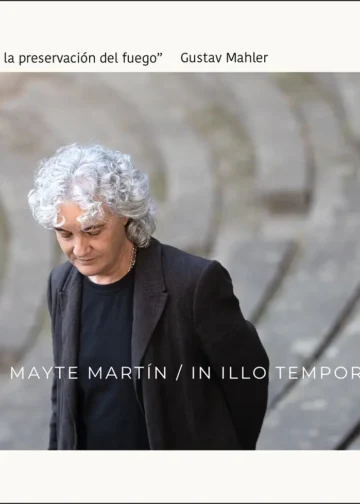
«In Illo tempore» – Mayte Martin

Texto disco por Mayte Martín La expresión in illo tempore, que proviene del latín, hace referencia -en un tono solemne, ...

cds de flamenco

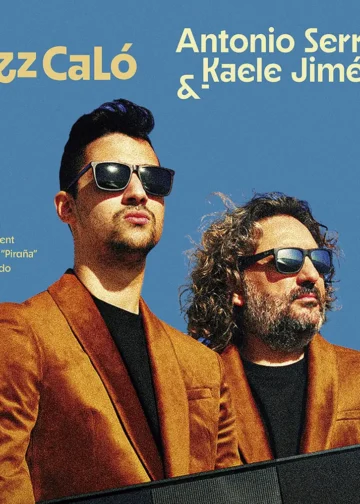
Jazz Caló (cd) – Antonio Serrano & Kaele Jiménez

El virtuoso de la armónica y recientemente galardonado con el PREMIO NACIONAL DE MÚSICAS ACTUALES, Antonio Serrano, referencia mundial y ...

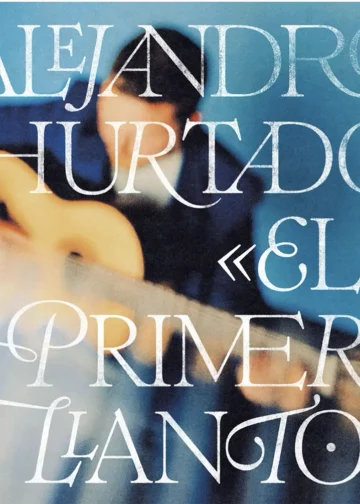
Alejandro Hurtado - El Primer llanto cd
cds de flamenco

“El Primer Llanto” de Alejandro Hurtado

Tercer disco en tres años y segundo de composiciones propias, el guitarrista Alejandro Hurtado (Alicante, 1994) vuelve a impactar y ...

Juan Medina - Fugaz
cds de flamenco

Juan Medina regresa con “Fugaz”, un viaje entre el flamenco y el jazz

El guitarrista y compositor Juan Medina —antes conocido artísticamente como Juanito Makandé— presenta su nuevo trabajo discográfico Fugaz (Satélite K, ...

Maria Jesús Cortés
cds de flamenco

“A cal y canto” – María Jesús Cortés

La artista cordobesa, conocida como “la Lola Flores de Puente Genil”, publica su primer trabajo discográfico con ocho temas que ...

Nuestro Twitter - Síguenos

Recomendamos

Patricia Guerrero abre “Nuevos Territorios” al flamenco emergente en la Sala Berlanga
Vie - Sáb, 08 - 09 May 2026

Patricia Guerrero abre “Nuevos Territorios” al flamenco emergente en la Sala Berlanga

Mié, 13 May 2026

Homenaje a Juan Ramírez

Premio SGAE Paco de Lucía
Mié, 20 May 2026

Final Premio SGAE Paco de Lucía

El Junco & Caracolillo de Cádiz
Mié - Vie, 20 - 22 May 2026

El Junco y Caracolillo de Cádiz «Sal y Perla» – Flamenco Real

¡No hay eventos!
Facebook Twitter Pinterest Instagram Youtube Twitch Telegram

Aviso Legal / Política de Privacidad / Uso de Cookies
Condiciones de Uso y Normas de Publicación de Anuncios Clasificados

¡Atención! SUSCRIPCIÓN COMPLETA a través de Wordpress.com
Introduce tu correo electrónico y recibirás un email por cada entrada que publiquemos.


Newsletter (envío boletín mensual con Mailchimp)


¿Quiénes somos?
Soporte, publicidad y patrocinio

Mi Cuenta

© 2024 Deflamenco.com - ADN Flamenco Web Services S.L.

Welcome Back!

Login to your account below

Forgotten Password?

Retrieve your password

Please enter your username or email address to reset your password.

Log In
No Result
View All Result
  • REVISTA
    • Noticias de Flamenco
    • Reseñas
    • Entrevistas
    • Especiales
    • Festival de Jerez
    • Opinión
    • De tablao en tablao
    • Moda flamenca
    • Más flamenco
  • AGENDA
    • Flamenco en Madrid
    • Flamenco en Barcelona
    • Flamenco en Andalucía
      • Flamenco en Sevilla
      • Flamenco en Jerez & Cádiz
      • Flamenco en Málaga
      • Flamenco en Córdoba
      • Flamenco en Jaén
      • Flamenco en Huelva
      • Flamenco en Almería
      • Flamenco en Granada
    • Flamenco en España (resto)
      • Flamenco en Aragón
      • Flamenco en Asturias
      • Flamenco en Baleares
      • Flamenco en Canarias
      • Flamenco en Cantabria
      • Flamenco en Castilla la Mancha
      • Flamenco en Castilla-León
      • Flamenco en Ceuta / Melilla
      • Flamenco en Extremadura
      • Flamenco en Galicia
      • Flamenco en La Rioja (Logroño)
      • Flamenco en Murcia
      • Flamenco en Pamplona
      • Flamenco en el País Vasco
      • Flamenco en Valencia
    • Flamenco en Europa
      • Flamenco en Francia
      • Flamenco en Alemania
      • Flamenco en Países Bajos & Bélgica
      • Flamenco en Italia
      • Flamenco en Reino Unido
      • Flamenco en Portugal
      • Flamenco en Suiza
      • Flamenco en Resto de Europa
    • Flamenco en América
      • Flamenco en Canadá
      • Flamenco en Estados Unidos
      • Flamencos en México / Centro América
      • Flamenco en América del Sur
    • Flamenco en el Mundo
      • Flamenco en África
      • Flamenco en Australia
      • Flamenco en Japón & Asia
    • Flamencos EN GIRA
  • CURSOS
    • Cursos Flamenco online
    • Calendario Cursos de Flamenco (general)
    • Cursos Flamenco en Sevilla
    • Cursos de Flamenco en Jerez & Cádiz
    • Cursos Flamenco en Madrid
    • Cursos flamenco en Barcelona
    • Cursos Flamenco en Málaga
  • ARTISTAS
    • Cantaores & cantaoras
    • Guitarristas
    • Bailaores & bailaoras
    • Otros/Grupos
    • Compañias
    • Espectáculos
    • Management
  • MEDIA
    • Twitch – Flamenco live
    • Fotografías
    • Videos
  • GUÍA DE FLAMENCO
    • Escuelas y estudios de Flamenco
    • Tablaos flamencos
    • Teatros, Salas de Concierto
    • Peñas de Flamenco
    • Bares Flamencos, restaurantes
    • Moda Flamenca, complementos
    • Tiendas de Flamenco
    • Guitarrerias, luthiers
  • CATÁLOGO
    • Cds de flamenco
    • Libros de flamenco
    • Dvds de flamenco
    • Vinilos de Flamenco
  • Tablaos
    • Noticias
    • Madrid
      • Donde ver buen flamenco
      • Cardamomo
      • Tablao Flamenco 1911
      • Tablao flamenco La Carmela
      • Tablao Las Carboneras
      • Tablao de la Villa
      • Las Tablas Flamenco Madrid
      • Centro Cultural Flamenco de Madrid
      • Café Ziryab
      • Corral de la Moreria
    • Barcelona
      • Tablao Flamenco Cordobes
      • El Duende by Tablao Cordobes
    • Granada
    • Sevilla
  • [ENGLISH]
    • News
    • Show Reviews
    • Interviews
    • Special Reports
    • Flamenco Shows in Madrid
      • Cardamomo Flamenco Madrid
      • Tablao 1911
      • Las Tablas Flamenco Madrid
      • Centro Cultural Flamenco de Madrid
      • Corral de la Moreria
      • Café Ziryab
    • Flamenco Shows in Barcelona
      • Tablao Flamenco Cordobes
      • El Duende by Tablao Cordobes
    • Special Festival de Jerez
    • Flamenco fashion
    • More flamenco
    • Opinion
    • My Flamenco Year
  • Publicidad
  • –

© 2024 Deflamenco.com - ADN Flamenco Web Services S.L.

Utilizamos cookies para asegurar que damos la mejor experiencia al usuario y obtener estadísticas en nuestro sitio web. Si continúa utilizando este sitio asumiremos que está de acuerdo. Más info: