Día del Flamenco en Andalucía Día del Flamenco en Andalucía
sábado, 14 noviembre 2026
  • [Soporte, publicidad]
  • [Sobre deflamenco]
  • [Faq]
  • [Tienda/Shop]
Revista DeFlamenco.com
Tablao Flamenco 1911 - Madrid
  • REVISTA
    • Noticias de Flamenco
    • Reseñas
    • Entrevistas
    • Especiales
    • Festival de Jerez
    • Opinión
    • De tablao en tablao
    • Moda flamenca
    • Más flamenco
  • AGENDA
    • Flamenco en Madrid
    • Flamenco en Barcelona
    • Flamenco en Andalucía
      • Flamenco en Sevilla
      • Flamenco en Jerez & Cádiz
      • Flamenco en Málaga
      • Flamenco en Córdoba
      • Flamenco en Jaén
      • Flamenco en Huelva
      • Flamenco en Almería
      • Flamenco en Granada
    • Flamenco en España (resto)
      • Flamenco en Aragón
      • Flamenco en Asturias
      • Flamenco en Baleares
      • Flamenco en Canarias
      • Flamenco en Cantabria
      • Flamenco en Castilla la Mancha
      • Flamenco en Castilla-León
      • Flamenco en Ceuta / Melilla
      • Flamenco en Extremadura
      • Flamenco en Galicia
      • Flamenco en La Rioja (Logroño)
      • Flamenco en Murcia
      • Flamenco en Pamplona
      • Flamenco en el País Vasco
      • Flamenco en Valencia
    • Flamenco en Europa
      • Flamenco en Francia
      • Flamenco en Alemania
      • Flamenco en Países Bajos & Bélgica
      • Flamenco en Italia
      • Flamenco en Reino Unido
      • Flamenco en Portugal
      • Flamenco en Suiza
      • Flamenco en Resto de Europa
    • Flamenco en América
      • Flamenco en Canadá
      • Flamenco en Estados Unidos
      • Flamencos en México / Centro América
      • Flamenco en América del Sur
    • Flamenco en el Mundo
      • Flamenco en África
      • Flamenco en Australia
      • Flamenco en Japón & Asia
    • Flamencos EN GIRANew
  • CURSOS
    • Cursos Flamenco online
    • Calendario Cursos de Flamenco (general)
    • Cursos Flamenco en Sevilla
    • Cursos de Flamenco en Jerez & Cádiz
    • Cursos Flamenco en Madrid
    • Cursos flamenco en Barcelona
    • Cursos Flamenco en Málaga
  • ARTISTAS
    • Cantaores & cantaoras
    • Guitarristas
    • Bailaores & bailaoras
    • Otros/Grupos
    • Compañias
    • Espectáculos
    • Management
  • MEDIA
    • Twitch – Flamenco live
    • Fotografías
    • Videos
  • GUÍA DE FLAMENCO
    • Escuelas y estudios de Flamenco
    • Tablaos flamencos
    • Teatros, Salas de Concierto
    • Peñas de Flamenco
    • Bares Flamencos, restaurantes
    • Moda Flamenca, complementos
    • Tiendas de Flamenco
    • Guitarrerias, luthiers
  • CATÁLOGO
    • Cds de flamenco
    • Libros de flamenco
    • Dvds de flamenco
    • Vinilos de Flamenco
  • Tablaos
    • Noticias
    • Madrid
      • Donde ver buen flamenco
      • Cardamomo
      • Tablao Flamenco 1911
      • Tablao flamenco La Carmela
      • Tablao Flamenco Torero
      • Tablao Las Carboneras
      • Tablao de la Villa
      • Las Tablas Flamenco Madrid
      • Centro Cultural Flamenco de Madrid
      • La Cueva de Lola
      • Taberna Flamenca El Cortijo
      • Café Ziryab
      • Corral de la Moreria
    • Barcelona
      • Tablao Flamenco Cordobes
      • El Duende by Tablao Cordobes
    • Granada
    • Sevilla
  • [ENGLISH]
    • News
    • Show Reviews
    • Interviews
    • Special Reports
    • Flamenco Shows in MadridNew
      • Cardamomo Flamenco Madrid
      • Tablao 1911
      • Centro Cultural Flamenco de Madrid
      • Tablao Flamenco Torero
      • Las Tablas Flamenco Madrid
      • Corral de la Moreria
      • Café Ziryab
    • Flamenco Shows in Barcelona
      • Tablao Flamenco Cordobes
      • El Duende by Tablao Cordobes
    • Special Festival de JerezNew
    • Flamenco fashion
    • More flamenco
    • Opinion
    • My Flamenco Year
  • Publicidad
  • –
No Result
View All Result
Revista DeFlamenco.com
No Result
View All Result
Home Revista Reseñas

XIII Bienal de Flamenco de Sevilla. Miguel Poveda 'Poemas del exilio' – Festival 'Chocolate, Bernarda de Utrera, Pepa de Benito…'

by DeFlamenco
15 09 2004
in Reseñas, show-reviews
Comparte en FacebookCanal TelegramComparte en Twitter

 
Miguel Poveda
'Poemas del exilio'

Sunday, September 12th 2004. 9:00pm
Teatro de la Maestranza, Sevilla

“Festival”
Chocolate, Bernarda de Utrera, Miguel Funi, Tomás
de Perrate y Angelita Vargas;
Sunday, September 12th 2004. 9:00pm
, Teatro Lope de Vega, Sevilla.


Program
XIII Bienal de Arte Flamenco Seville

Daily coverage BIENAL
DE FLAMENCO sponsored by:

“Festival”

Cante: Antonio Núñez “Chocolate”,
Bernarda de Utrera, Pepa de Benito, El
Funi, Inés de Utrera, Tomás de Perrate
Guitar: Antonio Carrión, Pedro María Peña,
Antonio Moya, Antonio Malena.
Dance: Angelita Vargas with Ramón Amador and Eugenio Iglesias
(guitar),
Guillermo Manzano and Jarillo (cante), and Bobote, El Eléctrico,
Vicente Peña,
Javier Vargas, Antonio María Peña, Carlos and Alejandro
(palmas)

On Sunday evening under the heading “Festival”
the Bienal de Arte Flamenco de Sevilla presented an assortment of
artists that ran the gamut from novice to veteran, known to unknown.
It’s always interesting to study the demographic and social
makeup of the audience for the different presentations. On this
night of the most traditional sort of cante and dance, there was
a large foreign crowd, particularly Japanese. It seems outsiders
prefer their flamenco untainted. Farruquito is also among the audience
in a private box.

How different Utrera cante is from that
of Jerez and other flamenco areas

The cante town of Utrera was ably represented by Tomás de
Perrate, Pepa de Benito, Inés de Utrera and Bernarda de Utrera.
Perhaps because they’d been at the Utrera local fair the night
before, their voices were good and warmed-up and they were clearly
aiming to please. Tomás de Perrate, who resembles his legendary
father Perrate de Utrera and possesses the same moving “echo”,
demonstrated that his prize for best new artist at the last Bienal
was well-deserved. Guitarist Antonio Moya backed him up with sounds
that recalled guitarists Pedro Bacán and Diego del Gastor,
but adding his own personality.

How different Utrera cante is from that of Jerez and other flamenco
areas. The soleá is more rhythmic, the bulerías more
laid-back and the singers are especially fond of cuplé or
popular songs por bulerías which make up a large part of
the repertoire of any cantaor from this town, in part due to the
powerful influence of the late singer Bambino. Another characteristic
is their ability with fandango por soleá, a variation on
fandango that became popular towards the end of the “opera
flamenca” period and which is still quite current in Utrera.
Pepa de Benito displays all these characteristic with her intimist
voice and delivery, once again with Antonio Moya accompanying.

Inés de Utrera with the guitar of Pedro María Peña
contributed another more popular dimension of Utrera cante, and
with the great veteran Bernarda de Utrera, the sampler of this town’s
cante was just about complete. The small seventy-something lady
got the place hopping with her famous cuplé of María
de la Mercedes.

A voice that simultaneously caresses
and hurts.

El Chocolate offered his standard repertoire with faithful guitarist
Antonio Carrión, ending his malagueña del Mellizo
with jaberas, a lovely “abandolao” cante. The maestro
makes it all look so easy with a voice that simultaneously caresses
and hurts.

The presence on stage of Miguel Funi from Lebrija reinforced the
feeling of being at a festival in the nineteen-seventies, but his
performance was as disappointing as it was at the Teatro Central
several months back: too anxious to improvise and the thing didn’t
quite come together.

Angelita Vargas’ dancing, still spectacular at sixty-some
years, was the icing on the cake, and when two of her grandchildren
were pulled out to dance in the closing bulerías, Farruquito
was seen to jump from his seat and shout “oles”.

Text : Estela
Zatania

Miguel Poveda – Poemas del Exilio

Cante: Miguel Poveda
Guitar: Juan Gómez “Chicuelo”
Director and original music: Enric Palomar
Big Ensemble del Taller de Músics
“Poemas del Exilio de Rafael Alberti”
Teatro Maestranza. September 12th, 2004. 9:00pm

The Maestranza Theater received Miguel Poveda with an ovation.
This was a taste of what was to come from the grateful audience.
But after a while it seemed like the end of the show when a fair
number of people got up and left ahead of time leaving the theater
less than three quarters full for the singer from Cataluña.
His pull was strong, no easy thing considering Chocolate, Bernarda,
Funi and Angelita Vargas were over at the Lope de Vega.

He begins with cantiñas and the taste of salt-spray is unmistakable.
A stroll through old Cádiz with clipped verses, playing,
phrasing and reinventing the melodies to bring them inland a bit
including the Pinini styles. The program continues with malagueña
and fandango de Lucena where he revels in the low tones giving drama
to these cantes. Martinete ruffles the silence…breathing long
and deep, some lines are left unadorned and others are embellished.
Chicuelo’s guitar makes seguiriyas sounds and Poveda pulls
out a few heartfelt, lacerating verses, closing with a Talega style.
A long bulerías cuplé and by now it’s clear
the fellow can sing. And so ends the first part.

With the help of the music and directing of Enric Palomar, Poveda
gives voice to “Poemas del Exilio de Rafael Alberti”.
But he isn’t satisfied to offer a selection of two or three
pieces and lays the whole recording (of the same name) on us, without
even blinking. It’s understandable that despite the quality
of Palomar’s compositions the audience would get bored, because
everyone comes to the Bienal for flamenco. Furthermore, the music
was very similar for all the poems and monotony led to fatigue.
Two hours of show. What I wouldn’t have given to hear Poveda
sing soleá, mining cante, seguiriyas, fandangos! All very
pretty, yes indeed…Poveda is a force to be reckoned with. And
Alberti…in his books where he belongs. But let’s leave each
one to his proper chores.

Text : Kiko
Valle

Related products:

Chocolate con Niño Ricardo

Pepa de Benito
'Yo vengo de Utrera'

Miguel Poveda 'Poemas del exilio'

Miguel Poveda
'Zaguan'

s


Tablao Flamenco 1911 Tablao Flamenco 1911

 
Miguel Poveda
'Poemas del exilio'

Sunday, September 12th 2004. 9:00pm
Teatro de la Maestranza, Sevilla

“Festival”
Chocolate, Bernarda de Utrera, Miguel Funi, Tomás
de Perrate y Angelita Vargas;
Sunday, September 12th 2004. 9:00pm
, Teatro Lope de Vega, Sevilla.


Program
XIII Bienal de Arte Flamenco Seville

Daily coverage BIENAL
DE FLAMENCO sponsored by:

“Festival”

Cante: Antonio Núñez “Chocolate”,
Bernarda de Utrera, Pepa de Benito, El
Funi, Inés de Utrera, Tomás de Perrate
Guitar: Antonio Carrión, Pedro María Peña,
Antonio Moya, Antonio Malena.
Dance: Angelita Vargas with Ramón Amador and Eugenio Iglesias
(guitar),
Guillermo Manzano and Jarillo (cante), and Bobote, El Eléctrico,
Vicente Peña,
Javier Vargas, Antonio María Peña, Carlos and Alejandro
(palmas)

On Sunday evening under the heading “Festival”
the Bienal de Arte Flamenco de Sevilla presented an assortment of
artists that ran the gamut from novice to veteran, known to unknown.
It’s always interesting to study the demographic and social
makeup of the audience for the different presentations. On this
night of the most traditional sort of cante and dance, there was
a large foreign crowd, particularly Japanese. It seems outsiders
prefer their flamenco untainted. Farruquito is also among the audience
in a private box.

How different Utrera cante is from that
of Jerez and other flamenco areas

The cante town of Utrera was ably represented by Tomás de
Perrate, Pepa de Benito, Inés de Utrera and Bernarda de Utrera.
Perhaps because they’d been at the Utrera local fair the night
before, their voices were good and warmed-up and they were clearly
aiming to please. Tomás de Perrate, who resembles his legendary
father Perrate de Utrera and possesses the same moving “echo”,
demonstrated that his prize for best new artist at the last Bienal
was well-deserved. Guitarist Antonio Moya backed him up with sounds
that recalled guitarists Pedro Bacán and Diego del Gastor,
but adding his own personality.

How different Utrera cante is from that of Jerez and other flamenco
areas. The soleá is more rhythmic, the bulerías more
laid-back and the singers are especially fond of cuplé or
popular songs por bulerías which make up a large part of
the repertoire of any cantaor from this town, in part due to the
powerful influence of the late singer Bambino. Another characteristic
is their ability with fandango por soleá, a variation on
fandango that became popular towards the end of the “opera
flamenca” period and which is still quite current in Utrera.
Pepa de Benito displays all these characteristic with her intimist
voice and delivery, once again with Antonio Moya accompanying.

Inés de Utrera with the guitar of Pedro María Peña
contributed another more popular dimension of Utrera cante, and
with the great veteran Bernarda de Utrera, the sampler of this town’s
cante was just about complete. The small seventy-something lady
got the place hopping with her famous cuplé of María
de la Mercedes.

A voice that simultaneously caresses
and hurts.

El Chocolate offered his standard repertoire with faithful guitarist
Antonio Carrión, ending his malagueña del Mellizo
with jaberas, a lovely “abandolao” cante. The maestro
makes it all look so easy with a voice that simultaneously caresses
and hurts.

The presence on stage of Miguel Funi from Lebrija reinforced the
feeling of being at a festival in the nineteen-seventies, but his
performance was as disappointing as it was at the Teatro Central
several months back: too anxious to improvise and the thing didn’t
quite come together.

Angelita Vargas’ dancing, still spectacular at sixty-some
years, was the icing on the cake, and when two of her grandchildren
were pulled out to dance in the closing bulerías, Farruquito
was seen to jump from his seat and shout “oles”.

Text : Estela
Zatania

Miguel Poveda – Poemas del Exilio

Cante: Miguel Poveda
Guitar: Juan Gómez “Chicuelo”
Director and original music: Enric Palomar
Big Ensemble del Taller de Músics
“Poemas del Exilio de Rafael Alberti”
Teatro Maestranza. September 12th, 2004. 9:00pm

The Maestranza Theater received Miguel Poveda with an ovation.
This was a taste of what was to come from the grateful audience.
But after a while it seemed like the end of the show when a fair
number of people got up and left ahead of time leaving the theater
less than three quarters full for the singer from Cataluña.
His pull was strong, no easy thing considering Chocolate, Bernarda,
Funi and Angelita Vargas were over at the Lope de Vega.

He begins with cantiñas and the taste of salt-spray is unmistakable.
A stroll through old Cádiz with clipped verses, playing,
phrasing and reinventing the melodies to bring them inland a bit
including the Pinini styles. The program continues with malagueña
and fandango de Lucena where he revels in the low tones giving drama
to these cantes. Martinete ruffles the silence…breathing long
and deep, some lines are left unadorned and others are embellished.
Chicuelo’s guitar makes seguiriyas sounds and Poveda pulls
out a few heartfelt, lacerating verses, closing with a Talega style.
A long bulerías cuplé and by now it’s clear
the fellow can sing. And so ends the first part.

With the help of the music and directing of Enric Palomar, Poveda
gives voice to “Poemas del Exilio de Rafael Alberti”.
But he isn’t satisfied to offer a selection of two or three
pieces and lays the whole recording (of the same name) on us, without
even blinking. It’s understandable that despite the quality
of Palomar’s compositions the audience would get bored, because
everyone comes to the Bienal for flamenco. Furthermore, the music
was very similar for all the poems and monotony led to fatigue.
Two hours of show. What I wouldn’t have given to hear Poveda
sing soleá, mining cante, seguiriyas, fandangos! All very
pretty, yes indeed…Poveda is a force to be reckoned with. And
Alberti…in his books where he belongs. But let’s leave each
one to his proper chores.

Text : Kiko
Valle

Related products:

Chocolate con Niño Ricardo

Pepa de Benito
'Yo vengo de Utrera'

Miguel Poveda 'Poemas del exilio'

Miguel Poveda
'Zaguan'

s


Descubre más desde Revista DeFlamenco.com

Suscríbete y recibe las últimas entradas en tu correo electrónico.

Previous Post

XIII Bienal de Flamenco de Sevilla . 'Cositas Buenas' – Paco de Lucía

Next Post

XXXVII Fiesta de la Bulería. Jerez – Septiembre 2004

Related Posts

Yerai Cortés gana el Latin Grammy al Mejor Álbum de Música Flamenca con POPULAR
Noticias

Yerai Cortés gana el Latin Grammy al Mejor Álbum de Música Flamenca con POPULAR

El Festival Flamenco de Nîmes celebra su 37ª edición del 8 al 17 de enero de 2027
Noticias

El Festival Flamenco de Nîmes celebra su 37ª edición del 8 al 17 de enero de 2027

Literatura y arte jondo se cruzan en la III edición de FlamencoLee
Noticias

Literatura y arte jondo se cruzan en la III edición de FlamencoLee

José Mercé y Vicente Amigo vuelven a encontrarse en «Agujitas»
Noticias

José Mercé y Vicente Amigo vuelven a encontrarse en «Agujitas»

Noticias

«Jaleos»: Isaki Lacuesta cuenta la historia más desconocida del flamenco

Next Post

XIII Bienal de Flamenco de Sevilla . 'A mis soledades voy, de mis soledades vengo'

Please login to join discussion
Juan de Juan, Daniel Casaresy La Lupi - Teatro Real
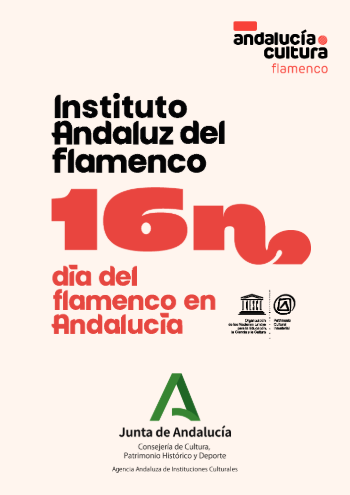
Día del Flamenco en Andalucía
Ciclo AIEnRuta Flamencos 2027 - Inscripciones
Tablao Flamenco 1911 - Madrid
Cardamomo - Tablao Flamenco Madrid
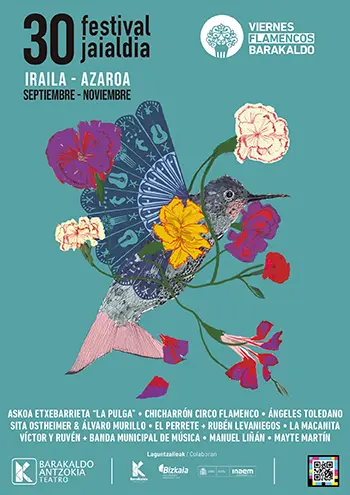
Viernes flamencos Teatro Barakaldo
La Cueva de Lola - tablao flamenco
Taberna El Cortijo - tablao flamenco
Tablao flamenco La Carmela - Madrid
Tablao las Carboneras - Madrid
Tablao de la Villa - Madrid
Centro Cultural Flamenco de Madrid
Teatro Flamenco Torero - Essential flamenco
Tablao Flamenco Cordobes - Barcelona
El Duende, tablao flamenco Barcelona by Cordobes
Las Tablas Flamenco Madrid

Más vistos

  • «Jaleos»: Isaki Lacuesta cuenta la historia más desconocida del flamenco

    2493 shares
    Share 997 Tweet 623
  • Tomatito presenta los Nuevos Territorios del toque flamenco en la Sala Berlanga

    2553 shares
    Share 1021 Tweet 638
  • Yerai Cortés gana el Latin Grammy al Mejor Álbum de Música Flamenca con POPULAR

    2480 shares
    Share 992 Tweet 620
  • Rito: Perrate, entre la peluquería y el cante, en el nuevo documental de Emilio Belmonte

    2473 shares
    Share 989 Tweet 618
  • José Mercé y Vicente Amigo vuelven a encontrarse en «Agujitas»

    2472 shares
    Share 989 Tweet 618
cds de flamenco

José Torres Vicente publica «Una guitarra situada», tercer volumen de Flamenco de Cuartito

Tras Cantaoras y Lo que (no) sonó*, el guitarrista ilicitano dedica esta entrega a la guitarra y a los contextos ...

cds de flamenco

David Bastidas presenta Coplatrónica, la copla reconstruida desde la música electrónica

El cantaor granadino publica el 6 de noviembre un álbum de ocho coplas con Pasión Vega y Niño de Elche ...

Manuel de la Luz - disco De Raíz
cds de flamenco

Manuel de la Luz estrena en la Bienal de Sevilla «De Raíz», su nuevo disco junto a Manuel Imán

El guitarrista onubense Manuel de la Luz presentó el pasado domingo 20 de septiembre, en estreno mundial, su nuevo álbum ...

cds de flamenco

Alicia Morales recupera el legado de El Mochuelo en su tercer álbum de cante jondo

Hay trabajos discográficos que no aspiran a la novedad sino a la recuperación: traer al presente lo que el tiempo ...

Ibérica - Chico Pérez & Sergio de Lope
cds de flamenco

«Ibérica» – Chico Pérez & Sergio de Lope

Ibérica es el nuevo disco del pianista Chico Pérez y del flautista y saxofonista Sergio de Lope, dos artistas que ...

Nuestro Twitter - Síguenos

Recomendamos

Vie - Sáb, 13 - 14 Nov 2026

Tomatito – Nuevos Territorios – Sala Berlanga

Lun, 16 Nov 2026

Paula Comitre «Bien vale un Imperio»

Esmeralda Rancapino - Círculo Flamenco de Madrid
Jue, 19 Nov 2026

Esmeralda Rancapino – Círculo Flamenco de Madrid

Lun, 23 Nov 2026

Flamencos. El corazón por testigo: gala solidaria en el Auditorio Marcelino Camacho

¡No hay eventos!
Instagram Youtube Facebook Twitter Pinterest Telegram

Aviso Legal / Política de Privacidad / Uso de Cookies
Condiciones de Uso y Normas de Publicación de Anuncios Clasificados

¡Atención! SUSCRIPCIÓN COMPLETA a través de Wordpress.com
Introduce tu correo electrónico y recibirás un email por cada entrada que publiquemos.


Newsletter (envío boletín mensual con Mailchimp)


¿Quiénes somos?
Soporte, publicidad y patrocinio

Mi Cuenta

© 2024 Deflamenco.com - ADN Flamenco Web Services S.L.

Welcome Back!

Login to your account below

Forgotten Password?

Retrieve your password

Please enter your username or email address to reset your password.

Log In
No Result
View All Result
  • REVISTA
    • Noticias de Flamenco
    • Reseñas
    • Entrevistas
    • Especiales
    • Festival de Jerez
    • Opinión
    • De tablao en tablao
    • Moda flamenca
    • Más flamenco
  • AGENDA
    • Flamenco en Madrid
    • Flamenco en Barcelona
    • Flamenco en Andalucía
      • Flamenco en Sevilla
      • Flamenco en Jerez & Cádiz
      • Flamenco en Málaga
      • Flamenco en Córdoba
      • Flamenco en Jaén
      • Flamenco en Huelva
      • Flamenco en Almería
      • Flamenco en Granada
    • Flamenco en España (resto)
      • Flamenco en Aragón
      • Flamenco en Asturias
      • Flamenco en Baleares
      • Flamenco en Canarias
      • Flamenco en Cantabria
      • Flamenco en Castilla la Mancha
      • Flamenco en Castilla-León
      • Flamenco en Ceuta / Melilla
      • Flamenco en Extremadura
      • Flamenco en Galicia
      • Flamenco en La Rioja (Logroño)
      • Flamenco en Murcia
      • Flamenco en Pamplona
      • Flamenco en el País Vasco
      • Flamenco en Valencia
    • Flamenco en Europa
      • Flamenco en Francia
      • Flamenco en Alemania
      • Flamenco en Países Bajos & Bélgica
      • Flamenco en Italia
      • Flamenco en Reino Unido
      • Flamenco en Portugal
      • Flamenco en Suiza
      • Flamenco en Resto de Europa
    • Flamenco en América
      • Flamenco en Canadá
      • Flamenco en Estados Unidos
      • Flamencos en México / Centro América
      • Flamenco en América del Sur
    • Flamenco en el Mundo
      • Flamenco en África
      • Flamenco en Australia
      • Flamenco en Japón & Asia
    • Flamencos EN GIRA
  • CURSOS
    • Cursos Flamenco online
    • Calendario Cursos de Flamenco (general)
    • Cursos Flamenco en Sevilla
    • Cursos de Flamenco en Jerez & Cádiz
    • Cursos Flamenco en Madrid
    • Cursos flamenco en Barcelona
    • Cursos Flamenco en Málaga
  • ARTISTAS
    • Cantaores & cantaoras
    • Guitarristas
    • Bailaores & bailaoras
    • Otros/Grupos
    • Compañias
    • Espectáculos
    • Management
  • MEDIA
    • Twitch – Flamenco live
    • Fotografías
    • Videos
  • GUÍA DE FLAMENCO
    • Escuelas y estudios de Flamenco
    • Tablaos flamencos
    • Teatros, Salas de Concierto
    • Peñas de Flamenco
    • Bares Flamencos, restaurantes
    • Moda Flamenca, complementos
    • Tiendas de Flamenco
    • Guitarrerias, luthiers
  • CATÁLOGO
    • Cds de flamenco
    • Libros de flamenco
    • Dvds de flamenco
    • Vinilos de Flamenco
  • Tablaos
    • Noticias
    • Madrid
      • Donde ver buen flamenco
      • Cardamomo
      • Tablao Flamenco 1911
      • Tablao flamenco La Carmela
      • Tablao Flamenco Torero
      • Tablao Las Carboneras
      • Tablao de la Villa
      • Las Tablas Flamenco Madrid
      • Centro Cultural Flamenco de Madrid
      • La Cueva de Lola
      • Taberna Flamenca El Cortijo
      • Café Ziryab
      • Corral de la Moreria
    • Barcelona
      • Tablao Flamenco Cordobes
      • El Duende by Tablao Cordobes
    • Granada
    • Sevilla
  • [ENGLISH]
    • News
    • Show Reviews
    • Interviews
    • Special Reports
    • Flamenco Shows in Madrid
      • Cardamomo Flamenco Madrid
      • Tablao 1911
      • Centro Cultural Flamenco de Madrid
      • Tablao Flamenco Torero
      • Las Tablas Flamenco Madrid
      • Corral de la Moreria
      • Café Ziryab
    • Flamenco Shows in Barcelona
      • Tablao Flamenco Cordobes
      • El Duende by Tablao Cordobes
    • Special Festival de Jerez
    • Flamenco fashion
    • More flamenco
    • Opinion
    • My Flamenco Year
  • Publicidad
  • –

© 2024 Deflamenco.com - ADN Flamenco Web Services S.L.

Utilizamos cookies para asegurar que damos la mejor experiencia al usuario y obtener estadísticas en nuestro sitio web. Si continúa utilizando este sitio asumiremos que está de acuerdo. Más info: