HOME - Deflamenco.com   search
17th May 2012
map shopping cart help


BERNARDA Y SU GENTE

Teatro Central, Seville. Tuesday, February 17th, 2004. 9:00pm

Cante: Bernarda de Utrera, Inés de Utrera, Miguel el Funi, Mari Peña. Dance: Carmen Ledesma. Guitar: Antonio Moya, Antonio Carrasco. Chorus and palmas: José Vargas, Luis Suárez.

No one need wonder what the surname is...Jiménez Peña, of Utrera, sister of Fernanda and flamenco singer with an unmistakable Utrera style of singing. “Su gente” (her people) were those of her family and town, and from Lebrija, the people who have always shared her flamenco and personal experiences, even since before the two young sisters first appeared in the film “Duente y Misterio del Flamenco” a half century ago.

If flamenco is currently enjoying a worldwide boom which is growing exponentially and shows no signs of letting up, it’s been some time since we’ve heard from this flamenco town par excellence. Why does it seem that the world is getting bigger while Utrera sings and breathes and unfolds in get-togethers and family fiestas where cante is not a product but a fundamental part of life? Why do we continue to dream that “cualquier diíta menos pensao” (‘any day now’, from a famous verse of soleá) our beloved Fernanda will once again sing?

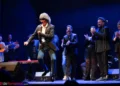
These are the questions that were hanging in the air the night of February 17th when doña Bernarda and her people appeared on stage without fanfare, artistic airs or fancy wardrobe, with all the naturalness of a group of friends and family coming together to have a good time. The intent is admirable, no question about it. These days we are force-fed and saturated with lavishly funded grand theatrical works, press conferences and producers. “Be careful what you wish for because it might come true” instructs the old line. For years we flamenco-lovers bemoaned and condemned the lack of world recognition, of economic support and of a dignified place within the world of music. Now the universal nature of flamenco is becoming a reality, but the most legitimate representatives of the art that triggered this revolution, the ‘guardians’ if you will, are where they have always been, at the bottom of the food chain.

But the performers must assume some of the blame. The stage of Seville’s Teatro Central is not a gypsy baptism, not matter how determined the artists are to communicate that experience which they know and love so well, and it is with deep regret we report that the show came across as disorganized, in a way that was on the one hand endearing and sincere, but on the other, theatrically disastrous, with a devil-may-care attitude that was out of place in this precise venue. The real fiesta may have taken place after the show, we don’t know, but what ensued on stage lacked form and inspiration.

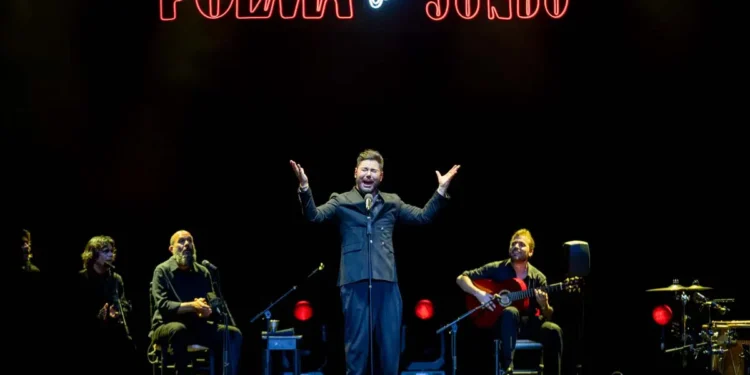
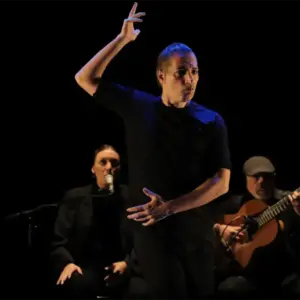
Miguel el Funi,
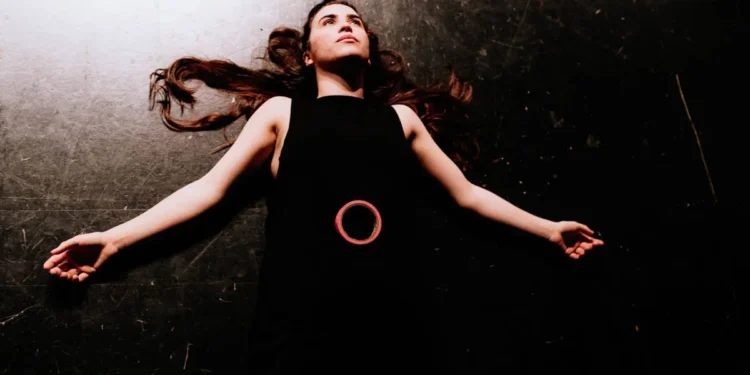
Carmen Ledesma

The Utrera addiction to popular songs ‘por bulerías’

Bernarda started out with soleá, a cante she always says she can’t sing, preferring to leave the honor for her sister, but moving everyone present with her power and presence all the same. Then the clear sensitive voice with a fine edge of young Mari Peña who sang tientos and tangos including those of el Titi de Triana in the style of Perrate. With attractive contrasts of cutting highs and lows, and no pyrotechnics, she turned what some consider a lesser cante into something important, as is customary in Utrera singers.

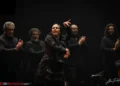
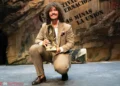
Inés de Utrera with her bulerías songs and seductive stylized voice reveled in the Utrera addiction to popular songs done ‘por bulerías’. Compás and personality that ellicted heartfelt ‘oles’ from the audience. Miguel Funi, a singer and dancer from Lebrija, announced “I’m going to sing a little siguiriyas to change the mood a bit”. But siguiriyas when you aren’t in just the right mind-set is not too easily disguised, and he was unable to find the groove despite ending with the beautiful “Dices que duermes sola” verse, and two splendid guitars, those of Antonio Moya and Antonio Carrasco. Funi is right at home in bulerías and that’s really all he needs to show his stuff. Sublime elegance in his delightful minimalist dance, but even so, it didn’t quite come together.

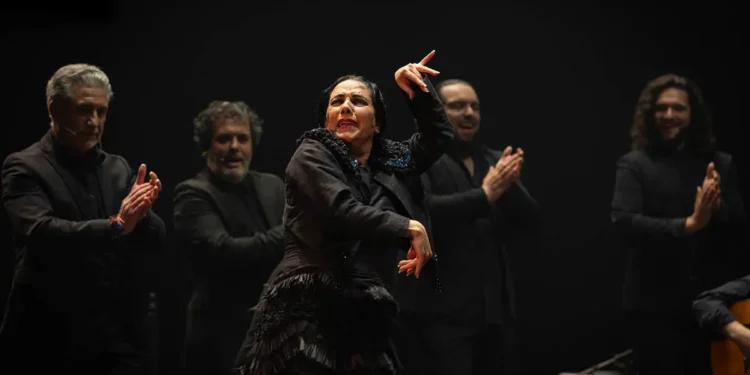
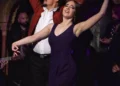
Dancer Carmen Ledesma with the cantes of Pinini in the voice of Mari Peña offered her exquisite, carefully measured dance, but the general artistic malaise had infected her as well and we began to accept the disappointment. Bernarda returned with fandango por soleá which is so cultivated in Utrera...the absolute negation of saccharine sweetness thanks to Utrera compás and the singer’s good taste. Without bowing or hardly taking a breath, she asked for bulería rhythm and delivered a mining cante to fiesta rhythm, some traditional short styles and pieces of popular song including her famous ‘María de las Mercedes’ and ‘Callarse por un momento’. All this led to a brief fiesta finale and frankly, we’ve got no complaints because we saw some great artists at work. But Utrera’s day is yet to come.


Ines de Utrera - Bernarda

Texto y fotos: Estela Zatania


Store in Madrid
c/ Moratín, 6
28014 Madrid
+34 912987045
Contact - Advertising - Subscribe
deflamenco en tu email
pago seguro. Tienda on-line flamenco
 
© 2003 Tintes Flamencos S. L. Todos los derechos reservados - CIF - B83546655.
Included in the Official Registry of mail-order businesses (NEVA) 2003/0337/13/28/4/V